
Written by Kitty Luo
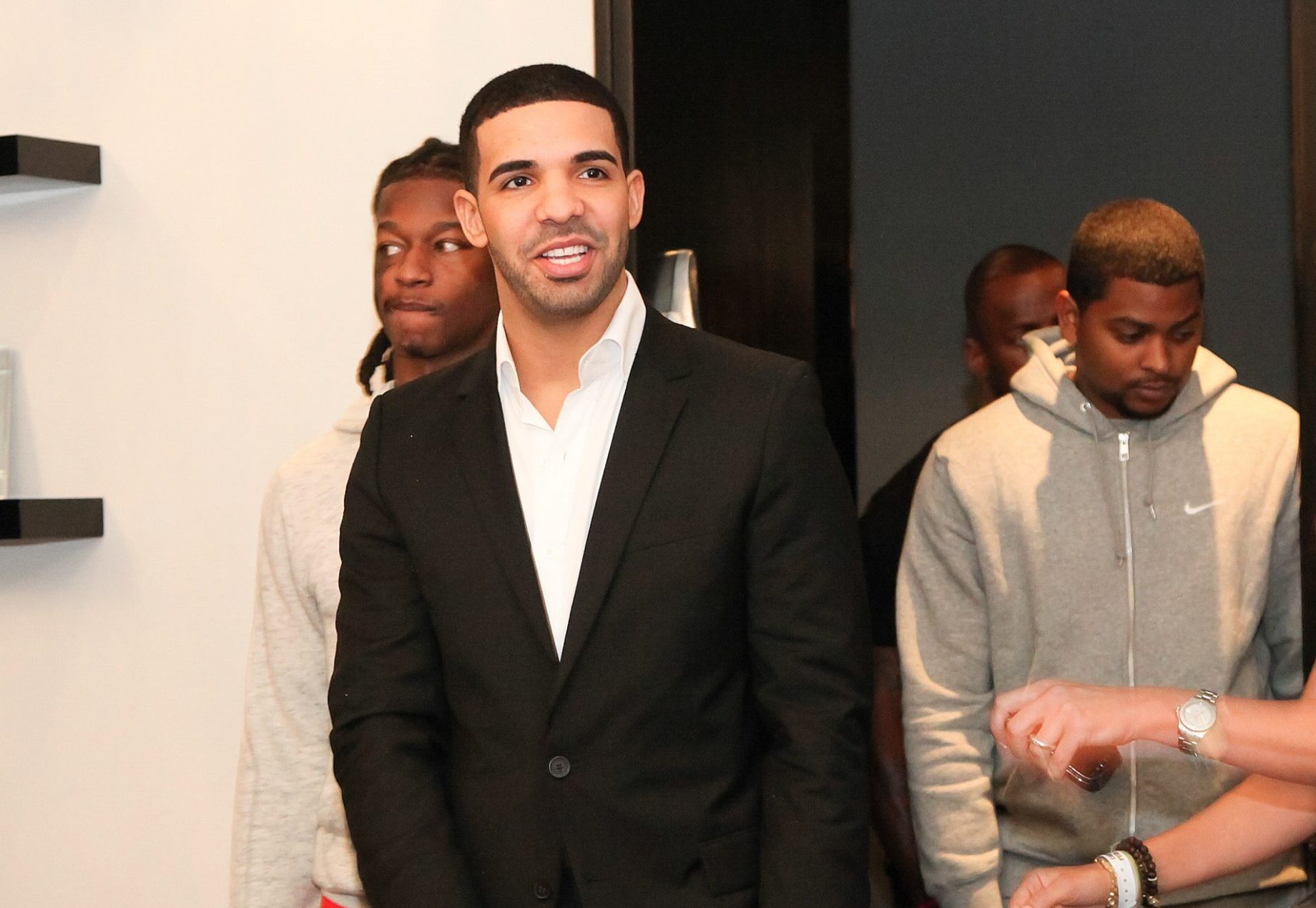
Users of Stake.us (“Stake”), an online “sweepstakes casino,” recently brought a class action against the gambling site and its celebrity promoters—singer Drake and internet personality Adin Ross—alleging racketeering and consumer protection violations. This action represents more than a routine celebrity endorsement case; it reflects a broader shift in celebrity liability for endorsing financial products and platforms in a digital age where the act of promotion itself is intertwined with the service’s underlying financial architecture. The litigation highlights how platform design may influence the scope of legal responsibility, especially where promotional activity becomes structurally tied to the platform’s internal movements of value.
Stake is a “social casino” or “sweepstakes casino”—an online platform that offers casino-style games through a hybrid free-to-play model. Users can gamble with virtual “Gold Coins,” which are nominally valueless. At the same time, the platform also issues a second currency, “Stake Cash,” which can be redeemed for cryptocurrency or digital gift cards at a one-to-one rate with the U.S. dollar.
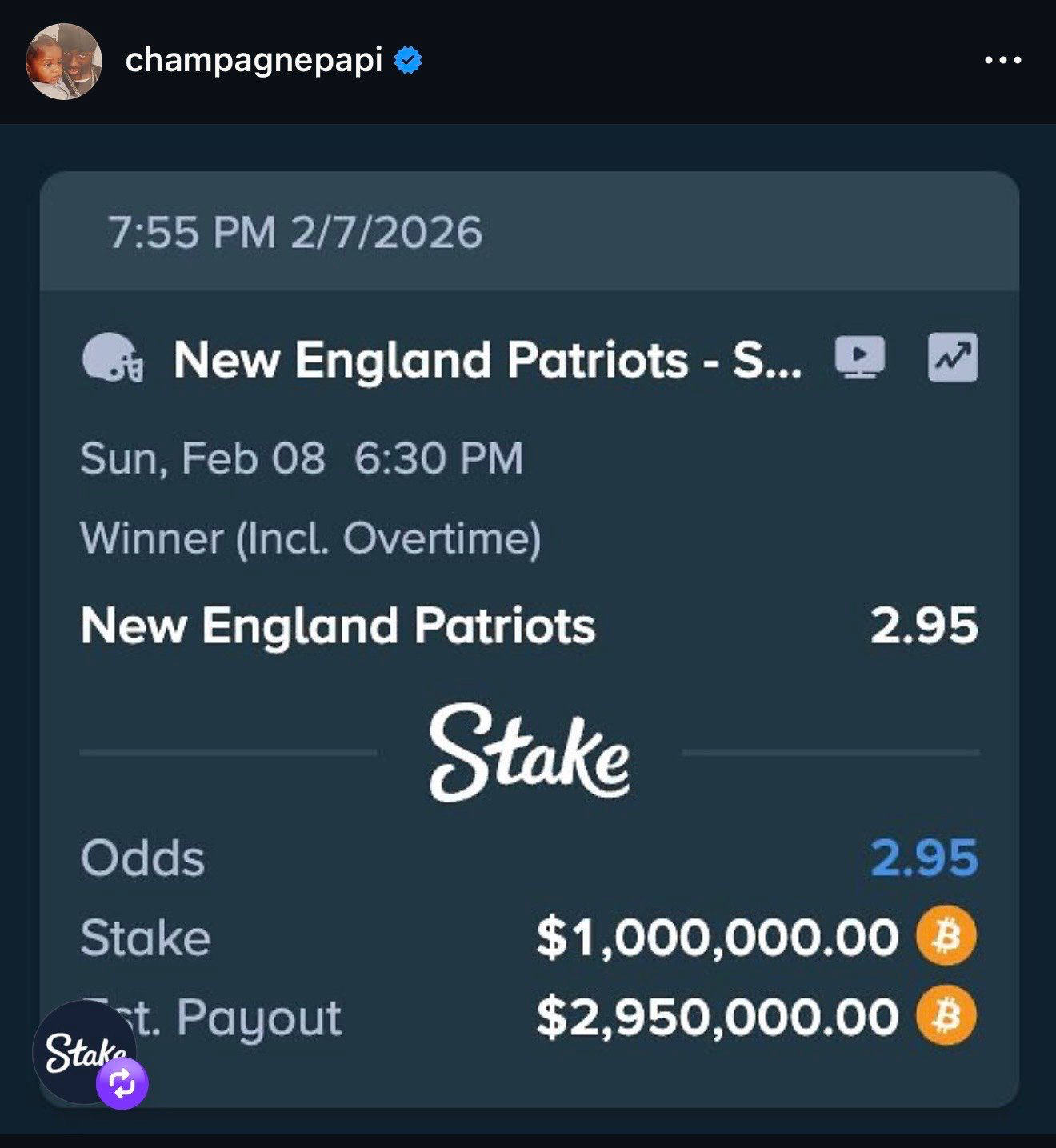
“Sweepstakes casinos” operate under the argument that they are not covered by state gambling laws because their games do not technically require a direct cash wager to participate. Stake’s marketing campaign has included promotions from celebrities Drake and Ross through gambling live-streams and social media.
Plaintiffs brought the action in the Eastern District of Virginia, seeking damages under the Racketeer Influenced and Corrupt Organizations Act (RICO) and the Virginia Consumer Protection Act (VCPA), including treble damages, restitution, and injunctive relief. Wielding RICO in a civil context such as this allows for treble damages and provides a broader theory of liability based on a narrative of a coordinated scheme. Plaintiffs allege that Stake’s dual currency model effectively allows users to wager and cash out real money, allowing the platform to functionally operate as an illegal online gambling platform in violation of federal and Virginia law.
The complaint asserts that Stake, Drake, and Ross made misleading statements “deceiv[ing] consumers into believing that they are participating in harmless gameplay, when in fact, they are being lured into real money gambling.” The claim further alleges that such deceptive advertising and marketing practices have caused substantial consumer harm, including financial losses and an increased risk of gambling addiction.
Central to the complaint is Stake’s “tipping” feature. The “tipping” system allows users to transfer Stake credits or currency to other users or streamers, often during livestream gambling sessions. Plaintiffs argue that this system is functionally facilitating cash wagering and payouts while disguising these transactions as social interactions. The lawsuit alleges that Drake and Ross used Stake’s “tipping” mechanism to transfer millions of dollars between themselves, which were allegedly then used to pay for bot farms, or automated software programs and devices that generate streams, to artificially inflate Drake’s performance on music platforms.
This action is only one of an expanding slew of class actions against Stake and other social casinos. Separate suits have also been filed against Stake in Illinois, California, and Missouri. The American Gaming Association and state regulators have recently called for stricter enforcement against social casinos, citing risks to consumers and the integrity of gaming markets.
Assessing Plaintiffs’ claims in the Virginia action depends first on understanding how courts have distinguished service providers such as promoters from directors or operators of a criminal enterprise under the racketeering statute. The theory of liability presented in this case may signal a possible expansion of RICO standards, particularly where the architecture of a digital platform itself becomes central to the alleged racketeering conduct. Finally, there is the question of whether Stake is effectively operating as an unregulated money transmitter and the legal consequences that may follow—specifically, the money laundering and regulatory implications that arise if Stake’s tipping and currency systems are treated as financial transfer mechanisms rather than the pure entertainment it frames itself as.
Directors or promoters?
The success of this class action hinges on whether Drake and Ross are characterized as mere promoters for Stake or as directors—that is, functional participants—in the enterprise itself. Plaintiffs’ theory suggests that the celebrities’ use of Stake’s dual-currency structure and internal tipping mechanism shifted their conduct from advertising into the realm of operational involvement. This is a critical difference under RICO, which sets a high bar for distinguishing between those who perform services for an enterprise and those who actually direct or operate it. The following analysis considers how courts have drawn this line in assessing whether Drake and Ross’s alleged coordination, fund transfers, and use of Stake’s internal systems suffice to transform celebrity sponsorship into enterprise participation.
Examining the case law for operational control reveals that Plaintiffs likely face an uphill battle in establishing RICO claims against Drake and Ross. In Reves v. Ernst & Young, the Supreme Court established that liability under §1962(c) of RICO requires the defendant to participate in the “operation or management” of the enterprise itself. Merely providing services, such as celebrity endorsements, to the enterprise without directing its affairs may not constitute sufficient management to establish liability. Defendants will therefore likely focus on framing their roles as strictly paid endorsers and independent contractors rather than “operators” or “managers” of Stake’s business. It is also arguable that by “tipping” and redeeming their “Stake Cash”, Drake and Ross were not racketeering, but merely using features that were provided by the platform.
Their conduct may satisfy the Reves standard for directing enterprise affairs if Plaintiffs are able to show that the celebrities coordinated with Stake on marketing and promotional campaigns, such as the strategy, timing, or targeting of endorsements. Plaintiffs will likely highlight the use of Stake Cash and tipping features as participation in Stake’s payment infrastructure beyond mere advertising. If the influencers knowingly helped create artificial traffic or engagement, that might also be framed as helping operate the fraud mechanism itself.
Courts have held that marketing and professional services relationships with the enterprise do not satisfy Reves. For example, the Seventh Circuit held in Crichton v. Golden Rule Insurance Company that, without more, a marketing relationship with the enterprise does not satisfy the “directing or conducting” requirement under RICO. In Walter v. Drayson, the Ninth Circuit wrote that “[s]imply performing services for the enterprise does not rise to the level of direction, whether one is ‘inside’ or ‘outside’” the enterprise. Drake’s and Ross’s use of bot farms, failure to disclose that they were playing with house money, and coordination of streams and internal transfers may all still be framed as services to the enterprise, which would be difficult, without more, for meeting the “directing” standard.
In Boyle v. United States, the Supreme Court rejected the argument that a RICO enterprise must be a formal structural hierarchy. A group of loosely organized individuals associated can constitute an “association-in-fact” enterprise, even with little to no formal structure, provided they act together with a common purpose and have the ability to function as a “continuing unit.” Defendants may argue that sponsor-influencer relationships are ordinary business and that there was neither shared criminal purpose nor a structural relationship beyond the endorsement contracts. However, Plaintiffs can point to Drake, Ross, and Stake’s shared goals to promote the platform and to drive revenue and user gambling, as well as their ongoing promotional campaigns and sponsorship agreements. With the underlying coordinated conduct, shared goals, and ongoing marketing relationship described in the Complaint, the pleading may very well survive Boyle.
Expansion of RICO standards
Plaintiffs’ theory in this case reflects an effort to possibly expand the liability theory underlying the traditional model of deceptive celebrity endorsement. Comparing past structures of celebrity sponsorship with Defendants’ active participation in Stake’s transaction system in this case can help provide a lens into how this action tests the boundaries of liability under the Reves and Boyle standards.
The traditional model for celebrity endorsement liability focused on endorsement transparency, namely disclosure of the nature, source, and amount of payment behind celebrity investment endorsements. For example, Kim Kardashian recently settled with the Securities and Exchange Commission for $1.26 million as a result of her failure to disclose she was being paid to promote EthereumMax, a cryptocurrency token often branded as “culture token” for its lifestyle benefits. In this case, however, the Complaint alleges that Drake and Ross used Stake’s internal tipping and Stake Cash systems as a private unregulated money transmission system to fund their music botting. Plaintiffs claim these methods were sufficient to constitute “participation in the conduct of the enterprise’s affairs” under RICO, 18 U.S.C. § 1962(c).
The claims in this action challenge the traditional structure of deceptive-endorsement liability while holding the potential to expand RICO. The statute requires showing that the endorsers were part of the “operation of management” of the enterprise. In this case, a new and expanding form of architectural liability appears to emerge where the very design of the platform’s financial tools constitutes the “nexus” required for RICO enterprise liability. For celebrities who promote financial products, it is increasingly questionable whether using the product or platform to transact satisfies the “conduct or participation” element under RICO, especially where their conduct becomes structurally inseparable from the platform’s own regulatory framework.
Money Laundering Implications
Not only do Defendant’s use of Stake’s financial tools blur the line between promotion and operational control, but those same tools could also independently trigger federal money laundering concerns. First, Drake’s alleged use of Stake’s internal fund-transferring tools to fund artificial streaming activity could qualify as a predicate act for money laundering. Furthermore, Stake’s value-transfer features can subject the platform to regulation as a money services business that is required to comply with federal anti-money laundering and Know Your Customer obligations.
Defendants’ alleged funding of music bots represents a possible new landscape for the range of underlying offenses that may trigger money laundering violations in the context of digital stream manipulation. To be criminally liable for money laundering under 18 U.S.C. § 1956 and § 1957, a defendant must conduct a financial transaction involving proceeds or property derived from “specified unlawful activity” (SUA). Acts that may constitute an SUA are defined and listed in the money laundering statute, which include specified federal and foreign offenses such as drug trafficking, fraud, and bribery. The list also includes various forms of wire fraud and “theft of honest services.” It is unclear whether artificial boosting of streams may classify as a racketeering activity or SUA based on an underlying “theft” of royalties from legitimate artists. Can the transmission of funds derived from defrauding streaming platforms through Stake’s internal architecture constitute money laundering under 18 U.S.C. § 1956?
This possible expansion of predicate acts for money laundering also brings into question whether a regulatory framework for anti-money laundering controls should apply to Stake. An entity is a “Money services business” (MSB) if it is “engaged in the transfer of funds” or “provides money transmission services,” which is defined as the acceptance of “currency, funds, or other value that substitutes for currency” and the transmission of that value to another location or person. MSBs are subject to the Bank Secrecy Act’s (BSA) requirement to implement a “Risk-Based Anti-Money Laundering Program.” Stake’s tipping feature and Stake Cash currency certainly resemble money transmission tools. Accordingly, it is arguable that Stake must be regulated as an MSB and may be currently operating as an unlicensed money transmitter. The platform’s failure to perform Know Your Customer (KYC) obligations on users with high-volume and high-value transactions such as Drake and Ross could violate the BSA. By embedding a value-transfer system within an entertainment platform, Stake effectively evades regulatory transparency requirements by framing its financial architecture as a “game” or part of its “social” or “entertainment” platform.
Conclusion
Through its dissection of Stake’s internal architecture and promoter relationships, the Stake litigation illustrates how the design of modern digital platforms can blur the legal distinctions between entertainment, advertising, and financial infrastructure, and in doing so, reshapes the boundary between celebrity endorsement and operational involvement. This action tests the limits of existing legal and regulatory frameworks around both online social platforms and celebrity endorsement liability, particularly when promoting digital platforms that also serve as mechanisms for moving value. Following this case’s development may provide a forecast into whether courts will respond to the shifting digital financial landscape by expanding liability doctrines.
This case additionally suggests an emerging framework for digital social platforms beyond just online social casinos. The questions around regulating Stake also raise implications for how federal money laundering statutes and regulatory regimes should apply to other digital platforms that embed value-transfer systems within entertainment structures. Similar concepts may be applied to streaming platforms such as Twitch, where subscriptions and virtual currency transfer systems may be used as unregulated financial exchange systems for money laundering. While the future of Stake is uncertain, what is apparent is that regulations and state laws around gaming and money services businesses need to be updated in the face of a rapidly evolving landscape for digital social platforms.
