

McFarlin: Ray Rice Video Shows that Cameras Should Do the Talking
In both tragedies of domestic violence and alleged police brutality, the victim can be silenced. Cameras can’t.
In both tragedies of domestic violence and alleged police brutality, the victim can be silenced. Cameras can’t.

By the very nature of their positions, celebrities in both the sports and entertainment spheres generate significant public attention and discussion.

On April 12, 2013, The Veronica Mars Movie project broke fund raising records, with 91,585 backers pledging a total of $5,702,153. The catch? The film was funded on the crowdfunding website, Kickstarter.

A few weeks ago, Josh Finkelman sat in the upper decks of MetLife Stadium watching the Seattle Seahawks defeat the Denver Broncos in Super Bowl XLVIII. The price for those nosebleed seats? $4,000 for two tickets.

The trajectory of Macklemore and Ryan Lewis (“Macklemore”) is where the complexity of the race in music debate begins.

Richard Sherman, star defensive back for the NFL’s Seattle Seahawks, has received severe public criticism for his comments in the immediate aftermath of his team’s victory over the San Francisco 49ers in the NFC Championship Game this past Sunday.

In a whistleblower suit brought by a former athletic director, a New Jersey Appellate court recently held that a basketball coach’s disclosure to the NCAA of an email to the university’s counsel did not waive the university’s attorney-client privilege. See Hedden v. Kean University, No. A-4999-12T2 (N.J. App. Div. Oct. 24, 2013). Back in 2010,

There is no question as to why the University of Michigan or the University of Alabama would pay an Appalachian State University or a University of Buffalo to come to their stadium and play a good ol’ game of football – another win, more profits, and no “home and home.”[1] But what incentives does this
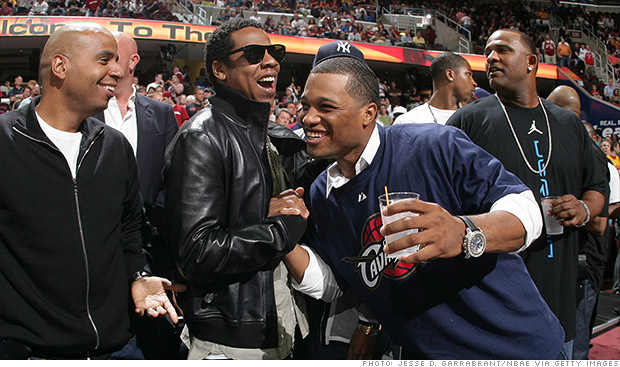
Shawn Carter, popularly known as Jay-Z, is considered one of the greatest hip-hop artists of all time, having won seventeen Grammy Awards and placed three albums on Rolling Stone’s list of the 500 greatest albums of all time. [1] He is also a man of tremendous business acumen, with a net worth of almost $500
Editor’s Note: While this blog is normally dedicated to analyzing legal issues in the field of sports and entertainment, this post departs from that to spotlight some excellent work done by 1Ls at Harvard Law School. At HLS in fall 2012, the eighty students in Section Six participated in an experimental group project in their
Last month, the NFL Competition Committee passed another rule restricting the use of helmets as a point of contact during games. The decision was met with a customary (read: excessive) amount of vitriol by fans and players. Many fans seem to think that the NFL is irrationally rushing to protect players out of a fear