
-
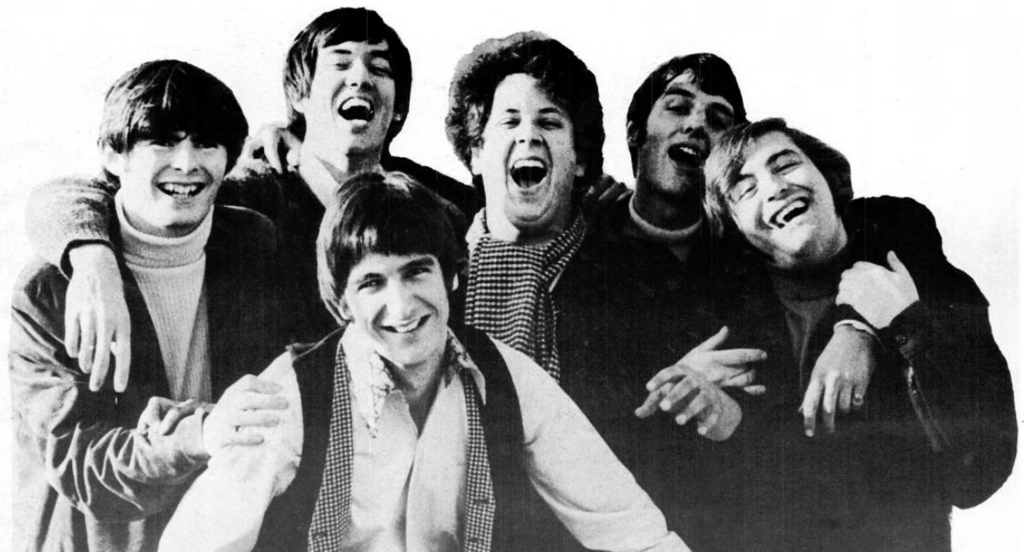
New Copyright Ruling for Pre-1972 Sound Recordings
On Monday, the California district court found SiriusXM liable for its failure to pay royalties to 1960s band, the Turtles (best known for their hit, “Happy Together”). The law suit, which began in 2013, centers on pre-1972 sound recordings. As a digital music service, SiriusXM must pay royalties to music publishers and master recording copyright holders when transmitting a song; whereas non-digital stations only must pay music publishers. However, U.S. copyright law did not provide protection for sound recordings until 1972. Previously, these recordings only obtained protection under state law. Therefore, SiriusXM claims that it should not have to pay royalties […]
-

NCAA, O’Bannon Seek Expedited Hearing
This summer was abuzz with concerns about the viability of the current understanding of a student-athlete. It began with the Northwestern football’s team appeal to the National Labor Relation Board to unionize. It later culminated when, in a landmark decision, District Court Judge Claudia Wilken found for a class headed by former college basketball player Ed O’Bannon in a lawsuit against the National Collegiate Athletic Association (NCAA). Judge Wilken held that the NCAA’s limits on what benefits major college basketball and football players can receive constitute an unreasonable restraint on trade in violation of antitrust laws. The ruling would place a permanent […]
-

Celebrity Photo Leak and Prior Restraints
In light of the nude photos of celebrities, such as Jennifer Lawrence and Kate Upton, leaked last month, there is much discussion regarding an individual’s right to privacy. In the photo leak case, legal action can be taken against the original hacker; but what about subsequent uses of these photos? An artist in Florida had plans to display “unaltered and uncensored copies” of the photos. This expression would be permissible under the First Amendment, which prohibits prior restraints (speech or other forms of expression cannot be censored before it has taken place). This effectively lets a subsequent publisher use material that […]