
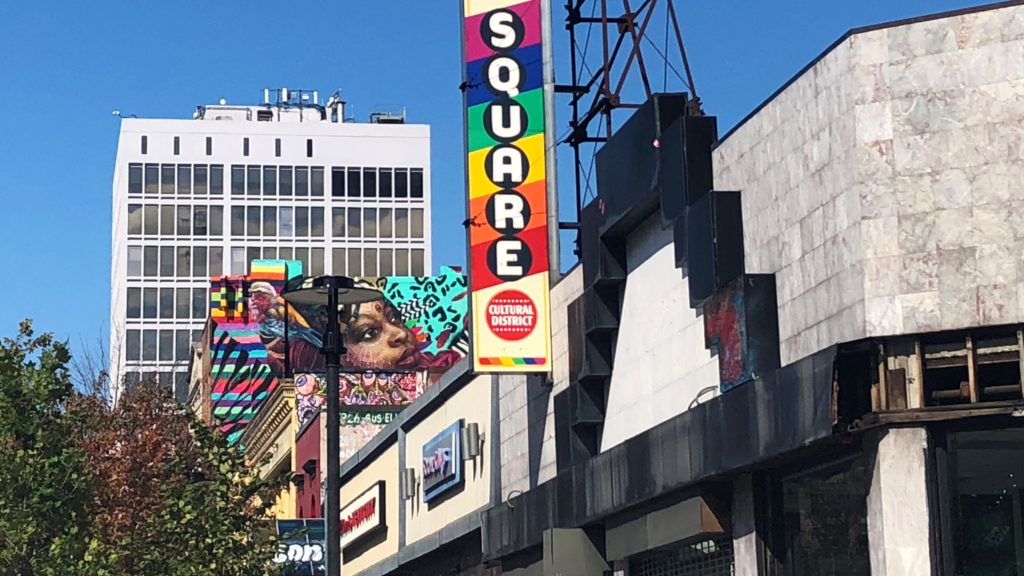
THE CASE AGAINST CENTRAL SQUARE’S BUSINESS IMPROVEMENT DISTRICT
Just a few months ago, Cambridge City Council approved the creation of a business improvement district in the area around
Just a few months ago, Cambridge City Council approved the creation of a business improvement district in the area around
Access to justice efforts should think beyond procedural tweaks making procedures fairer and should instead focus on reforms that focus directly on helping litigants resolve the underlying socioeconomic problem that motivates them to come to court.
The civil rights and civil liberties of poorer individuals may be at increased risk as they have few options for legal representation. If those of us that participate in clinics and student practice organizations take their representation seriously – which, I would posit, we must – then we must ensure that our representation is as vigorous as possible.
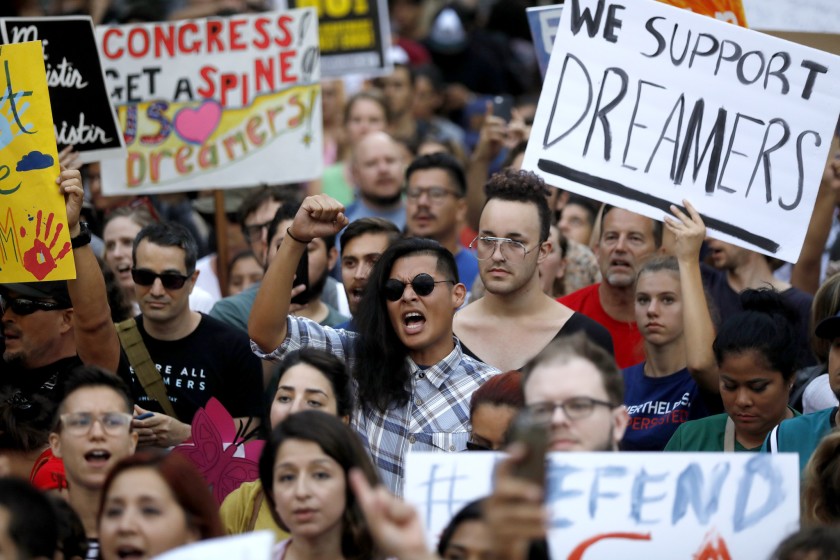
Photo Credit: Gary Coronado/Los Angeles Times Written by Annie Forestiere & Annie Wilt This Week in Civil Rights and Civil

Connecticut is one of close to forty states that utilizes prison gerrymandering in its state legislative districting: the practice of

Since 2000, more than one thousand people in the U.S. have died shortly after being stunned with a Taser by

Facial recognition technology is progressing faster than our laws can keep up. Unregulated, these technologies represent a threat to our privacy rights and civil liberties.
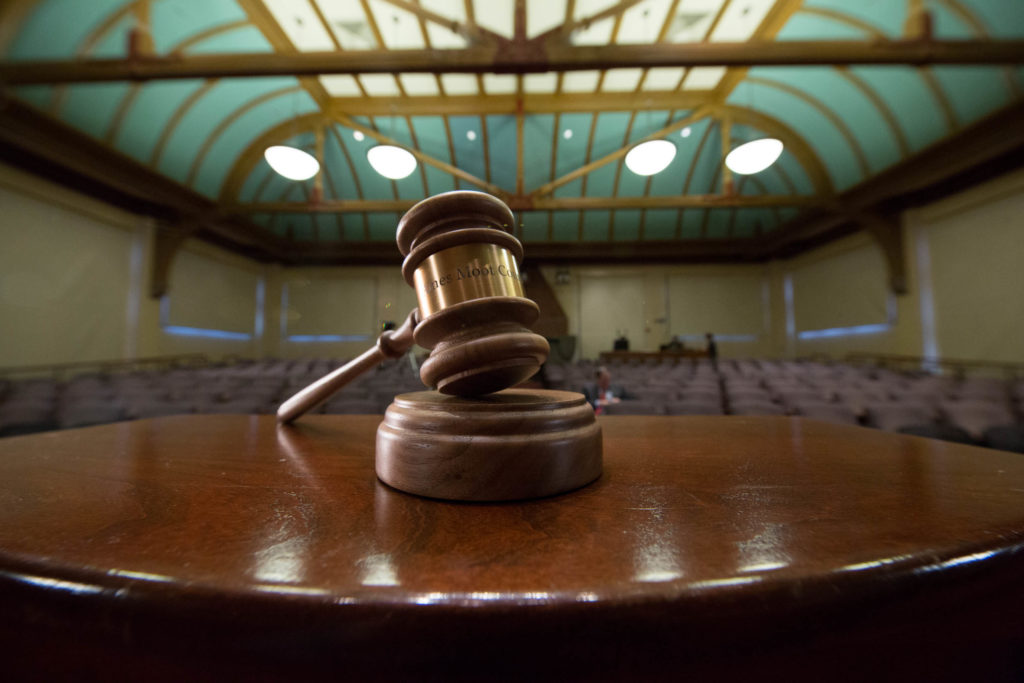
Welcome to the 2019 Ames Final, live from Austin Hall in Cambridge, Massachusetts! Live coverage begins at 7:30pm. The following

Civil rights lawyers recently sent a demand letter to the University of California stating that they will sue unless the
This week, a federal judge invalidated a Trump Administration policy that would have limited the availability of abortion services, and nearly 500 incarcerated people in Oklahoma were released from prison. Also, following elections in several states including Kentucky and Virginia, several candidates were elected who had campaigned on platforms related to civil rights.
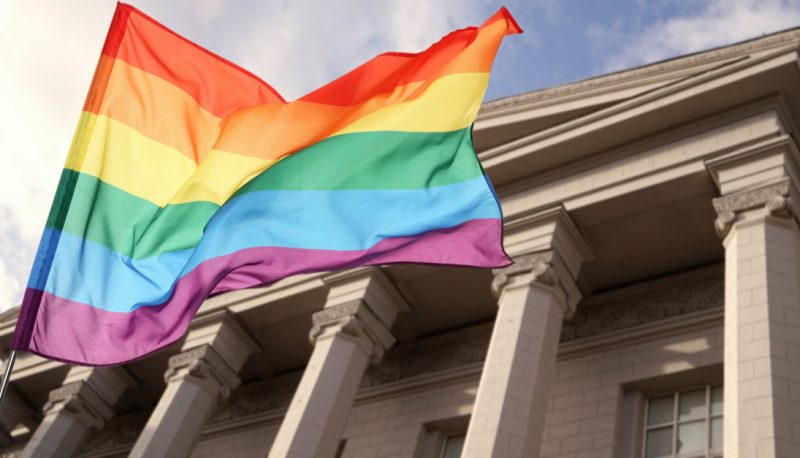
On October 8th, the Supreme Court heard oral arguments for three cases, Bockstock v. Clayton County, Georgia, Altitude Express v. Zarda, and R.G. & G.R. Harris Funeral Homes Inc. v. Equal Employment Opportunity Commission, each of which asks whether Title VII of the Civil Rights Act of 1964, which forbids employement discrimination “because of . . . sex” encompasses discrimination based on an individual’s sexual orientation or gender identity. All three cases pit the text of Title VII against the intentions of its drafters, who all parties agree, did not specifically intend to protect LGBT individuals.