

Inadequate Redress and the No-Fly List
Last July, the Ninth Circuit in Latif v. Holder held that the district courts have original jurisdiction over claims that
Last July, the Ninth Circuit in Latif v. Holder held that the district courts have original jurisdiction over claims that
Guest post by Theresa Borden HLS ’14 On February 19, Professor Lawrence Lessig presented a lecture titled” Aaron’s Laws: Law
“Aaron’s Laws: Law and Justice in a Digital Age” Feb. 19, 2013 Watch the lecture here: http://www.youtube.com/watch?v=9HAw1i4gOU4&feature=youtu.be. PLEASE
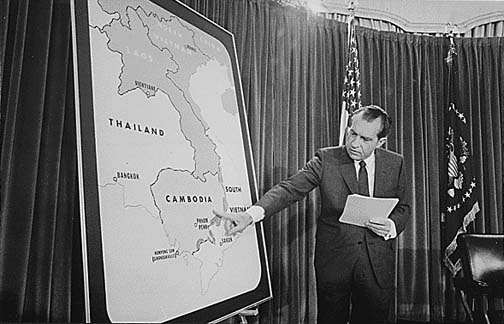
We know that Obama has largely continued the drone policies of the Bush administration. Even so, the approving nod to Nixon’s expansion of the Vietnam War across Southeast Asia is an unexpected development.

The watchers on the walls defending rights and liberties are often lawyers, yet those lawyers must ascend to their posts themselves, their legal training preparing them little for the climb. Law schools must do more.

This week, the Justice Department settled two lawsuits against defendants charged with discriminatory housing practices. The Justice Department announced Wednesday

The watchdogs of liberty must diversify their business. Private products and private services have come to dominate our lives, to induce our dependence and to encircle our worlds. If we sleep or look elsewhere, the circle may become a noose.

It is entirely appropriate that we focus on data privacy in the context of sex scandals, and this points to something crucially important for privacy activists. The combination of concern about sexual autonomy and about technologically-enabled surveillance has been a crucial driver in privacy law.

“We can help,” the America of today says, “we can heal your sick and feed your hungry. But only if you acquiesce to our methods and accept less so that we may profit from your misfortune.” That self-serving message in the end doesn’t even serve the self, for a friend stingy in times of need earns little loyalty.
Weather dictated the choice of a date for Election Day in America. The first Tuesday after the first Monday in

With this year’s big affirmative action case, Fisher v. University of Texas, being one of the highlights of the Supreme Court’s current term, it is worth circling back to CRCL’s previous treatment of the issue and reflecting on the moment in the 1990s when Hopwood killed UT’s earlier attempt to use affirmative action to remedy a history of segregation. What can these articles tell us about the issues at stake in Fisher? There seem to be two general lessons.