
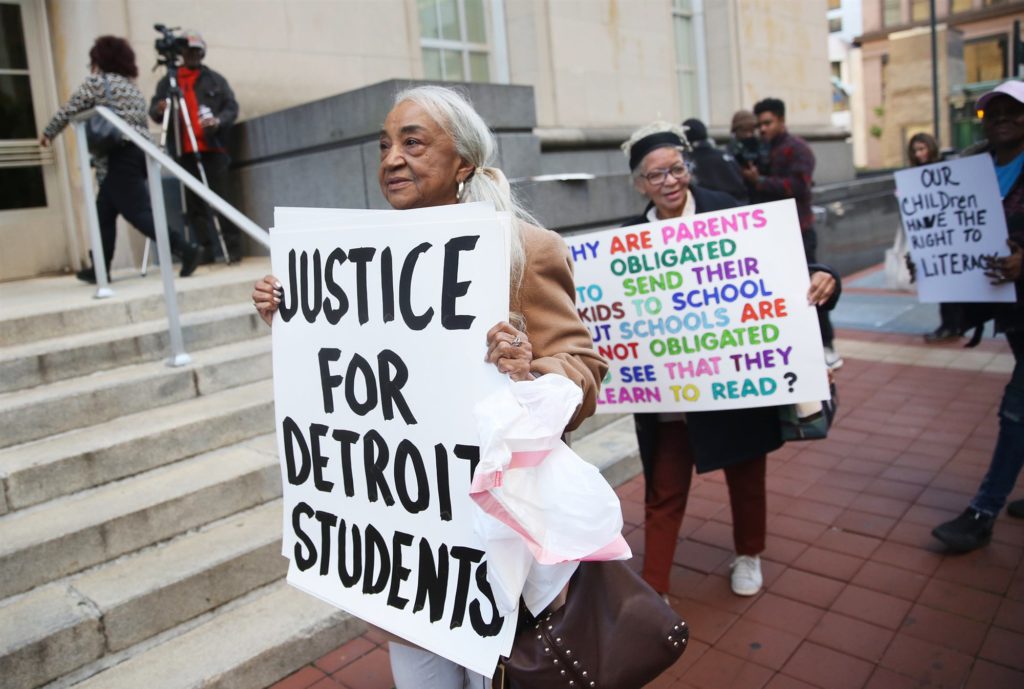
FOR DETROIT AND THE NATION, A CONSTITUTIONAL RIGHT TO AN EDUCATION IS A WORTHWHILE PURSUIT
Photo credit: Leigh Taylor/The Detroit News Earlier this month, the Sixth Circuit heard oral arguments for a case filed by […]
Photo credit: Leigh Taylor/The Detroit News Earlier this month, the Sixth Circuit heard oral arguments for a case filed by […]

On October 7th, the Supreme Court began its term with the oral argument for Kahler v. Kansas, a case which asks whether a state violates the Eighth and Fourteenth Amendments if it essentially abolishes the insanity defense. The test for due process is traditionally historical, so both Kahler and Kansas focused their briefs on the question of whether the insanity defense is so deeply rooted in history that its elimination would constitute a violation of due process. At oral argument, a few of the Justices probed the difficulties associated with evaluating historical claims.

This is a guest post by Kari Hong* and Philip L. Torrey.** Many are surprised to learn that crime-based deportations[1]

Religious dietary constraints should not be viewed as an additional or optional financial inconvenience for state correctional departments, but must be understood as a necessary consequence of our country’s zealous insistence on mass incarceration. Departments of Correction should resist the urge to implement policies that they know will actively discourage adherents of minority faiths from free exercise. To do so is to fly in the face of our Founders’ recognition that religion is an intrinsic part of the human experience and essential to equality in a democratic society.
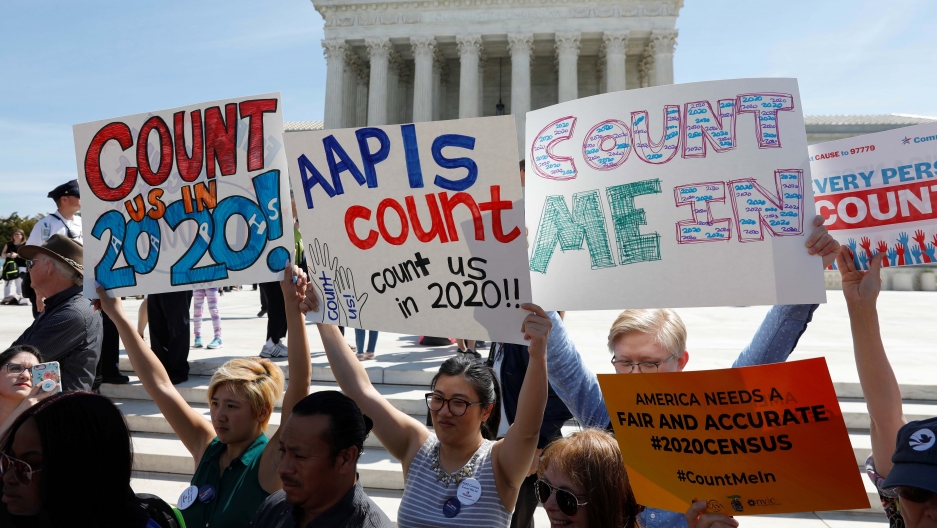
In late April 2019, the Supreme Court heard oral argument for the Department of Commerce v. New York, 139 S.Ct. 1316 (2019), a case which asks whether the Secretary of Commerce’s decision to add a question to the Decennial Census about responders’ citizenship status violated the Enumeration Clause of the U.S. Constitution, art.I, §2, cl.3? [1] The last time the census inquired about citizenship was in 1950. The question asks “Is this person a citizen of the United States?” If you answer “yes,” the question then asks for more details about where you were born and whether your parents were born in the United States.
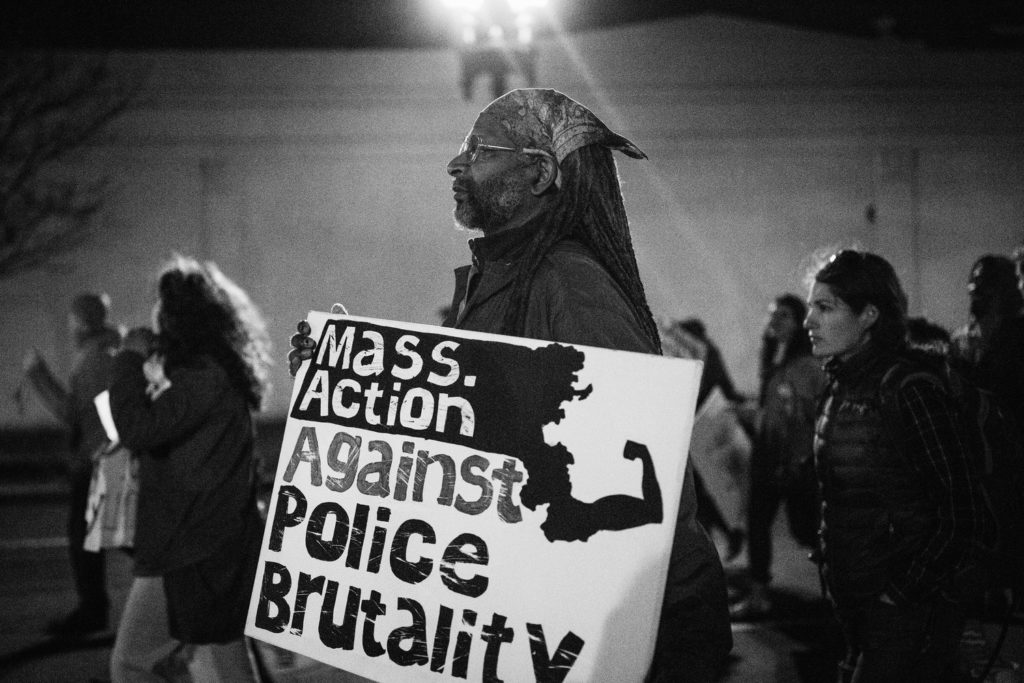
As police officers continue to shoot and kill unarmed civilians, we must examine the disparity between police brutality and police accountability. Too many officers kill unarmed Black people with little to no consequences. One barrier to accountability is gathering witnesses, as witnesses are required to present themselves for trial to testify against accused officers.

Welcome to CR-CL’s Live Blog of the Ames Moot Court Semi-Finals! Please scroll down for the live blog. We’ll start

“In the absence of the governmental checks and balances… the only effective restraint upon executive policy and power… may be
Guest Post by Julius Mitchell For generations, the incarcerated have utilized prison strikes to protest everything from harsh sentencing to
The 2018 midterms saw the passage in several states of Marsy’s Law: a law that elevates the “rights” of victims

In 2015, The Supreme Court handed down a 5-4 decision in Texas Department of Housing and Community Affairs v. Inclusive