Amicus, Courts & Judicial Interpretation, Criminal Justice, Policing and Law Enforcement, Racial Justice

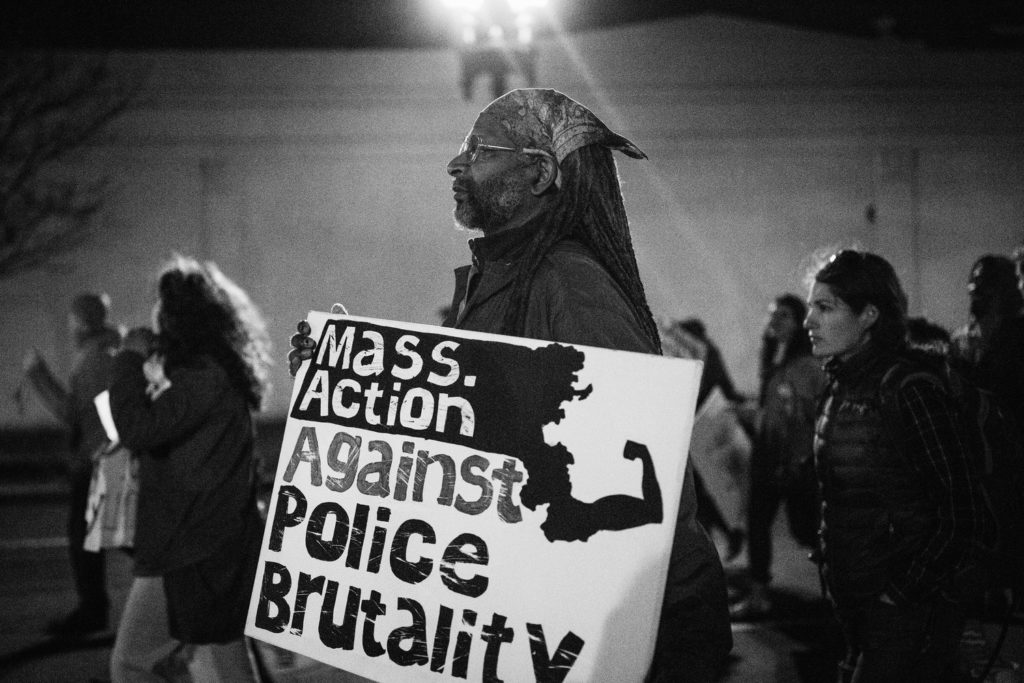
Where the Confrontation Clause Gets it Wrong: Police Brutality Cases

As police officers continue to shoot and kill unarmed civilians, we must examine the disparity between police brutality and police accountability. Too many officers kill unarmed Black people with little to no consequences. One barrier to accountability is gathering witnesses, as witnesses are required to present themselves for trial to testify against accused officers.

Amicus, Uncategorized

Corporate Criminal Responsibility: Banning Criminal Corporations from Lobbying Should Be Investigator’s #1 Tool

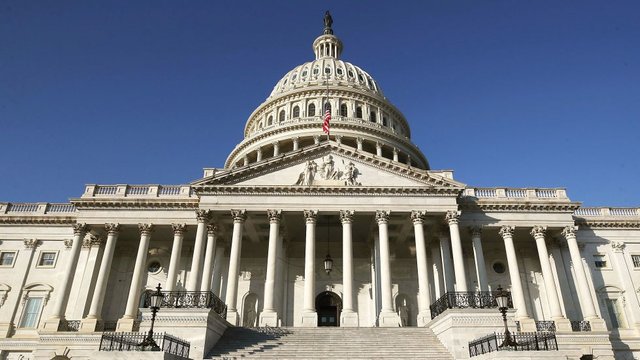
If there is a problem with corporate power undermining regulation and fomenting corruption, lawmakers should consider temporary incapacitation of the corporation’s political spending or lobbying activities. This practical tool addresses a corporation’s ability to skirt rules and regulations through artful use of their financial resources.

Amicus, Guest Author, Human Rights, Immigration, Policing and Law Enforcement

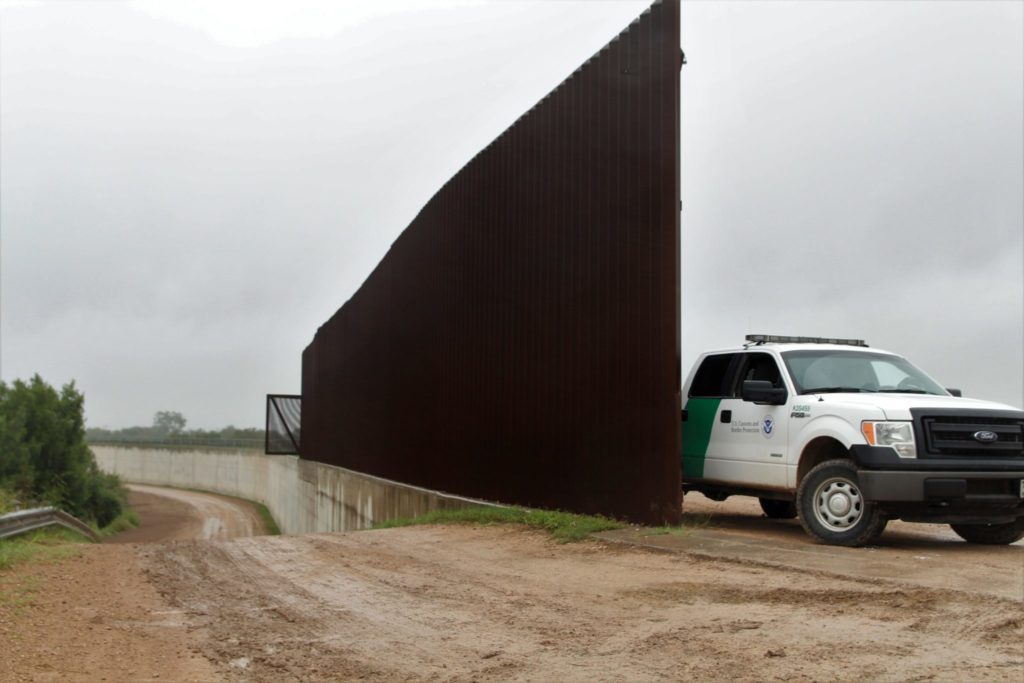
Abuse of Power by ICE and CBP: Perspective from an Immigration Attorney and Water Drop Volunteer

Guest post by Kirsten Zittlau. Ms. Zittlau is an immigration attorney living in San Diego, California. She has volunteered dropping water in the California desert near the Mexico border for over two and half years. Ms. Zittlau has been an attorney since 2002 but made the switch to immigration law last year in order to advocate for immigrants and fight against the abuses of power by the current administration.

Amicus, Criminal Justice, Guest Author, Human Rights, Immigration

Criminalizing Humanitarian Aid

Guest post by Justine Orlovsky-Schnitzler. Justine is the Media Coordinator for No More Deaths/No Más Muertes, a humanitarian organization in Southern Arizona. 

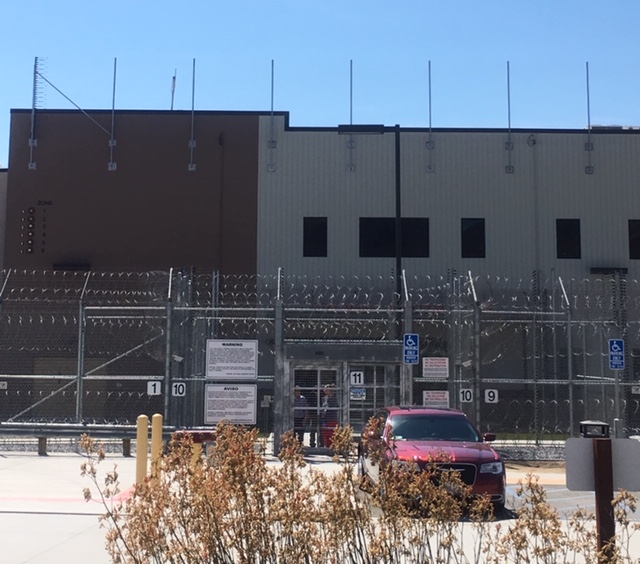
The volunteers’ trial was not predicated on the prosecution proving guilt—our volunteers proudly hiked lifesaving supplies into the Cabeza Prieta Wilderness in August of 2017. This case was based on deeper questions of morality in the law, as federal immigration policy does not account for the reality of lives being lost along our border.   

Scroll to Top