
March 10: Weekly News Roundup
The last week has had several civil rights updates on several different fronts: “Senate Democrats help block Obama nominee for […]
The last week has had several civil rights updates on several different fronts: “Senate Democrats help block Obama nominee for […]
This week, the Supreme Court issued its ruling in Fernandez v. California, 12-7822. The fact pattern is simple enough. The
Welcome to the first weekly CRCL news roundup. Each week, a contributor to the CRCL blog will pick out a

Today, the internet was abuzz with the news of President Obama commuting the sentences of eight convicted criminals. Their crimes?
CR-CL’s Unofficial Study Playlist It’s the most wonderful time of the year. No, I don’t mean Thanksgiving. It’s time for
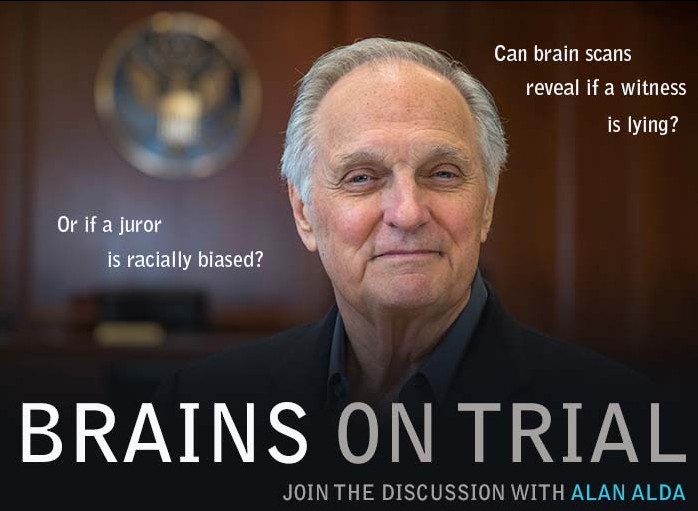
Last week, Alan Alda stopped by the McGovern Institute for Brain Research at MIT to promote his newest PBS documentary,
IN DOUBT: THE PSYCHOLOGY OF THE CRIMINAL JUSTICE PROCESS. By Dan Simon. Cambridge, Mass.: Harvard University Press. 2012. Pp. 405.

Even if the bombings and the shootings and yesterday’s regional lockdown have been occupying the national (and even international) media, it is important to work through some of the legal implications of these events.
Guest Post by Jacob Alderdice, HLS ’14 Harvard PLAP Panel on Solitary Confinement Solitary confinement, a practice that has
“Aaron’s Laws: Law and Justice in a Digital Age” Feb. 19, 2013 Watch the lecture here: http://www.youtube.com/watch?v=9HAw1i4gOU4&feature=youtu.be. PLEASE
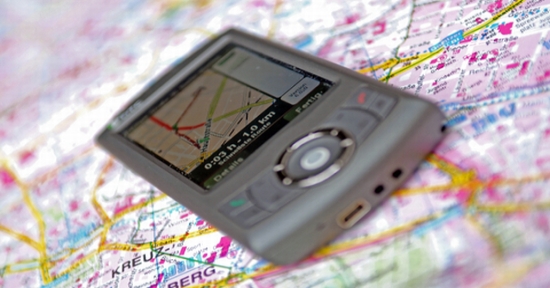
Reviving the trespassory model of the Fourth Amendment, the Court in U.S. v. Jones has raised more questions about data privacy than it answered. If the mere existence and transmission of data can signal a lack of a reasonable expectation of privacy, the only way to demonstrate a subjective interest in privacy will be to go off the grid. There has to be a better way.