

The Imaginary Attorney
To reverse a conviction or capital sentence based on ineffective assistance of counsel, a defendant must meet the two-prong […]
To reverse a conviction or capital sentence based on ineffective assistance of counsel, a defendant must meet the two-prong […]

Guest post by Professor Carrie Leonetti.* Professor Leonetti is a professor of criminal and constitutional law at the University of

Ahmad Bright was sixteen years old when he was involved in the shooting death of 19-year-old Corey Davis in 2006.[1]

While the “Trump Bump”—the notable growth of the stock market since the election—has impacted numerous sectors of the economy, one industry
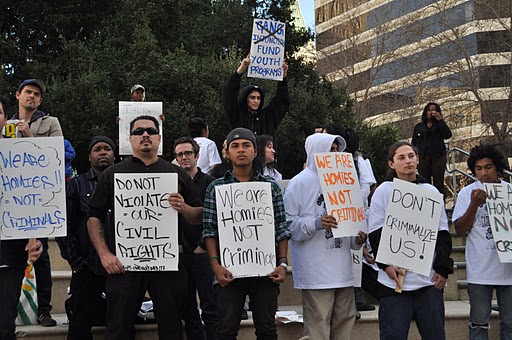
INTRODUCTION In its efforts to combat crime committed by street gangs—a societal ill that unquestionably warrants tough measures—California has pursued

The recent Supreme Court case, Moore v. Texas, illustrates how constitutional rights may be influenced by scientific and technological advancements. Other legal areas, such as the use of polygraphs, capital punishment, and forensics, also reveal the complicated framework between science and civil rights.

While outrage over President Trump’s stance on immigration enforcement proliferates on social media, the new administration’s policies have also led
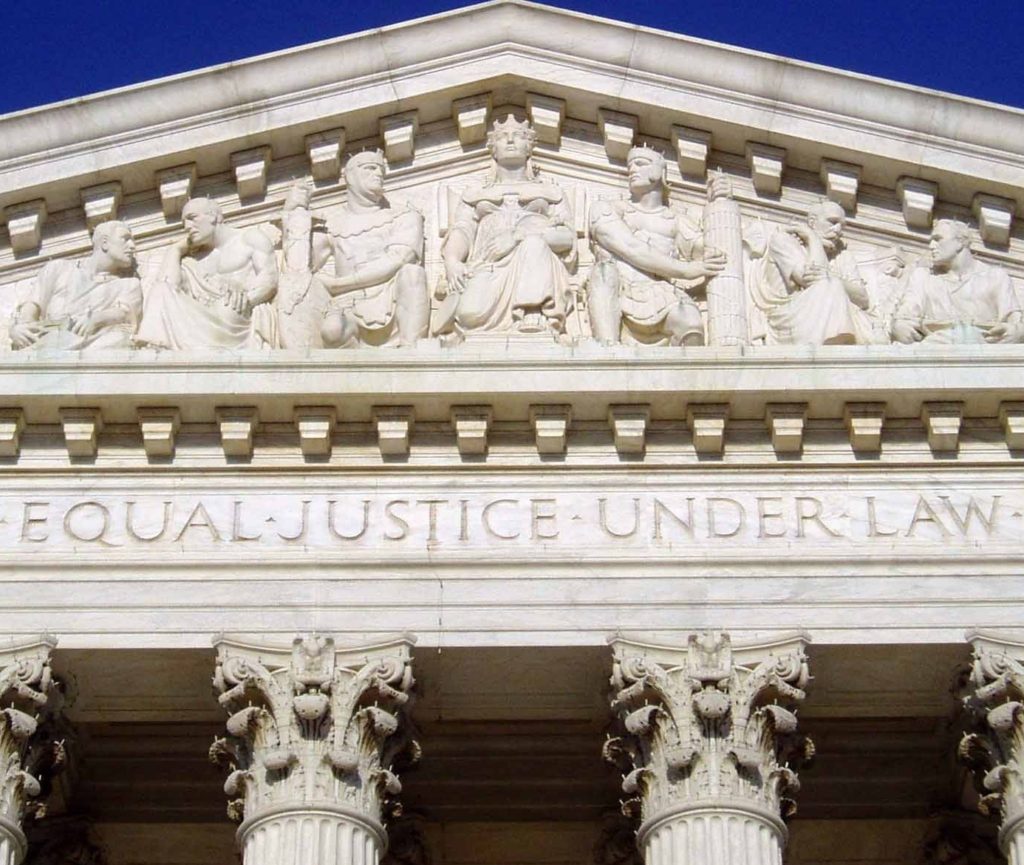
In 1984, Catherine Fuller, a Washington D.C. mother of six, was walking to the pharmacy when she was abducted from

A few weeks ago, I wrote about ineffective assistance of counsel and plea-bargaining in the context of the upcoming

In 2009, Jae Lee–a legal resident but not an American citizen– was charged with possession of ecstasy with intent to distribute. The evidence against Lee was staggering, and his lawyer incorrectly promised that a plea deal would not put him in danger of deportation. The plea deal reduced Lee’s prison time from a 24-30 month range to a year and one day. Possession of ecstasy with intent to distribute, however, is an aggravated felony. Thus, Lee’s plea also mandated “deportation and permanent exile from the United States.”
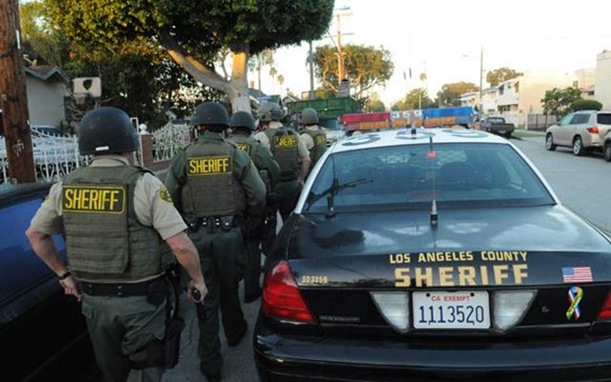
This term, the U.S. Supreme Court will decide whether the judicially created “provocation rule” comports with the Court’s precedents.[1] The