Amicus, Congress, Environmental Justice, Executive Branch, National Security, Poverty and Economic Justice, Voting and Elections Rights

What Can Jonathan Turley’s Gross Misfire Teach Us About the Trump Administration?

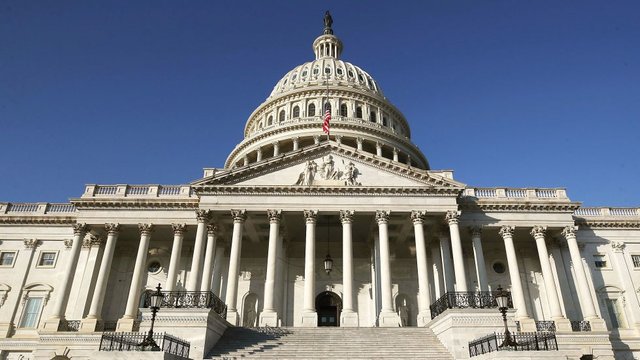
Turley’s article appears to be an attempt to provide cover for an administration that was delayed and hapless in response to a crisis. Turley’s misfire should call our attention to a new conservative tactic – using a crisis that they have thus-far mismanaged to undermine the American people’s confidence in the federal government.

Amicus, Housing, Poverty and Economic Justice

Unhoused People’s Right To Public Bathrooms

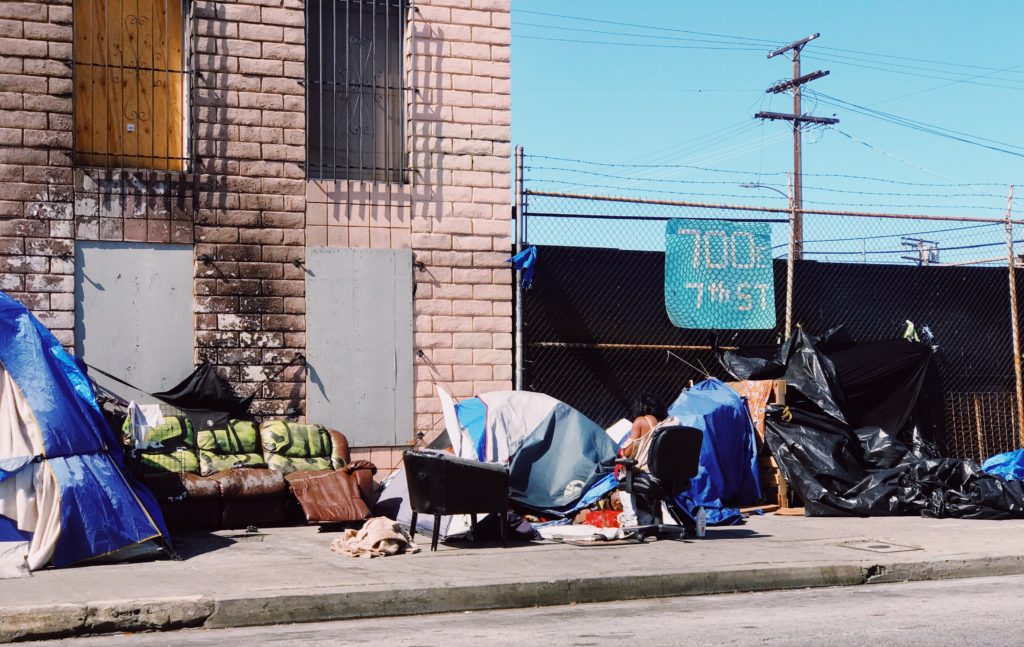
The COVID-19 pandemic has brought renewed attention to unhoused people’s lack of access to sanitary living conditions. The extreme dearth of shelter beds and public restrooms across the country means that unhoused people, despite being particularly vulnerable to the effects of the outbreak, have little means by which to protect themselves.

Amicus

Springer Spaniels, Civil Liberties, and the Fourth Amendment

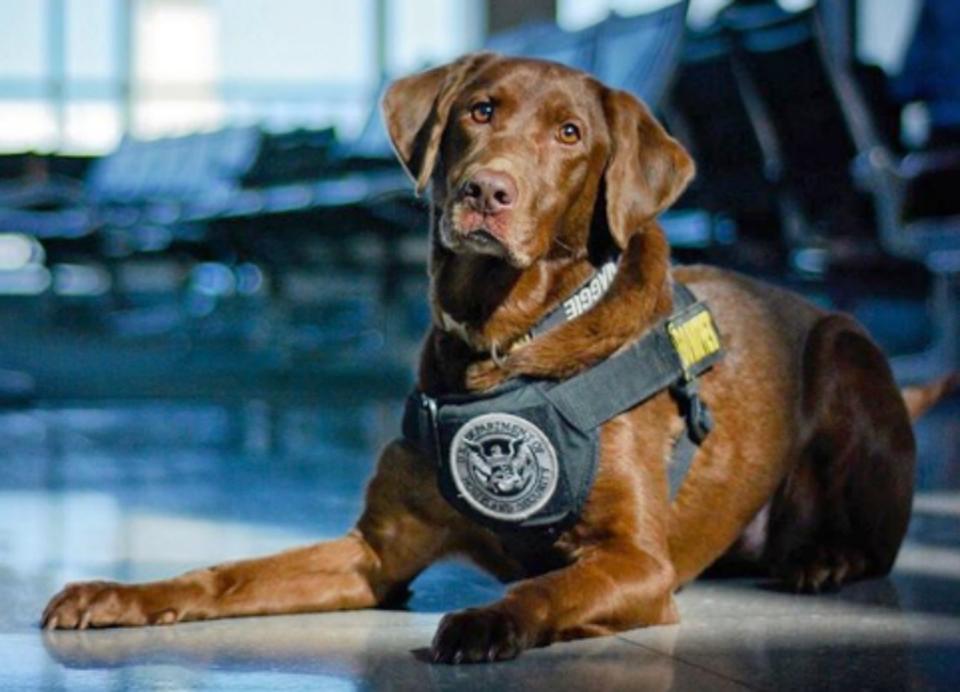
In 2018, the TSA implemented a “cute dog” policy: it would employ only cute looking dogs at airports. This seemingly innocuous policy offers a vivid example of how government can shape and collapse our right to privacy. Now is a crucial moment for the development of privacy law. It is worth understanding and thinking carefully about the tradeoffs between convenience and privacy that we are willing to accept.

Amicus

Use the Rules of Criminal Procedure to Limit Prosecutors’ Power

Criminal procedure plays a large role in creating an imbalance of power between prosecutors and defendants. Changing the rules can help make the plea bargaining (and trial) process less unfair by forcing prosecutors to choose what they want to charge more carefully.

Scroll to Top