

Roe May Be the First Domino to Fall in the Series of Fundamental Rights
Photo Credit: AP The Supreme Court heard oral arguments on Dec. 1 in a case that legal observers predict will […]
Photo Credit: AP The Supreme Court heard oral arguments on Dec. 1 in a case that legal observers predict will […]

Carceral pretrial approaches lack evidence of effectiveness—in fact, research identifies that commonplace strategies such as money bail, detention, and even mandatory drug testing hamper pretrial success. In addition, these strategies are racially discriminatory while also contributing to harmful collateral consequences for individuals and communities. As jurisdictions across the country are beginning to confront these findings and explore alternatives, the pretrial space offers a unique opportunity for abolitionist transformations.
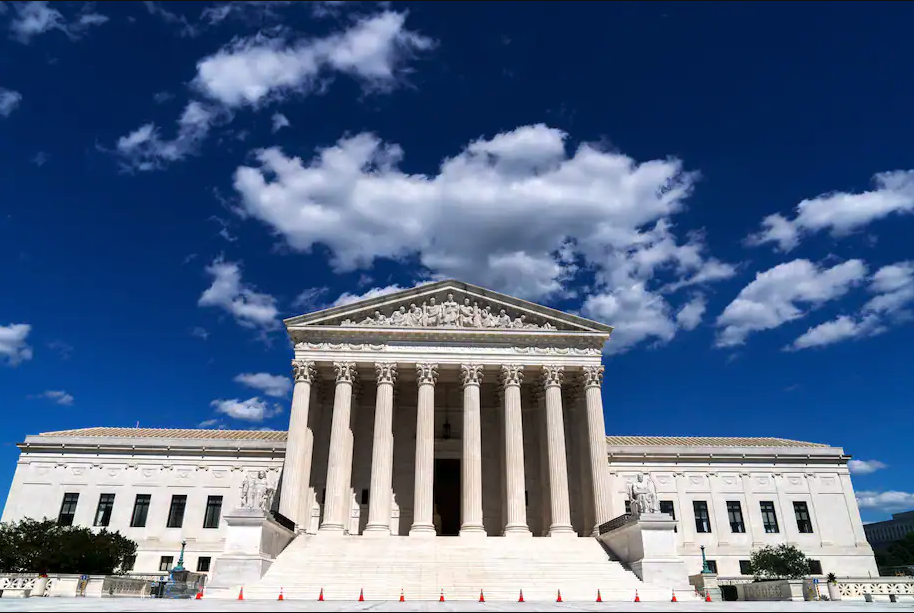
The Supreme Court on Thursday weighed in on the continuing tension between religious freedom and LGBT equality in Fulton v.

In June of this year in its Bostock v. Clayton County decision, the Supreme Court held for the first time

The message of our federal and state governments failing to protect (and sometimes actively harming) Black trans women is terrifying: if the government doesn’t care about Black trans women, then citizens don’t have to care either. In other words, because the law treats Black trans women with disregard and violence, it gives individuals a free pass to do the same.

Permitting “reparative therapy” places LGBTQ+ people in danger just for existing, and hinders the progress that the LGBTQ+ community is making toward being accepted in society.

This is a guest post authored by Jennifer Bennett, a Staff Attorney at Public Justice, and David Seligman, Director of

It’s easier to write off each bout of gun violence as a one-time tragedy, and forget about it until then next one, than it is to address the ways that gun violence disproportionately kills women, racial, ethnic and religious minorities, and members of the LGBTQ+ community.
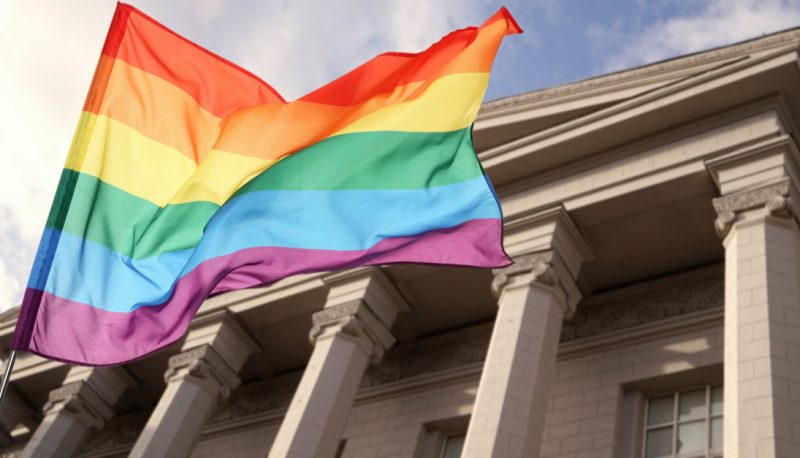
On October 8th, the Supreme Court heard oral arguments for three cases, Bockstock v. Clayton County, Georgia, Altitude Express v. Zarda, and R.G. & G.R. Harris Funeral Homes Inc. v. Equal Employment Opportunity Commission, each of which asks whether Title VII of the Civil Rights Act of 1964, which forbids employement discrimination “because of . . . sex” encompasses discrimination based on an individual’s sexual orientation or gender identity. All three cases pit the text of Title VII against the intentions of its drafters, who all parties agree, did not specifically intend to protect LGBT individuals.

At its core, the LGBTQ+ Panic Defense stands for the idea that LGBTQ+ community members are somehow at fault for violence against them simply because of their gender identity or sexual orientation, and that the lives of LGBTQ+ community members are worth less than the lives of cisgender and heterosexual individuals.

The Trump Administration plans to quietly undo a Department of Health and Human Services (HHS) regulation banning health care providers