
Online Scholarship

HALO x ILJ Collaboration, Online Scholarship

Digital Reproductions and the Safekeeping of Cultural Memory

Editor’s Note: This article is part of a collaboration between the Harvard Art Law Organization and the Harvard International Law Journal.

*Ronald Alcala

In 2021, when the Taliban recaptured control of Afghanistan, a small museum in Kabul quietly shuttered its doors. The museum contained no famous artifacts or works of art, and it had never hosted an exhibition of national or international acclaim. Rather, the Afghanistan Memory Home Museum displayed modest items once owned by ordinary people. It was dedicated to memorializing the lives of war victims by sharing their stories through objects they once owned. Grouped together in “memory boxes,” these items—a school notebook, a pair of sandals, a child’s drawings—were a testament to lives altered or lost as a result of the ongoing violence in Afghanistan.

When the Taliban entered the city, the museum’s organizers hid or sent away all of the museum’s artifacts. Some were hastily buried in volunteers’ yards while others were smuggled abroad for safekeeping. Today, the museum no longer exists in physical form, but it has reemerged online. Visitors can view the museum’s “memory boxes” in a digital gallery along with descriptions of each item and a narrative of the victim’s story. The digitized artifacts have kept the museum’s mission alive in a way that has become increasingly common in contemporary society: through the use of digital reproductions.

This article explores the value of digital reproductions and the significance of protecting them as cultural heritage. The article examines the law’s emphasis on original creations and argues that preferencing original works unduly burdens the aims of cultural heritage preservation. In some cases, digital reproductions can encode cultural memory as effectively as original creations, and the law should avoid biasing the protection of original works when the preservation of a digital copy can achieve the same result. All digital material, whether born digital or created to reproduce a physical object, should be independently evaluated for its cultural heritage value and protected accordingly.

A Preference for Originals

UNESCO’s adoption of the Charter on the Preservation of Digital Heritage in 2003 marked an important milestone in the protection of digital cultural heritage. The charter recognized that recorded knowledge and creative expression were increasingly “produced, distributed, accessed and maintained in digital form,” leading to the creation of a “new legacy—the digital heritage.” Older agreements that did not explicitly address digital works have now also been interpreted in light of emerging digital technologies. Among these is the 1954 Hague Cultural Property Convention, adopted in the aftermath of the Second World War to protect cultural heritage from damage or destruction in future armed conflicts. As interpreted by the international group of experts who produced the Tallinn Manual 2.0 on the International Law Applicable to Cyber Operations, the convention’s requirements to respect and protect cultural property extend to “cultural property that may be affected by cyber operations or that is located in cyberspace.” In particular, parties to an armed conflict “are prohibited from using digital cultural property for military purposes.” 

The protection of digital heritage, however, comes with a significant caveat. Both UNESCO’s Charter on the Preservation of Digital Heritage and the Tallinn Manual 2.0 express a preference for original works—either “born digital” material or a “digital surrogate”—and prioritize their protection over other digital materials. Article 7 of the Charter on the Preservation of Digital Heritage suggests that the main criteria for deciding what digital materials to keep include “their significance and lasting cultural, scientific, evidential or other value.” Article 7 then declares, without further explanation, that “‘[b]orn digital’ materials should clearly be given priority.” The Tallinn Manual 2.0 also preferences original works. Its commentary to Rule 142, which addresses cultural property, explains that the protection of digital cultural property “only applies to digital copies or versions where the original is either inaccessible or has been destroyed, and where the number of digital copies that can be made is limited.”

While a preference for original items may be understandable, this bias is worth reconsidering in an age of digital reproduction. At a time when photography and film were the disruptive reproduction technologies of the day, the German philosopher Walter Benjamin explored the allure of originals in his essay “The Work of Art in the Age of Mechanical Reproduction.” Benjamin explained that originals possessed qualities of “authenticity” and “aura” that could never be recaptured in a copy, even if the copy represents “the most perfect reproduction” of a work. Authenticity and aura were a reflection of a work’s existence in time and space and, therefore, were inapplicable to copies produced. Still, Benjamin questioned the value of authenticity and aura in an age of mechanical reproduction, “from a photographic negative,” he noted, “one can make any number of prints; to ask for the ‘authentic’ print makes no sense.” 

Digital reproduction has only magnified this argument. One commentator suggested, “the work of art in the age of digital reproduction is physically and formally chameleon. There is no clear conceptual distinction now between original and reproduction in virtually any medium based in film, electronics, or telecommunications.” A growing list of projects lends support to this conclusion. In one example, a high-quality reproduction of Paolo Veronese’s Wedding at Cana was created to replace the original painting in Venice’s San Giorgio Maggiore. Napoleon ordered the painting’s removal and transfer to the Louvre in 1797. To replace it, the art conservation firm Factum Arte produced a high-resolution photographic rendering of the work and even recreated the raised seams rejoining sections of the painting that had been cut apart when Napoleon’s soldiers transported it to France. 

Presented in the painting’s original setting, the near-perfect copy is striking. It reproduces what Veronese envisioned when he composed the work for the space centuries ago. One art critic described it as the “third miracle at Cana,” placing it after only Veronese’s original masterwork and the biblical miracle itself. The sociologists Bruno Latour and Adam Lowe suggested that “the aura of the original had migrated” from Paris to Venice, while another scholar described the transfer as flowing from the original work to “an otherwise perfect reproduction with only one shortcoming: being a facsimile.” These reactions are telling. If reproductions can possess this power and even at times feel more authentic than the originals, shouldn’t they also be entitled to independent protection, regardless of the condition or whereabouts of the originals themselves? 

The Cultural Value of Reproductions

The law has been reluctant to extend unqualified protection to copies and facsimiles because they are viewed as inauthentic and inferior. This reflexive criticism persists despite the ability of contemporary technologies to encode essentially the same cultural memory that heritage law seeks to preserve. Public response to a proposal to replace the Parthenon Marbles in the British Museum with high-quality reproductions is illustrative. The proposal would substitute the existing works with nearly identical copies carved by robots from detailed digital scans. The project would even use Pentelic marble sourced from the same quarry as the original sculptures. 

Critics, however, contend that the iron flecks in the marble “would inevitably fail to match the original” and that viewing the copies would not hold the same “magic” as viewing objects crafted by hand centuries ago. In reply, the Executive Director of the Institute for Digital Archaeology, the group overseeing the project, has argued that “the Parthenon sculptures are a far cry from the ‘real thing,’ at least if the real thing is defined as something that approximates the actual appearance of the work-product of Phidias & Co.” Phidias oversaw the Parthenon’s sculptural program, including the creation of the disputed marbles in the British Museum, in the 5th century BCE.

Viewing a high-quality reproduction with the knowledge that the archetype exists someplace else could be unsettling. Latour and Lowe indicated that the experience could provoke “terrible cognitive dissonance.” Current interpretations of the law anticipate this dissonance and consequently express a preference for originals. Perhaps, however, it is time to revisit the purpose and importance of copies. In an age of digital reproduction, when material can be reproduced with exacting detail, we should adjust our expectations and evaluate copies on their own merit as potential encoders and communicators of cultural memory.

Digital Surrogates and Cultural Memory

The commentary to the Tallinn Manual 2.0 supports protecting digital surrogates as cultural property in armed conflict, but only in cases “where the original is either inaccessible or has been destroyed, and where the number of digital copies that can be made is limited.” To illustrate this, the Tallinn Manual 2.0 provides the example of an “extremely high-resolution” digital image of the Mona Lisa. The commentary indicates that this digital surrogate “might, and in the event of the destruction of the original Mona Lisa would, qualify as cultural property.” On the other hand, “due to the high speed and low cost of digital reproduction, once such a digital image has been replicated and widely downloaded, no single digital copy of the artwork would be protected by this rule.”

Applying the Tallinn Manual 2.0’s rationale to the digital facsimile of the Wedding at Cana would lead to the following result. (Coincidentally, the original painting currently shares a gallery with the Mona Lisa in the Louvre.) First, the digital information used to create the image installed in San Giorgio Maggiore is not entitled to independent cultural property protection. Because the physical original continues to exist and is not otherwise inaccessible, the digital copy is not afforded protection under Rule 142 of the Tallinn Manual 2.0. Moreover, even if the original were to be destroyed or to become inaccessible, the digital surrogate still would not necessarily be entitled to protection. The Tallinn Manual 2.0 insists that if an image has also been widely downloaded, no single digital copy would be granted protection. (Another potentially interesting question, which is outside the scope of this article, is whether the same rule would apply if the original were destroyed or became inaccessible but a singular, high-quality reproduction, like the physical recreation of Veronese’s painting, continued to exist.)

In contrast, the protection of born-digital material is not subject to the same “widely downloaded” restriction as digital surrogates. The Tallinn Manual 2.0 does not explicitly distinguish between born-digital material and digital surrogates, but it does hint at a difference of treatment between the two. It contrasts “objects that are created and stored on a computing device and therefore only exist in digital form” from copies “of which a physical manifestation exists (or has existed).” The “widely downloaded” restriction apparently does not apply to born-digital material, such as musical scores, digital films, and scientific data.

Neither the Tallinn Manual 2.0 nor UNESCO’s Charter on the Preservation of Digital Heritage explain why born digital works should benefit from a more favorable and extensive protective regime than other digital heritage material. Presumably, it is because reproductions are considered less significant than original material. On the other hand, if a goal of cultural heritage preservation is to safeguard cultural memory for posterity, then potentially all material that accomplishes that purpose has cultural value. The preamble of the Charter on the Preservation of Digital Heritage itself declares that “the disappearance of heritage in whatever form constitutes an impoverishment of the heritage of all nations” (emphasis added). In recognition that digital reproductions can preserve heritage, it may be time to decouple the protection of digital surrogates from their physical avatars. 

The digital “memory boxes” of the Afghanistan Memory Home Museum and the facsimile of Veronese’s Wedding at Cana attest to the power of reproductions. As repositories and transmitters of cultural information, digital surrogates can be valuable safekeepers of cultural memory. In a world increasingly cultivated and experienced online, linking the protection of digital surrogates to physical objects may no longer make much sense. The law should acknowledge that in some cases, digital surrogates, like born digital material, might merit independent protection as digital cultural heritage.

[hr gap=”1″]

*Ronald Alcala is the Academy Professor and Associate Dean for Strategy & Initiatives, United States Military Academy at West Point. The views expressed here are the view of the author and do not necessarily reflect those of the United States Military Academy, the United States Army, the U.S. Department of Defense, or any other department or agency of the United States government.

Cover image credit 

HALO x ILJ Collaboration, Online Scholarship

Two Pieces of One Puzzle: Italy and Germany Clash Over the Transnational Reach of Cultural Heritage Law Encroaching Upon the Public Domain

Editor’s Note: This article is part of a collaboration between the Harvard Art Law Organization and the Harvard International Law Journal.

*Livia Solaro & **H. Konstantin Jänicke

Introduction 

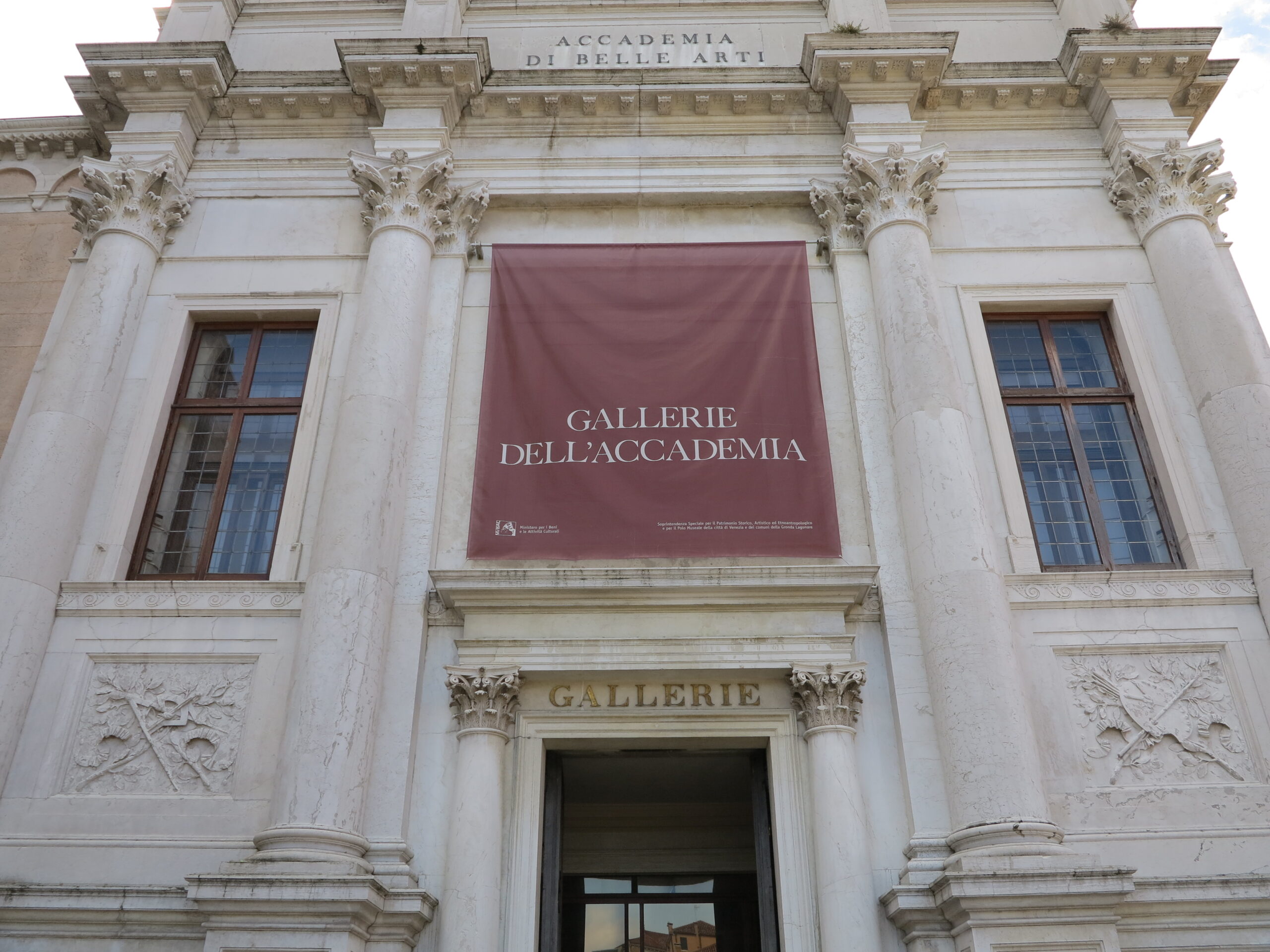
In November 2022, an Italian court ordered Ravensburger, a German manufacturer of toys and games, to stop selling puzzles depicting Leonardo da Vinci’s “Vitruvian Man.” The original artwork is currently held by the Gallerie dell’Accademia di Venezia, which, in 2019, sued the German company for failing to comply with Italian cultural heritage law. This law requires prior authorization and the payment of a fee to reproduce artworks from Italian public collections. Ravensburger refused to pay fees on products sold outside the Italian territory. After the Italian court ruled in favor of the museum, Ravensburger decided to bring the fight to its home country, initiating proceedings before a German court. In March 2024, the Landgericht Stuttgart sanctioned the German company’s right to freely use the image outside of the Italian territory. The following parallel analysis of these two rulings highlights important limits to the protection of cultural heritage, its complex relationship with intellectual property law, and the pressing need for harmonization in this field.

The protection of cultural heritage under Italian law

At the foundation of the Ravensburger case lie Articles 107-109 of the Codice dei Beni Culturali e del Paesaggio (CBCP – the Italian cultural heritage law). Art. 107 subjects the reproduction of cultural goods in public collections to the previous authorization of the museums or institutions in their possession. To appreciate the scope of application of this provision, it is important to note that most museums in Italy are State-owned. Art. 108 allows the same entities to decide on a fee according to the following set of criteria: a) the nature of the activities where the image will be used, b) the means with which the reproduction will be made, c) the type and length of the use of the goods and spaces, and d) the use and destination of the reproduction, as well as the profits that the external party will enjoy. No fee is required for creative and non-commercial uses, research and study activities, and the promotion of cultural heritage. 

Crucially, this regime also applies to the reproduction of artworks that have already entered the public domain and are, therefore, no longer covered by copyright. Attempts to monopolize the economic exploitation of artworks in the public domain are not uncommon (see, for example, the use of trademark law to “prolong” copyright). From this perspective, Arts. 107-109 CBCP seem to have successfully created a pseudo-copyright, held indefinitely by the Italian State, on an important portion of the world’s cultural heritage. The Ravensburger case effectively tested how far this protective right is enforceable.  

The Ravensburger proceedings

The Gallerie dell’Accademia di Venezia’s legal action follows several analogous cases, targeting non-authorized commercial uses of famous artworks from Italian collections. In recent years, the Uffizi Galleries’ suit against Jean Paul Gaultier and the Gallerie dell’Accademia’s legal battle against GQ Magazine have drawn particular attention. Through precautionary proceedings, museums can secure a court order to immediately halt the unauthorized use of a specific image, with the possibility of resorting to monetary penalties for non-compliance or delays. 

Following the Italian ruling, Ravensburger requested a negative declaratory judgment (negative Feststellungsklage) against the Italian Ministry of Culture (MiC) from the Landgericht Stuttgart, a German regional court. In German civil proceedings, a declaratory judgment allows plaintiffs to request a court to declare the existence (positive Feststellungsklage) or non-existence (negative Feststellungsklage) of a legal relationship. Accordingly, Ravensburger sought a declaration that the Italian court’s payment order was not enforceable outside of Italy’s territory.

Issues of jurisdiction

In deciding the Ravensburger case, the Venice court assessed its jurisdiction under European Union (EU) private international law. Under the Brussels I Regulation, defendants in tort cases domiciled in an EU member state can be sued in the forum delicti (Art. 7(2)). According to the case law of the Court of Justice of the EU, this may equally refer to the place of the harmful act or the place where the damage occurs. In the court’s view, the damage had occurred in Italy, the place where both the museum and the artwork were located.

The Landgericht Stuttgart also established its jurisdiction over the case. Firstly, the German court observed that the Italian court’s order targeted not only Ravensburger’s Italian subsidiary but also the main company with its headquarters in Germany. Secondly, the German court clarified that, even though the Venice court had already issued a legally binding decision, this did not bar legal proceedings in Germany, as the two cases were not identical. The first case centered on the MiC’s claim for compensation against Ravensburger, while the second focused on the enforceability of this claim outside of Italy.

The principle of territoriality

The most controversial aspect of the Italian ruling was the court’s conclusion that the CBCP, which applied to the case under Art. 4(1) of the Rome II Regulation, also applied to Ravensburger’s conduct outside of Italy. This peculiar decision was justified by referencing the CBCP’s “universal scope and vocation” and the lack of any explicit territorial limitation within that law. However, when deciding on Ravensburger’s request for a negative declaratory judgment, the German court found that the request was justified (begründet), as the question of the enforceability of Italy’s universal claim warranted judicial clarification. Furthermore, the court sided with Ravensburger, finding that the duty of compensation could not be enforced outside the Italian territory. The German court based its decision on the international law principle of territoriality. Accordingly, while the Italian legislation allows for a universal claim, the concept of State sovereignty dictates that a State’s law is only applicable in the territory of that State. Against this background, the court found no other legal basis for the universal enforceability of Italy’s compensation claim, nor did the MiC provide one.

The EU Directive on Copyright in the Digital Single Market 

It should be noted that Ravensburger also tried to challenge the extraterritorial application of Italian law in light of EU copyright law. Before the Italian court, they argued that the control exercised by the museum violated the rules on the public domain codified by the EU Directive on Copyright in the Digital Single Market. Before the German court, Ravensburger claimed that the Italian legislation conflicted with the EU Directive 2006/116/EC, which harmonized the duration of copyright protection within the EU to 70 years after the author’s death. Before the German court, the MiC claimed that the Ravensburger’s obligation did not arise from copyright protection, but from the protection of cultural heritage. Interestingly, Italian and German courts avoided addressing these questions, missing the opportunity to discuss this important problem of coordination between national cultural heritage laws and EU copyright policies.

A critical review of the Italian law

To understand the clash between the German and Italian courts, it is important to consider the specific ruling and law that the Landgericht Stuttgart was asked not to enforce. For example, while the Court of Venice found the sale of the Vitruvian Man puzzle to debase and water down the image and the name of the artwork, it never explained how exactly it injured such rights. According to the Italian system of preventive control, any unauthorized use of the cultural heritage’s imagery is considered tortious, regardless of its specific characteristics. The rationale underlying this law is protecting the integrity of the national cultural heritage, which, as put by the court, represents “an essential interest of the Italian State.” Nevertheless, the regime created by Arts. 107-109 is controversial under at least two profiles. 

Firstly, it blends this law’s economic and moral aspects, putting excessive emphasis on the former. It is difficult to imagine that there would have been any issue authorizing Ravensburger’s use of the Vitruvian Man if they had agreed to pay the required fees. This attitude is particularly striking if one considers that the State itself has sometimes made questionable use of the cultural imagery (see, for example, the widely discussed “Open to Meraviglia” campaign with the Venus of Botticelli depicted as a modern-day influencer). The idea that the State might economically profit from the commercial exploitation of cultural heritage is not only anachronistic (as acknowledged by Corte dei Conti, the institution responsible for controlling the State budget), but it also undermines the goals behind the process of digitalization of cultural heritage. Moreover, it does not align with this law’s history. As Italian lawyer Giuseppe Calabi pointed out, the limitation of the right of reproduction was initially meant to ensure the physical protection of the artworks. Later amendments extended its scope to cover images and names, introducing a fee. Nevertheless, this system of control was never envisioned as a proprietary prerogative of the State, but rather as a duty falling upon the objects’ custodians to preserve their integrity. 

Secondly, the regime envisioned by Arts. 107-109 is unsuitable for the contemporary realities of international and online commerce. A quick search on Amazon.it, for instance, reveals that numerous brands are actively selling puzzles featuring the Vitruvian Man, leaving the impression that cases like the Ravensburger dispute resemble a game of Russian Roulette. The consequences of this climate of legal uncertainty on the soft power exercised by Italy’s “iconic visual imagery,” noted by Professor Geraldine Johnson, appear to be of little concern to the Italian legislator (perhaps confident in the country’s enduring reputation as a treasure trove of cultural goods). However, by deterring foreign businesses unfamiliar with Italian law from using images of Italy’s cultural heritage, this situation could inadvertently leave the market to unscrupulous actors and their low-quality products, ultimately undermining the very objectives of this law.

Conclusions

In contexts such as the Italian one, some form of control over the use of imagery from the national cultural heritage seems inevitable: its unique historical and artistic importance has made it such a defining trait for this country that the cultural goods themselves enjoy personal rights. A system of ex post, rather than preventive controls, based on the criteria listed in Art. 108, could allow authorities to actually examine the merits of potentially harmful uses (distinguishing, for example, between the commercialization of a puzzle and the promotion of an OnlyFans account). In combination with eliminating the fee requirement, this amendment would remove a significant burden from the users’ shoulders, bring the Italian discipline in line with EU law, and increase the transnational effectiveness of its court orders.

Ravensburger’s choice to challenge the Italian decision unveiled just how crucial the willing cooperation of the succumbing party remains in transnational cultural heritage cases. While the protection of cultural heritage is generally recognized as a fundamental prerogative of sovereign States (see, for example, Art. 36 of the Treaty of the Functioning of the European Union), without proper harmonization, its effectiveness in a globalized environment is inevitably thwarted. Courts will be forced to revert to the principle of territoriality, as did the Landgericht Stuttgart; the resulting fragmentation is bound to jeopardize the proper protection of cultural heritage. The fact that the Ravensburger case took place in the heart of Europe – a region of intense legal harmonization – highlights the need for continuous efforts to develop a system of legal convergence and mutual recognition. For the time being, the legal landscape remains… a puzzle.       


[hr gap=”1″]

* Livia Solaro, PhD Candidate at Maastricht University in the Netherlands

** H. Konstantin Jänicke, PhD Candidate at Maastricht University in the Netherlands

This publication is part of the project PRICELESS (with project number KICH1.VE03.21.003) of the research programme KIC which is (partly) financed by the Dutch Research Council (NWO). 

Cover image credit 

HALO x ILJ Collaboration, Online Scholarship

Illicit Trafficking of Cultural Goods: An Indian Perspective on the Loss of a Heritage

Editor’s Note: This article is part of a collaboration between the Harvard Art Law Organization and the Harvard International Law Journal.

*Tanisha Rai & **Rahul Kumar

I. Introduction

India’s rich cultural heritage, spanning thousands of years, is a testament to the country’s diverse traditions, philosophies, and artistic achievements. From ancient sculptures and manuscripts to contemporary works of art, these cultural goods represent the soul of the nation and are integral to its identity. However, this heritage is increasingly under threat due to the illicit trafficking of cultural artifacts. The theft, smuggling, and illegal trade of these items not only robs communities of their cultural legacy but also fuels a global black market that undermines heritage preservation efforts.

In recent years, the problem of illicit trafficking has grown more sophisticated, with rural temples, museums, and archaeological sites becoming frequent targets. International demand for unique artifacts, coupled with inadequate documentation and security at heritage sites, has exacerbated the issue. Contemporary cases such as the theft of S.H. Raza’s Prakriti painting and the smuggling of bronze idols from Tamil Nadu highlight the nature of these crimes.

This study sheds light on the gaps in existing legal frameworks and enforcement mechanisms for combating the illicit trafficking of cultural goods in India. It also highlights India’s successes in repatriating stolen artifacts, such as the Vishnu sandstone sculpture, while addressing the challenges faced in the global fight against cultural crimes. Through a contemporary lens, this study aims to analyse the question of ownership and repatriation, offering insights into the global and local dimensions of cultural heritage preservation. It seeks to emphasize the importance of robust legal frameworks, international collaboration, and community engagement in safeguarding India’s cultural treasures for future generations.

II. Understanding Illicit Trafficking of Cultural Goods

Illicit trafficking of cultural goods refers to the unauthorized removal, smuggling, sale, or exchange of artifacts and heritage items that hold historical, artistic, or cultural significance. Such activities undermine the preservation of a nation’s identity and history, often leading to irreversible loss. Illicit trafficking encompasses theft from sites and museums, clandestine excavations, and the forgery of artifacts sold as originals. The global demand for unique and ancient items fuels this trade, often facilitated by organized crime syndicates, collectors, and auction houses.

Historical Context in India

India, with its millennia-old civilization, has always been a target for the plundering of cultural artifacts. The impact of colonialism looms large in this regard, with the British Empire and other colonial powers systematically removing priceless artifacts during their rule. Items like the Koh-I-Noor diamond and the Amravati sculptures are examples of this historical exploitation.

Post-independence, while efforts were made to safeguard heritage sites, rapid urbanization and inadequate security measures left many artifacts vulnerable to theft. Temples in rural areas, archaeological sites, and poorly guarded museums became hotspots for illegal activities. The cultural treasures stolen from India were often sold in black markets or ended up in international auction houses, far removed from their original cultural contexts.

Contemporary Trends in Illicit Trafficking

In recent years, illicit trafficking in India has evolved in complexity. Advances in technology have made it easier for traffickers to forge documentation, create replicas, and smuggle artifacts. Additionally, the global art market’s high valuation of Indian antiquities has amplified the problem. For example, temples in Tamil Nadu have been frequent targets, with numerous ancient idols being smuggled and later surfacing in museums and private collections abroad.

The involvement of international syndicates complicates recovery efforts. Many artifacts stolen decades ago are now untraceable due to inadequate documentation. Efforts to combat this require cross-border cooperation and adherence to conventions like the UNESCO 1970 Convention.

Moreover, the illicit trade in cultural goods deprives India of valuable heritage assets, impacting not just tourism revenue but also the cultural identity of communities. Losing such artifacts erases links to history, making their recovery and preservation critical. 

Furthermore, the lack of knowledge and awareness among local communities about the value of these cultural artifacts significantly contributes to their illicit trafficking, making these artifacts vulnerable to exploitation by traffickers, who purchase them at nominal prices before selling them at exponentially higher rates in the global black market. In many rural areas, particularly in temple towns and archaeological hotspots, locals often view these items merely as old religious or artistic objects without fully understanding their historical, cultural, or monetary worth. 

Traffickers, often posing as collectors or intermediaries, manipulate local villagers or temple caretakers by offering small sums of money for sculptures, manuscripts, and other heritage items. Since these individuals may not be aware of the global demand or the true significance of the artifacts, they accept these meagre payments, unknowingly aiding in the destruction of their own cultural legacy. For example, an intricately carved Chola bronze idol that could fetch millions in an international auction is sometimes sold for just a few thousand rupees at the local level.

The consequence of these low selling prices extends beyond mere financial loss. By keeping the local supply of stolen artifacts inexpensive, traffickers ensure a steady flow of goods, making it easier to sustain and expand their networks. This, in turn, incentivizes further thefts and illegal excavations, as criminals recognize the ease with which artifacts can be acquired cheaply from uninformed sellers.

III. Contemporary Issues in India

India’s cultural heritage is under constant threat due to the growing incidence of illicit trafficking of cultural goods. In recent years, the theft and smuggling of cultural artifacts has garnered widespread attention. For instance, in September 2024, a painting by renowned Indian artist S.H. Raza, titled Prakriti, was stolen from an auction house’s warehouse in Mumbai. Valued at over ₹2.5 crore, this theft exemplifies the vulnerabilities in safeguarding even contemporary artworks. 

One challenge stems from how Auction houses and private collectors often purchase stolen goods, sometimes unknowingly, perpetuating the cycle of theft and illegal trade. 

Furthermore, one of the most pressing issues is the absence of a comprehensive, centralized database to document India’s vast array of cultural assets. Rural temples and historical sites, which house countless artifacts of immense historical and artistic value, often lack detailed inventories or photographic records. This makes it difficult to identify and recover stolen artifacts once they are smuggled abroad.

Another challenge is the advanced methods employed by traffickers. Sophisticated techniques, such as digitally forged provenance documents, make it increasingly difficult for authorities to trace the origin of artifacts. These fake records often deceive both collectors and auction houses into believing the artifacts are legitimate, further complicating repatriation efforts. The lack of real-time data-sharing mechanisms between Indian authorities and international agencies exacerbates the issue, allowing stolen artifacts to move across borders undetected.

IV. Repatriation Litigation

Repatriation litigation refers to legal efforts to recover stolen or illegally exported cultural goods from foreign territories. This convention obligates signatory countries to take measures to prevent the illicit import, export, and transfer of ownership of cultural property. India, a signatory since 1977, has leveraged this agreement in numerous cases to reclaim its cultural heritage.

Another vital mechanism is the role of bilateral agreements between India and countries like the United States. These agreements enable direct collaboration for the identification and return of stolen artifacts. Additionally, Interpol’s Stolen Works of Art database and partnerships with organizations like the International Council of Museums (ICOM) have been critical in tracking and recovering artifacts.

Case Studies

1. The Return of the Nalanda Buddha Statue: The Nalanda Buddha statue, a 12th-century bronze artifact, was stolen from a Bihar Museum in the 1960s. Decades later, it resurfaced at a London auction house. Following legal and diplomatic efforts, the Indian government successfully reclaimed the artifact in 2018.

2. Repatriation of the Vishnu Sandstone Sculpture: In 2024, India repatriated a 10th-century sandstone sculpture of Lord Vishnu, smuggled out of Rajasthan and sold to a U.S.-based collector. The artifact’s return was facilitated through a bilateral agreement and negotiations involving the U.S. Department of Homeland Security.

3. Australian Museum Returns: Over the past decade, several Australian museums have returned stolen Indian artifacts, including Chola-era bronze idols and a 6th-century Shiva statue. Many of these artifacts were linked to notorious art smuggler Subhash Kapoor, whose operations spanned multiple continents. The returns were expedited following investigative reporting and collaborative efforts between Indian authorities and Australian institutions.

However, despite the return of these pieces of cultural heritage, thousands more still remain outside the country. It is a significant challenge to prove the origins of artifacts, a process which without detailed records, establishing ownership claims in international courts becomes difficult.

Repatriation cases often involve protracted legal battles in foreign jurisdictions, requiring significant financial and diplomatic resources. Some private collectors and museums resist returning artifacts, citing gaps in legal frameworks or disputing provenance claims. This resistance underscores the need for stronger international enforcement mechanisms.

Repatriation litigation is not just a legal process but a moral imperative to restore cultural heritage to its rightful place. By leveraging international collaborations and improving domestic mechanisms, India can continue to reclaim its invaluable cultural legacy while setting an example for the global community.

V. Recommendations 

India’s cultural heritage is under persistent threat from the illicit trafficking of cultural goods, a crime that not only erodes national identity but also violates the global principle of cultural preservation. From historical looting during colonial times to contemporary thefts fuelled by international demand, the challenge is multifaceted. Thus, the need to fortify India’s legal, technological, and collaborative frameworks to combat this menace is evident. Addressing these gaps requires a holistic approach that integrates legal modernization, technological advancement, and proactive international collaboration.

Enhanced documentation and digitization are imperative for effective protection and recovery. The creation of a comprehensive, publicly accessible national database, housing detailed records and photographs of India’s cultural goods, is non-negotiable. Blockchain technology could play a pivotal role in ensuring transparency and reliability in ownership records and provenance tracking, reducing the chances of forgeries or disputes in international courts. This digitized approach would address the longstanding issue of inadequate documentation, which has often hindered the recovery and repatriation of stolen artifacts.

Technology must also be leveraged to bolster security and recovery efforts. Advanced surveillance systems, including motion detectors and high-definition cameras, should be installed at heritage sites and museums to deter theft. Artificial intelligence can be employed to match recovered artifacts with stolen records or existing collections, expediting identification and recovery. E-governance tools, such as mobile applications, could empower citizens to report suspicious activities around cultural sites, fostering a community-led approach to safeguarding heritage.

Strengthening international collaboration is equally vital in the fight against cultural crimes. India must expand the scope of bilateral agreements to ensure quicker artifact recovery and expedited legal processes. Active engagement with international organizations such as UNESCO, Interpol, and the International Council of Museums (ICOM) is necessary to advocate for stronger global mechanisms against trafficking. These partnerships would also facilitate better intelligence sharing and coordinated operations across borders.

Capacity building is a critical aspect of effective enforcement. Specialized training programs for customs officials, police, and the judiciary on cultural asset crimes and relevant laws would enhance India’s ability to tackle trafficking at multiple levels. Local communities, often the first line of defence for rural temples and sites, should be educated on the value of cultural artifacts and incentivized to protect them through awareness initiatives.

Public awareness campaigns and the promotion of ethical practices in the art market can further reduce demand for stolen artifacts. By highlighting the cultural and historical significance of these goods and exposing the impact of their illicit trade, India can create a more informed public. Advocacy for ethical practices among collectors, museums, and auction houses would also address the root of the demand driving this illegal activity.

Finally, India must expedite repatriation processes. Establishing dedicated legal cells to handle repatriation litigation would ensure quicker responses and robust representation in foreign jurisdictions. Strengthened cultural diplomacy, leveraging India’s soft power, can facilitate smoother negotiations in reclaiming stolen artifacts.

VI. Conclusion

India’s battle against the illicit trafficking of cultural goods is both a legal and moral endeavour to protect its rich heritage for future generations. While the challenges are manifold—ranging from inadequate documentation to advanced smuggling techniques—the successes achieved through ownership and repatriation litigation underscore the potential for effective solutions.

Contemporary cases, such as the theft of S.H. Raza’s painting and the recovery of the Vishnu sandstone sculpture, highlight both the vulnerabilities and resilience of India’s efforts. By strengthening legal frameworks, leveraging technology, enhancing documentation, and fostering international collaboration, India can better protect its cultural treasures.

Furthermore, repatriation is more than just a legal exercise; it is an affirmation of cultural identity and historical justice. As India continues to reclaim stolen artifacts, it sets a precedent for other nations facing similar challenges, underscoring the global responsibility to respect and preserve cultural heritage.

A unified approach involving government bodies, international partners, local communities, and ethical players in the art market will ensure that India’s cultural legacy remains safeguarded, celebrated, and accessible to future generations. This is not just a fight to recover stolen artifacts but a larger movement to protect the soul of a civilization.

[hr gap=”1″]

Cover image credit 

HALO x ILJ Collaboration, Online Scholarship

Cultural Heritage Protection in the Age of Climate Change: Adapting International Legal Frameworks to Environmental Threats

Editor’s Note: This article is part of a collaboration between the Harvard Art Law Organization and the Harvard International Law Journal.

*Malgorzata Kubik

1. Introduction

Cultural heritage is increasingly imperiled by the multifaceted impacts of climate change. Phenomena such as rising sea levels, severe wildfires, floods, extreme rainfalls, increasing temperature and shifting weather patterns pose unprecedented risks to cultural landmarks that may result in complete deterioration of heritage sites. In some cases, the effects of climate change are irreversible, leading to the degradation of architectural structures, loss of biodiversity and damage to landscapes. Another aspect of this issue is climate-related migration. It is estimated that up to 187 million people may be forcibly displaced by two meters of sea level rise. In consequence, whole communities and even nations may be forced to abandon their lands which may lead to the vanishing of their cultural heritage and traditions.

This critical concern affects sites such as Rapa Nui (the indigenous name for Easter Island), the Chan Chan archeological zone in Peru and the area surrounding Edinburgh castle. As indicated by UNESCO, archaeological evidence embedded within the soil may be subject to accelerated degradation if the stratigraphic integrity of the soil is compromised as a result of factors such as enhanced flooding events, shifts in precipitation patterns or the thawing of permafrost. Additionally, as much as one third of the World Heritage cities are located in coastal areas, making them particularly vulnerable to risks associated with rising sea levels.

Although the importance of preserving monuments, buildings and sites of outstanding value to humanity has long been globally recognized, the intensifying impacts of climate change raise challenges to the traditional approaches to heritage protection. At first glance, international cultural heritage protection law, established mostly in a pre-climate crisis era,      seems ill-suited to face these challenges. While instruments such as UNESCO Conventions provide a conceptual basis for global heritage protection, their static nature may limit their capacity to respond to the dynamic challenges posed by environmental transformations.

This concise essay seeks to analyze the principal international legal framework for the protection of cultural heritage, with the aim of evaluating the effectiveness of current legal measures in the context of climate change. It highlights the need for a more adaptive and forward-thinking approach to ensure the resilience of cultural heritage against climate-driven degradation. By exploring potential strategies, this analysis underscores the importance of integrating climate considerations into the global governance of cultural heritage.

2. Convention concerning the Protection of the World Cultural and Natural Heritage

The Convention concerning the Protection of the World Cultural and Natural Heritage adopted by UNESCO in 1972 (hereinafter referred to as the 1972 Convention) is a fundamental instrument aimed at protecting cultural and natural sites of outstanding value. The 1972 Convention recognizes the importance of preserving cultural and natural heritage for future generations. While the dominant focus of this instrument is on the protection of heritage sites from human-induced threats such as armed conflict, urbanization and tourism, its relevance in the context of climate change has gained increased attention in the last several years. 

While the 1972 Convention itself does not explicitly address climate change, it contains mechanisms which can play a critical role in raising awareness and fostering international cooperation to mitigate climate risks. Pursuant to art. 11.4 of the 1972 Convention, the World Heritage Committee shall establish, keep up to date and publish the list of World Heritage in Danger, indicating World Heritage sites “for the conservation of which major operations are necessary.” This provision applies to sites that are “threatened by serious and specific dangers, such as the threat of disappearance caused by accelerated deterioration, large-scale public or private projects or rapid urban or tourist development projects; destruction caused by changes in the use or ownership of the land; major alterations due to unknown causes; abandonment for any reason whatsoever; the outbreak or the threat of an armed conflict; calamities and cataclysms; serious fires, earthquakes, landslides; volcanic eruptions; changes in water level, floods and tidal waves.” This implies that a significant number of climate change-related risks may provide a valid rationale for the inclusion of a heritage site on the list of World Heritage in Danger.

The recognition of sites on the List of World Heritage in Danger should not only raise global awareness but also mobilize the necessary financial resources and expertise for targeted conservation efforts. This process envisions the need for adaptive management strategies that integrate climate change projections into heritage protection plans. Furthermore, the Committee’s actions should encourage state parties to prioritize the protection of their cultural and natural heritage by adopting sustainable development practices that minimize climate risks.

However, it has been suggested that this legal mechanism has demonstrated limitations in its effectiveness and is not fully operational in addressing the complex and evolving challenges faced by vulnerable heritage sites. According to Flavia Z. Giustiniani, there appears to be a notable reluctance on the part of the World Heritage Committee to inscribe sites on the List of World Heritage in Danger, as illustrated by the Kathmandu Valley case in Nepal. This hesitation may stem from the political and diplomatic sensitivities involved, as such an action is often perceived as a critique of the state parties’ management of their heritage sites. Furthermore, the Committee seems cautious in utilizing the list as a tool to exert pressure or enforce compliance among state parties, reflecting a broader tension between the need for accountability and the desire to maintain cooperative international relations. This dynamic raises questions about the effectiveness of the List of World Heritage in Danger in fulfilling its intended purpose as a mechanism for ensuring robust protection of endangered cultural and natural heritage, including against risks resulting from climate change.

Ultimately, while the Convention provides a valuable legal framework for the protection of cultural and natural heritage, it requires ongoing adaptation to address the emerging and evolving threats posed by climate change. Strengthening the adaptive capacity of existing legal frameworks is essential, including more effective implementation of provisions within the 1972 Convention. This could involve incorporating explicit references to climate change into operational guidelines and promoting climate resilience in heritage management plans. Furthermore, fostering international cooperation through shared research, funding mechanisms, and technology transfer can enhance the collective capacity to address climate risks. Additionally, developing synergies between cultural heritage law and broader environmental treaties, such as the UN Paris Agreement, can create a more cohesive response to climate-induced challenges.

3. Convention for the Protection of Cultural Property in the Event of Armed Conflict

The Convention for the Protection of Cultural Property in the Event of Armed Conflict, adopted by UNESCO in 1954 (hereinafter referred to as the 1954 Convention) addresses the safeguarding of cultural heritage during armed conflicts. Its primary objective is to protect cultural property, including monuments, artworks and sites of historical importance, from destruction, theft, and other forms of damage resulting from hostilities. Despite the fact that the 1954 Convention, akin to the 1972 Convention, does not explicitly focus on environmental threats, its core provisions offer a framework for addressing the wider spectrum of risks to cultural heritage, including those associated with climate change.

Although the 1954 Convention does not contain provisions addressing climate change, its emphasis on the preservation and protection of cultural property could potentially be extended to include environmental challenges. This is particularly applicable to provisions that apply during peacetime, which focus on preventive measures to safeguard cultural heritage. Article 3 of the 1954 Convention obliges state parties to take measures for the protection of cultural property within their territory, even in the absence of an immediate threat of armed conflict. According to the Second Protocol to the 1954 Convention (hereinafter referred to as the Protocol), such measures include preparation of inventories, the planning of emergency measures for protection against fire or structural collapse, the preparation for the removal of movable cultural property or the provision for adequate in situ protection of such property, as well as the designation of competent authorities responsible for the safeguarding of cultural property. 

The above mentioned measures, although designed for military conflict scenarios, can be adapted to address risks posed by climate change. For instance, the preparation of inventories and risk management plans, as outlined in the Protocol, can also encompass climate vulnerability assessments and adaptation strategies. Similarly, the enhanced protection mechanism encourages long-term planning and prioritization, which aligns with the need to safeguard heritage sites from gradual climate impacts. By fostering international cooperation and technical support, the Protocol provides a framework that can be interpreted in favour of promoting resilience against environmental threats, thus ensuring the enduring preservation of cultural heritage in a changing climate.

4. Conclusions

As climate change continues to pose significant risks to cultural heritage, there is an urgent need to adapt international legal frameworks to address these emerging threats. Existing legal instruments, such as the UNESCO Conventions, are predominantly concerned with safeguarding heritage from armed conflict and human-induced threats; however, their principles hold the potential to be broadened to address the evolving dangers associated with climate change.

One of the key strategies for adaptation lies in enhancing the preventive measures and risk management frameworks within these legal instruments. Incorporating climate change considerations into the operational guidelines of the 1972 Convention, for example, could strengthen the resilience of cultural heritage. The use of adaptive management techniques, informed by climate science, is essential for long-term preservation efforts. Additionally, fostering international cooperation and technical assistance can enable countries to share expertise, resources, and best practices for addressing climate risks to cultural heritage.

Despite its partial capacity to address climate-related concerns, cultural heritage law requires a more integrated approach that combines various legal disciplines. It has been indicated that a successful legal approach to combating climate change should integrate legal regulations concerning heritage protection, environment, property, construction, water, and planning. The adaptation of cultural heritage law to climate change requires an integrated, global approach that combines legal, scientific, and policy efforts. By enhancing existing frameworks and promoting international solidarity, we can ensure the continued preservation of cultural heritage for future generations, even in the face of climate crisis.

[hr gap=”1″]

Cover image credit 

HALO x ILJ Collaboration, Online Scholarship

Bridging Copyright and Cultural Heritage: Art Preservation Through the Moral Right to Integrity

Editor’s Note: This article is part of a collaboration between the Harvard Art Law Organization and the Harvard International Law Journal.

*Lorenza Giordani

I. INTRODUCTION

The interplay between copyright and cultural heritage law is often overlooked, yet it becomes crucial in the realm of art preservation. This is especially relevant when considering the moral right to integrity and the phenomenon of art destruction. These issues transcend a purely European context, offering a rich foundation for rethinking art preservation from an intergenerational perspective.

Originating in Europe, moral rights, including the right to integrity, have since become a global norm under the Berne Convention, which introduced them in 1928. Despite initial skepticism, particularly in common law jurisdictions, these rights are now widely recognized and embedded in international copyright frameworks. This article explores how the moral right to integrity, particularly in cases of visual art destruction, can align with the future application of cultural heritage law to protect communal cultural assets.

According to Article 6 bis of the Berne Convention, the moral right to integrity empowers artists to shield their works from distortion, mutilation, or modifications that harm their honour or reputation. Meanwhile, cultural heritage law seeks to preserve objects of significant cultural value. This article argues that the moral right to integrity can act as a provisional mechanism for cultural heritage protection, bridging individual rights with broader communal preservation efforts.

II. THE MORAL RIGHT TO INTEGRITY

Moral rights, originating in the European continental legal tradition,  reflect the deep bond between an artist and their creation. Among these rights, the right to integrity allows creators to object to modifications—broadly intended—that are prejudicial to their honour or reputation. Enshrined in Article 6 bis of the Berne Convention and recognized internationally, the right to integrity’s application and enforcement vary widely across jurisdictions, offering little explicit guidance on the issue of destruction.

The destruction of a work raises complex questions about the balance between the individualistic focus of moral rights and the broader interests of society. While the harm directly affects the artist, it also extends to the cultural fabric of the community, suggesting a more expansive role for the right to integrity. However, in practice, legal disputes are confined to the artist and the artwork’s owner, leaving the community without a cause of action. By contrast, cultural heritage law assumes a communal benefit in the protection of cultural assets, explicitly recognizing the societal value of preservation.

For this reason, I argue that the community’s interest should be integral to interpreting the moral right to integrity, particularly in cases of art destruction. Reconceptualizing the right in this way would better reflect the dual significance of visual art as both personal expression and shared cultural heritage.

III. VISUAL ART AND THE UNIQUE CHALLENGES OF DESTRUCTION

Visual art’s physicality and unique embodiment of cultural values make it particularly vulnerable to destruction, positioning it at the center of discussions on cultural preservation. Unlike literary or music works, visual art’s value often hinges on its singular physical manifestation, challenging the established copyright principle of the distinction between chorpus mechanicum and mistycum. The destruction of a painting, sculpture, or installation can result in the irreversible loss of cultural and historical significance.

Legal ambiguity further complicates this issue. While the Berne Convention grants authors the right to object to modifications prejudicial to their honour or reputation, it does not explicitly address destruction. Some judicial interpretations suggest that destroying a work—rendering it non-existent—cannot harm an artist’s reputation, as no altered message can be conveyed to the public, unlike in cases of modification. Besides proving to be fallacious, this argument further neglects the collective cultural loss that occurs when a significant work of art is destroyed.

Two critiques arise regarding the use of the moral right to integrity as a mechanism for cultural preservation. First, not all works protected under the right to integrity will necessarily qualify as cultural heritage in the future, raising questions about the criteria for identifying cultural worthiness. Second, the enforcement of the right to integrity could reflect an artist’s interests in ways that conflict with community values. While the first critique involves establishing intergenerational criteria for cultural significance, the second critique highlights a valid tension that warrants further exploration.

To address these concerns, I propose reconceptualizing the moral right to integrity as a “collective-but-individually-embodied” right by acknowledging a seed of community interest in an individual right. This framework preserves the individualistic foundations of the right while recognizing the community’s stake in visual art, which derives meaning and value through public engagement and societal impact. By preventing destruction, the moral right to integrity safeguards works that might one day be recognized as cultural heritage, ensuring the preservation of significant artistic and historical contributions for future generations.

The theoretical foundation of the moral right to integrity highlights its role in protecting both individual artistic expression and communal cultural preservation. Yet, enforcement varies widely, particularly in cases of visual art destruction. While the Berne Convention provides a global framework, its lack of clear guidance on destruction leads to differing interpretations. This inconsistency complicates the protection of artistic integrity and the balance with cultural heritage goals. The next section examines how judicial approaches in Europe remain fragmented, with varied legal practices across countries. Comparisons with non-European systems reveal different ways these challenges are handled, emphasizing the difficulty of aligning individual and cultural rights in a cohesive way.

IV. THE DESTRUCTION ISSUE IN JUDICIAL APPLICATION: A MASSIVE FRAGMENTATION

Despite the widespread protection of the moral right to integrity across European countries, significant fragmentation persists in its scope and application, largely due to the lack of harmonization within the European Union’s copyright framework. While the EU has unified certain economic aspects of copyright law, moral rights remain outside its purview, leaving individual member states to develop their own interpretations and implementations. Notably, major jurisdictions such as France, Germany, Spain, and Italy do not explicitly extend the moral right to integrity to include the prevention of destruction. As a result, copyright disputes over the destruction of artworks are primarily resolved through case law, which reflects a mosaic of interpretations rooted in differing historical, cultural, and legal traditions.

Among European jurisdictions, Germany offers an instructive example of a more detailed and relatively recent jurisprudence. German courts engage in a nuanced balancing of the moral right to artistic integrity against the property rights of owners, employing a framework grounded in constitutional principles. The Federal Supreme Court has emphasized the importance of balancing the freedom of artistic expression, protected under Article 5 of the Basic Law, with the protection of property under Article 14. Courts consider key factors such as the originality, uniqueness, and intended purpose of the artwork—distinguishing between free artistic creations and applied art with functional purposes. When artworks are integrated into structures, practical considerations such as construction needs or redevelopment plans often weigh heavily against the artist’s rights. Additional considerations include whether the artist had opportunities to preserve their work through alternative measures, such as creating copies or facilitating reinstallation.

In contrast, certain non-European jurisdictions provide more explicit protections against the destruction of artworks, offering valuable lessons for balancing competing rights. For example, despite its historical resistance to moral rights and delayed adoption of the Berne Convention, the United States provides limited but significant safeguards under the Visual Artists Rights Act (VARA). VARA grants visual artists the right to prevent destruction of their works if the artwork is deemed to be of “recognized stature.” While this criterion may seem elusive, it has been clarified through case law, such as the landmark Carter v. Helmsley-Spear (71 F.3d 77 (2d Cir. 1995)) decision, which established that “recognized stature” involves both merit and recognition by experts, the artistic community, or society at large. This approach integrates community standards into the legal framework, reflecting a broader conception of cultural preservation.

Switzerland presents an alternative model, focusing on procedural obligations for owners under Article 15 of its copyright law. When the destruction of a copyrighted work is foreseen, the owner must offer the work back to the artist or, if this is not feasible, ensure the artist can create a suitable reproduction. This procedural mechanism has two notable advantages: it simplifies judicial assessments by providing clear obligations for owners and increases compliance by outlining a straightforward process. However, its individualistic focus—excluding community involvement in evaluating the artwork’s significance—limits its broader applicability, particularly for works of community importance.

Together, the U.S. and Swiss approaches highlight the potential for copyright law to address cultural heritage concerns through flexible interpretations of the moral right to integrity. The U.S. model emphasizes the role of community standards in preserving artworks of societal importance, while the Swiss system underscores the value of clear procedural safeguards. These models provide complementary perspectives on balancing artistic integrity with property rights, offering potential pathways for harmonizing international approaches to the destruction of art. 

V. THE MORAL RIGHT TO INTEGRITY AS A SAFEGUARD FOR CULTURAL HERITAGE IN TRANSITION

The argument proposed in this article explores how the moral right to integrity can serve as interim protection for cultural heritage, especially concerning the destruction of visual art. Interpreting this moral right collectively bridges copyright and cultural heritage law, ensuring significant artworks may be preserved until they can be formally recognized under heritage statutes.

Firstly, the irreversible nature of destruction—and sometimes modification—means that once a work is lost, it cannot be recovered. While it’s unrealistic to save every piece of art from destruction, society benefits from preserving significant works to assess their cultural value in the future. This is not a call for blanket preservation, but an appeal for a forward-thinking approach in cases involving potential destruction.

Secondly, there is a timing gap between the application of copyright law and cultural heritage law. Cultural heritage laws often take effect after considerable time has passed and consensus has formed about an artwork’s importance. From a private law perspective, moral rights help ensure that enough art is preserved during this interim period.

Moreover, evaluating an artwork’s cultural significance under heritage law is not fundamentally different from assessing the moral right to integrity in cases of destruction, especially when considering the collective aspect of moral rights. The main difference is time: recognizing cultural value is clearly easier in hindsight. This retrospective acknowledgment explains concerns over the potential destruction of important artworks not yet protected by heritage laws.

Understanding the moral right of integrity as both individual and collective can reconnect copyright and cultural heritage law. While cultural heritage belongs to the community, copyright is a form of private property. These systems express and control value differently: the market for copyright and community relationships for cultural heritage. This tension can be addressed by integrating the community into enforcement through moral rights.

However, this relies on the assumption that authors and the public have converging interests, which is not always the case. Critics argue that moral rights laws presume a uniform public interest favouring preservation, which may not reflect reality. While moral rights may support preservation, they must be balanced against conflicting rights using fair criteria, emphasizing the need to consider these standards carefully.

VI. CONCLUSION

This article explores the key arguments for balancing the moral right to integrity with conflicting property rights over a single copyrighted work, particularly in the context of visual art destruction. Visual art presents unique challenges: it often operates outside copyright-driven markets, merges the intangible work with its tangible medium, and grapples with the ambiguous concept of destruction, which is intrinsically vague. The conflict between the moral right to integrity and ownership rights is a classic exercise in balancing, where no single right takes precedence, and fairness depends on well-defined criteria. This issue offers an opportunity to reflect on the broader relationship between copyright law and cultural heritage law. Despite their shared goal of protecting creative and cultural output, these fields are rarely connected in practice. The destruction of art, particularly in relation to the moral right to integrity, could serve as a useful lens for exploring this necessary relationship. Furthermore, in its broader sense, copyright law would benefit from moving away from a strictly individualistic interpretation and reconnecting with its cultural and community roots.

[hr gap=”1″]

* Lorenza Giordani is a PhD student at Bocconi University (Italy).

Cover image credit 

HALO x ILJ Collaboration, Online Scholarship

Beyond Green and Social: Embracing Cultural Sustainability in Public Procurement Through the Lens of Traditional Knowledge

Editor’s Note: This article is part of a collaboration between the Harvard Art Law Organization and the Harvard International Law Journal.

*Dr. Carol Cravero

This article explores how public procurement can foster traditional knowledge (TK)-sensitive solutions by investigating the role of legal mechanisms such as intellectual property (IP) tools, contractual provisions, and tailored regulatory frameworks in facilitating their inclusion. Drawing on concrete yet limited examples around the world, such as New Zealand’s Progressive Procurement Policy, the article advocates for public procurement frameworks that recognize and incorporate diverse knowledge systems – particularly traditional ones – in advancing sustainable development and promoting cultural diversity.

Public procurement refers to the purchasing activities carried out by governments and public entities, which are essential for fulfilling their mandates. These activities encompass infrastructure development, the acquisition of goods, and the procurement of both physical and intellectual services from the private sector. Beyond being merely a series of economic transactions, public procurement can contribute to advancing broader societal goals.

In particular, governments can use public procurement as a strategic tool to promote sustainable development, fostering a greener and more equitable future. Identified as green or social, sustainable public procurement can contribute to a wide array of sustainable development goals, for example reducing greenhouse gas emissions, minimizing waste and pollution, encouraging sustainable resource use, advancing more equitable society, making progress on gender balance, promoting healthy and reliable food, ensuring fair labor practices, supporting local businesses, and enhancing community well-being through social initiatives.

Under the category of social public procurement, some governments, such as Canada, the US, New Zealand, and Australia, have developed strategies and policies to empower Indigenous communities through equitable and inclusive mechanisms ranging from set-aside contracts to preference schemes, with the aim of directing procurement opportunities toward them. Through set-aside contracts, procuring entities restrict the procurement eligibility criteria to Indigenous businesses only, ensuring that procurement contracts for goods, works or services are awarded exclusively to this category. On the other hand, preference schemes allow all bidders to participate while granting an advantage to certain bidder groups during the bid evaluation stage. In this context, Indigenous businesses may receive additional points, increasing their chances of winning even if their bids are not the lowest-priced or highest-ranked. Additionally, governments may also set annual targets for the number of contracts to be awarded to Indigenous businesses at the national level, as exemplified by New Zealand’s approach with Māori businesses and Canada’s mandatory targets for Indigenous businesses.

Set-aside contracts, preference mechanisms, and targets reflect a political commitment to promoting inclusivity in public procurement. This inclusiveness is typically intended to increase the participation of Indigenous businesses in public procurement, foster supplier diversity, and may even result in a higher number of contracts awarded to them. Ultimately, this type of social procurement aims to enhance the economic well-being of Indigenous businesses – and indirectly that of their families and communities. However, it is uncertain to what extent these interventions align with and genuinely reflect the values underpinning the lives and identities of Indigenous communities.

This issue becomes even more evident when focusing on public procurement that generates direct or indirect impacts on Indigenous communities but is awarded to non-Indigenous bidders. In such scenarios, poorly framed public procurement risks overlooking or inadequately addressing the needs, values, and traditions of Indigenous populations, potentially resulting in unintended consequences that undermine sustainability and cultural preservation. 

At the basis of Indigenous identities and values, traditional knowledge reflects the ancestral practices, culture heritage, knowhow, and understanding of life in all its facets, including the local environment where communities have lived for generations. Traditional knowledge is not only a crucial element of the daily lives of Indigenous communities, but it can also offer valuable responses to global issues, such as climate change and food insecurity, reducing challenges in such areas as land management, conservation, and scientific, technological and medical research. Rooted in centuries of lived experience and deep understanding of local ecosystems, traditional knowledge provides sustainable, context-specific and long-term solutions that may complement scientific approaches. For example, Indigenous agricultural practices often promote biodiversity and soil conservation, which may contribute to climate resilience. Similarly, traditional land management techniques can help mitigate the impacts of deforestation and desertification.

Although it is uncommon for procuring entities to integrate or thoroughly consider traditional knowledge throughout the public procurement cycle, the incorporation of Indigenous values in the design and implementation phases is not entirely disregarded worldwide. 

For example, the so-called New Zealand’s “Progressive Procurement Policy”, introduced in 2020, aims to align public procurement with Māori values, by combining elements of social procurement, supplier diversity, Indigenous procurement, and wellbeing measures. According to the Progressive Procurement Supplier Guide (2021) released by the Hastings District Council, engaging Māori communities from the very beginning of the procurement process contributes to delivering sustainable outcomes that reflect the principles of care for the Earth Mother (Papatuanuku), creating opportunities for both Māori design influence and Māori guidance on natural resource management principles. The Supplier Guide also identifies a non-exhaustive list of examples illustrating how suppliers can concretely incorporate Māori culture, values and perspectives into public procurement. These include the use of Māori language (Te Reo Māori) and customs, traditions, and protocols that guide Māori society (Tikanga Māori) “in communications, traditional protocols, blessing of sites, Māori design influence, dedicated Māori cultural groups, cultural heritage education”. To this end, suppliers are required to declare how they, along with prime contractors and subcontractors (as applicable), intend to respect Māori culture, values, and perspectives in the execution of procurement contracts.

In such cases, the protection of Māori values is assessed during the evaluation of bids or proposals, and subsequently monitored through the contract terms on the basis of the evidence provided by suppliers during the implementation phase. Evidence may encompass details on where and how Te Reo was used throughout the contract; dates and number of employees provided with training on Te Reo or Māori protocols during the contract; the number of traditional Māori ceremonies performed throughout the project procurement and approximate number of attendees; and evidence on how Māori design was incorporated (if applicable).

Despite the limited literature supporting this claim, it is reasonable to consider that, ideally, Indigenous traditional knowledge can also be protected through the legal tools available within the realm of intellectual property (IP). Indigenous communities may face challenges such as false claims of ownership by non-members, the offensive use of their traditional knowledge; false allegations discrediting their traditional items or services; and the absence of appropriate and just compensation for the commercialization of their traditional knowledge and cultural expressions by third parties. In this context, IP may provide mechanisms to prevent third parties from misusing or exploiting traditional items and cultural expressions without proper recognition of their origin or the authorization of Indigenous communities (defensive protection). Along with the requirement for prior free and informed consent from Indigenous communities – a prerequisite for non-members to access and potentially use traditional knowledge and cultural expressions – IP legal frameworks may also enable Indigenous communities to take action against misconduct and to seek compensation when necessary (positive protection).

Specific IP clauses can be integrated into procurement contracts to ensure that the IP rights of Indigenous communities are respected. These clauses can stipulate that any use of traditional knowledge or cultural expressions in the procurement process must be agreed upon and appropriately compensated. In other instances, confidentiality agreements can be used to protect Indigenous communities from unauthorized use or exploitation of sensitive information.

However, an enduring question that has been debated for years is whether conventional IP mechanisms (e.g., patents, copyrights, geographical indications, and trademarks) are the most suitable tools for effectively safeguarding traditional knowledge, given its distinctive characteristics. In particular, traditional knowledge does not usually refer to new or innovative creations but rather to traditional heritage that has been passed down through several generations, within a timeframe that is not easily determinable and is usually longer than the duration of most IP rights. Additionally, the transmission of traditional knowledge is typically based on interpersonal interactions, memory, and practice, rather than formal documentation. This informality often makes it difficult to record, track, and verify traditional knowledge for legal or commercial purposes. Furthermore, the paradigm of individual (or corporate) ownership does not fit traditional knowledge, given its ancestral, transgenerational and collective nature, except in cases where cultural expressions can be unequivocally attributed to specific individuals within these communities. Another barrier is the cost of applying (and enforcing) conventional IP rights as well as the complex and technical language of applications. Conventional IP mechanisms, such as copyrights and patents, offer protection only for a limited period, after which the protected work enters the public domain. This outcome is not ideal for traditional knowledge, as it is deeply embedded in the identity of the Indigenous communities from which it originates. Its preservation and continued use within these communities are highly valued by their members. 

Inclusion in databases or registration can prevent third parties from obtaining patents, copyrights or other IP rights based on traditional knowledge and traditional works that are already documented or registered. For example, the Indian Traditional Knowledge Digital Library (TKDL) was developed to safeguard traditional medical knowledge and prevent its misuse or misappropriation. This database was “conceptualized to overcome the language and format barrier by systematically and scientifically converting and structuring the available contents of the ancient texts […] into five international languages, namely, English, Japanese, French, German and Spanish”. The TKDL is complemented by specific non-disclosure and access agreements with several patent offices, including IP Australia, the Canadian Intellectual Property Office, the Chilean Patent Office, the EU Patent Office, the German Patent Office, the India Patent Office, the Japan Patent Office, the UK Patent and Trademark Office and the US Patent and Trademark Office. In the field of genetic resources, the possibility of establishing information systems (such as databases), in consultation with Indigenous peoples and local communities, was recently established by the WIPO Treaty on Intellectual Property, Genetic Resources and Associated Traditional Knowledge, entered into force on 24 May 2024. The fifteen contracting parties agreed to require patent applicants whose claimed inventions are based on traditional knowledge associated with genetic resources to disclose the Indigenous peoples or local communities, as applicable, that provided the traditional knowledge.

Some governments may disagree on using conventional IP mechanisms, and may prefer adopting sui generis measures or developing a sui generis, specialized legal framework. According to the New Zealand’s IP laws (Acts), registering trademarks or geographical indications or granting patents that would be considered offensive by Māori or contrary to Māori values is prohibited. To this end, Māori Advisory Committees, which are composed of members with a deep understanding of mātauranga Māori and tikanga Māori (Māori cultural protocols), are established to advise on whether an offence or contradiction may occur. Another example is the Panama’s sui generis Law on Special Intellectual Property Regime on Indigenous Communities’ Collective Rights enacted on 26 June 2000 with the objective of protecting traditional dress (Molas) produced by Kuna craftswomen as well as music, dance and major Indigenous handicrafts such as tagua nut carvings, hand-beaded chaquira necklaces and chacara woven bags. Under this Law, authenticity labels can also be issued to guarantee the authenticity of traditional items and thus enabling discerning buyers to pay a fair price for a genuine product.

According to a second school of thought, certain conventional IP tools do not require any adaptation to safeguard the rights of holders of traditional knowledge and cultural expressions. As suggested by WIPO experts, collective and certification marks and geographical indications are particularly “well adapted to the protection and marketing of handicrafts and, at the same time, to the concepts of the collectivity and collective rights that are at the heart of many Indigenous societies”. For example, when the characteristics of traditional products are attributable to their territorial origin, geographical indications can also indirectly play a role in preventing the commercialization of counterfeit products by enforcing the proper use of protected names, ensuring that products bearing those names meet the established criteria, and discouraging the export or import of fake Indigenous goods. On the other hand, collective marks can be used to distinguish the origin or other shared characteristics of traditional items provided by different Indigenous enterprises that use the collective mark under the control of its owner, typically an association of enterprises.

In conclusion, while much of the discourse on sustainable public procurement has centered on its environmental and social dimensions, a crucial yet underexplored aspect appears to be the integration of traditional knowledge. Alongside inclusive and preferential mechanisms, public procurement can serve as a powerful tool for promoting cultural sustainability, in addition to green and social goals, by incorporating traditional knowledge, cultural heritage, and the values of Indigenous communities. To achieve this, procuring entities must be equipped with the knowledge and capacity to identify and systematically apply the appropriate legal mechanisms to ensure that a culturally-based approach is genuinely embraced throughout the procurement process. Whether this can be effectively ensured through IP tools, contractual provisions, or tailored regulatory frameworks requires further study. This article serves as an initial exploration, paving the way for future research on the subject.


[hr gap=”1″]

* Dr. Carol Cravero is International Public Procurement Law Expert.

Cover image credit 

Scroll to Top