
Online Scholarship

Content, Online Scholarship

New Hope for Nuclear Disarmament or “Much Ado About Nothing?”: Legal Assessment of the New “Treaty on the Prohibition of Nuclear Weapons” and the Joint Statement by the USA, UK, and France Following its Adoption

[PDF]

By Daniel Rietiker*


I. Introduction

Success has become rare in the sensitive field of nuclear arms control. But what happened on 7 July 2017 at the United Nations in New York deserves to be remembered and analyzed because the adoption of a Treaty on the Prohibition of Nuclear Weapons constitutes the end of a nearly 20-year period of stagnation on nuclear arms control. After biological (1972) and chemical weapons (1993), the last category of weapon of mass destruction (WMD) will be banned. However, there is considerable disagreement on the practical impact of the treaty for nuclear arms control, disarmament, and international security. This article contributes to the ongoing debate.

II. The Humanitarian Nature and the Origins of the Treaty

From the author’s point of view, the new treaty is deeply inspired by humanitarian ideals and the conviction that the use of nuclear weapons has disastrous consequences for human beings and the environment. The humanitarian motivation of the treaty derives, inter alia, from the detailed preamble that reflects its object and purpose. To give only one example, preambular paragraph 2 reads as follows:

The States Parties to this Treaty (…) deeply concerned about the catastrophic humanitarian consequences that would result from any use of nuclear weapons, and recognizing the consequent need to completely eliminate such weapons, which remains the only way to guarantee that nuclear weapons are never used again under any circumstances.”[1]

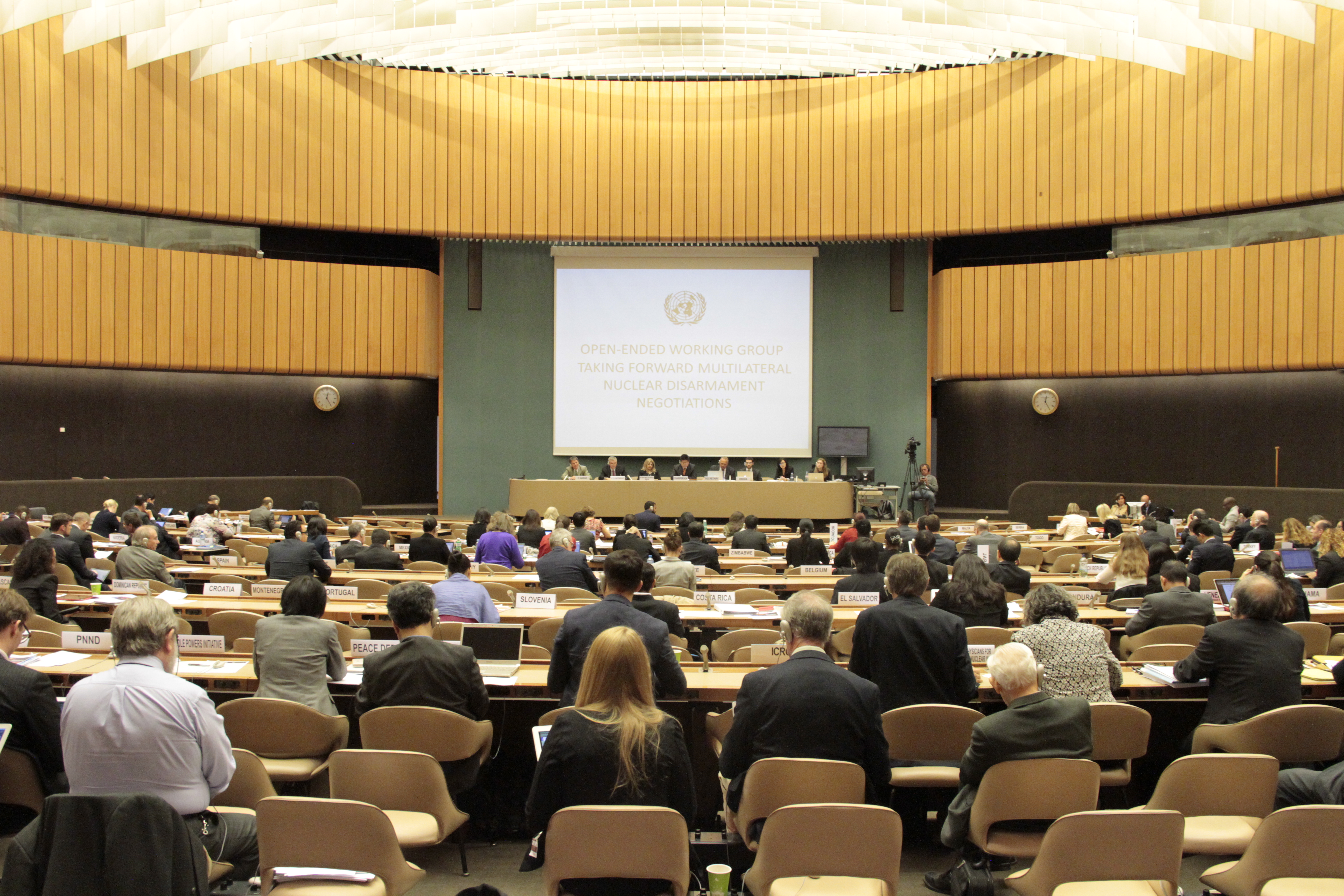
The new treaty is the third example of a series of universal “humanitarian” arms control instruments aiming at prohibiting entire categories of weapons, following the 1997 Ottawa Convention on anti-personnel mines (also known as the Mine Ban Treaty) and the 2008 Convention on Cluster Munitions (CCM), or Oslo Convention. After conferences on the humanitarian impact of nuclear weapons held in Oslo, Nayarit, and Vienna, two open-ended working groups (OEWG) were held in 2013 and 2016 to develop proposals to activate multilateral nuclear disarmament negotiations. Because of the latter working group, the United Nations General Assembly (UNGA) adopted, on 27 October 2016, a resolution calling on States to launch negotiations on a treaty banning nuclear weapons in 2017. Those negotiations took place in New York from 27 to 31 March and from 15 June to 7 July 2017.

In general, the structure and many clauses of the new treaty resemble much of its two predecessors. This is the case, for example, regarding the clause on victim assistance and environmental remediation, which will be discussed further below. Moreover, the involvement of civil society as well as victims of the use and testing of nuclear weapons in the preparatory phase and the negotiations towards the treaty are factors that had already led to the successful adoption of the Ottawa and Oslo Conventions.[2] Whereas the conclusion of the latter treaties has been favored by humanitarian motivations, in particular the numerous innocent victims, including children and women, caused by anti-personnel mines and clusters munitions until very long after the end of the actual combat actions,[3] it were in particular the moving testimonies of “hibakusha” — survivors of Hiroshima and Nagasaki — which helped civil society to push forward their goal of the prohibition of nuclear weapons based on humanitarian considerations.[4] And similarly to the movement against anti-personnel mines which was awarded the Peace Nobel Prize following the adoption of the Ottawa Convention in 1997,[5] the tireless efforts of the international coalition in favor of the adoption of the new treaty (International Campaign to Abolish Nuclear Weapons, ICAN) has been recognized with the same award in 2017.[6]

Needless to say, however, that the treaty is not yet legally binding with the adoption by 122 States that voted in its favor on July 7, 2017. From 20 September 2017 on,[7] it was open for signature to all States. On the same day, the treaty was signed by 53 States and already ratified by 3 States (Guyana, Holy See and Thailand).[8] It is expected that many States will express their support for the new treaty in the following months and years.[9] The treaty will formally enter into force 90 days after the 50th instrument of ratification, acceptance, approval, or accession has been deposited.[10] It is only with the entry into force that the obligations and rights flowing from the treaty will be legally binding upon States and—to a certain extent—upon individuals, particularly through criminalization imposed by the treaty.[11] It is hard to tell when this number will be reached, but it is likely that the numerous States that have supported the treaty will soon ratify it.

III. Potential Contribution of the New Treaty on Nuclear Arms Control

The new treaty is supposed to have an impact in two main ways. First, it will establish a norm prohibiting nuclear weapons and, second, it is expected to be the point of departure towards a world free of nuclear weapons. In addition, an innovative clause on victims’ assistance and environmental remediation has been included. These aspects of the treaty will be addressed in the present article. They are followed by some observations on the relationship of the new treaty with existing instruments.

A. Prohibition of Nuclear Weapons

Regarding the prohibition of nuclear weapons, Article 1 of the new treaty imposes a set of prohibitions with a view of eliminating the entire category of these weapons.[12] From our point of view, the most important is the ban on use. Surprisingly, the use of nuclear weapons has not explicitly been prohibited before, contrary to other, less destructive weapons. It is noteworthy to stress that, in accordance with Article 1, the signatory States agree “never under any circumstances” to engage in the activities prohibited.[13] In other words, those acts are forbidden not only vis-à-vis other signatory States, but also with respect to non-party States and even non-State actors, such as rebel groups or terrorists. Noteworthy is also letter (g) of Article 1 which prohibits a State allowing any stationing, installation or deployment of any nuclear weapons or other nuclear explosive devices in its territory or at any place under its jurisdiction or control.[14] This clause prohibits, for instance, NATO members to host their allies’ nuclear weapons on their territory.

Article 1 further prohibits threats to use nuclear weapons. Considered together with the ban on possession, this prohibition raises the question whether deterrence-based nuclear policies are prohibited by the new treaty. The negotiations held in New York did not reach a final conclusion on this point but it is undisputed that it was one of the main goals of civil society and States working towards the adoption of the new treaty to delegitimize decades-old policies relying on nuclear weapons.[15]

The entry into force of the Treaty is expected to be a truly unique moment in the history of nuclear weapons control because it will be the first time that a universal prohibition of nuclear weapons will be in place and legally binding. But what is probably even more relevant is the fact that a successful treaty might not only bind the ratifying States, but also third-party States by virtue of customary international law because of the “fundamentally norm-creating character” of the treaty.[16] Customary law is another source of international law—not less important than treaties—and is defined as “evidence of a general practice accepted as law.”[17] In other words, ratifications by States leading to a (quasi) universal treaty might, as relevant State practice, express a customary rule that also binds States that did not ratify the instrument.

According to the International Court of Justice (ICJ), the “States whose interests are specially affected”[18] must participate in the practice to create such a norm. From our point of view, it would be too easy to argue that the particularly interested States are necessarily the States possessing nuclear weapons. On the contrary, it may be argued that States not possessing nuclear weapons have a particular interest in creating the rule because their populations have been facing the risk and threat of nuclear weapons for decades to date.[19] In addition, it is also interesting to mention that the draft conclusions provisionally adopted by the drafting committee of the International Law Commission (ILA) concerning the identification of customary international law do not refer to the requirement of “States whose interests are specifically affected,”[20] contrary to what had initially been proposed by the Special Rapporteur, Michael Wood.[21]

The nuclear-armed States have also not only been completely absent from the negotiations, but certain among them, namely the US, UK and France, even issued a statement on the very day of the adoption of the treaty including the following paragraph:

“France, the United Kingdom and the United States have not taken part in the negotiation of the treaty on the prohibition of nuclear weapons. We do not intend to sign, ratify or ever become party to it. Therefore, there will be no change in the legal obligations on our countries with respect to nuclear weapons. For example, we would not accept any claim that this treaty reflects or in any way contributes to the development of customary international law.”[22]

It can be suggested that this statement aims at preventing the establishment of a customary rule as so-called “persistent objector.” According to this rule, a State which persistently objects to a rule of customary international law during the formative stages of that rule will not be bound by it when it comes into existence.[23] This rule is not undisputed.[24] The ICJ has admitted the concept of persistent objector only rarely, regarding universal customary law in the Anglo-Norwegian Fisheries case.[25] In this case, the question was whether the Norwegian system of delimiting the baselines of its territorial sea was contrary to international law. The Court concluded that, on the basis of the lack of a sufficient general and uniform practice, there was no rule prohibiting the drawing of straight baselines exceeding 10 miles in length across the mouth of bays, as argued by the United Kingdom. Without explicitly referring to the notion of “persistent objector,” the ICJ went on to hold that even if this 10-mile rule “had acquired the authority of a general rule of international law,” it would “appear to be inapplicable as against Norway inasmuch as she has always opposed any attempt to apply it to the Norwegian coast.”[26]

In light of this jurisprudence, it is important to stress that a persistent objector cannot hinder a customary norm to be established, but only avoid the application of the norm on its behalf. Moreover, if the rule to be created concerns a peremptory norm of international law (jus cogens),[27] it is applicable to all States and no State can pretend to be a persistent objector. It is argued here that the use of nuclear weapons can affect such norms and breach fundamental human rights that cannot be derogated from even in situation of emergency, such as the right to life, the prohibition of inhuman and degrading treatment or the prohibition of genocide.[28] The legal effect of the joint statement issued by the USA, UK and France is therefore limited.[29]

B. Nuclear Disarmament

A ban treaty was always considered only a first step towards the end goal of a world free of nuclear weapons.[30] Therefore, it is necessary to allow and encourage States possessing nuclear weapons to join the treaty, as reflected in Article 4, entitled “Towards the total elimination of nuclear weapons.”[31]

According to paragraph 1 of Article 4, a State Party that, after 7 July 2017, owned, possessed or controlled nuclear weapons or other nuclear explosive devices but eliminated its nuclear-weapon program and relevant facilities, prior to the treaty’s entry into force, shall cooperate with the international authority in charge of verifying the irreversible elimination of its nuclear-weapon program, with a view of concluding a safeguard agreement with the International Atomic Energy Agency (IAEA).[32] According to paragraph 2, a State Party that owns, possesses or controls nuclear weapons when it becomes Party to the treaty shall immediately remove them from operational status and destroy them as soon as possible, but not later than a deadline to be determined by the first meeting of States Parties as described in Article 8, in accordance with a legally binding, time-bound plan for the verified and irreversible elimination of its nuclear-weapon program and related facilities.[33] Such a plan has to be submitted to the States Parties or the mentioned international authority. The State must also conclude a safeguards agreement with the IAEA.[34] Finally, paragraph 4 addresses States that have nuclear weapons in their territory that are owned, possessed or controlled by another State.[35] Such States must ensure the prompt removal of those weapons.

In light of the statement made jointly by the USA, UK and France, mentioned above, it is not likely that nuclear-weapon states (NWS) will, in the near future, accept such a clause, which they did not agree upon or negotiate. Even though a signatory State is free to ratify treaties as an expression of its sovereignty,[36] the situation of nuclear disarmament, characterized by stagnation and unfulfilled promises for decades, is somehow special. Thus, the question of whether this joint statement, considering the total absence of States possessing nuclear weapons in the negotiations, runs counter to their duty to negotiate “in good faith” nuclear disarmament under Article VI of the Treaty on the Non-Proliferation of Nuclear Weapons (NPT), appears almost natural and would deserve being analyzed more in detail. In any event, and insofar as the new treaty can be considered a measure with a view to implementing Article VI NPT, civil society and States Parties to the new treaty that are also Parties to the NPT are expected to make use of the new treaty within the future NPT Review Conferences and their Preparatory Committees.

C. Victims Assistance and Environmental Remediation

The new treaty contains an unexpected clause on victim assistance and environmental remediation. This provision confirms the humanitarian nature and the victim-centered approach of the new treaty and must be read considering the preambular paragraphs.

Under Article 6 §§ 1 and 2, States are obliged to provide to individuals under their jurisdiction who are affected by the use or testing of nuclear weapons age- and gender-sensitive assistance and to provide adequate steps towards environmental remediation.[37] Several remarks should be noted about the clause on victim assistance and environmental remediation. First, considering the obvious differences between nuclear weapons and cluster munitions, in particular regarding the nature of the weapons and their impact on enemy combatants and civil populations, it might appear surprising that paragraph 1 on victim assistance has been taken almost unchanged from the Oslo Convention.[38] Second, the language of the clause is not limited to future use and testing, but it also covers past use and testing. Third, the primary responsibility for victim assistance and environmental remediation lies with the State on whose territory the use and testing has taken place. This fact is regrettable since many States affected by testing of nuclear weapons might not in a position to fulfill their obligations under Article 6 §§ 1 and 2. The Marshall Islands, for instance, which had been the theater of hundreds of nuclear tests, are hardly capable of providing adequate assistance to their victims and guaranteeing environmental remediation.

Nevertheless, paragraph 3 of Article 6 recalls that the obligations of any other State under international law or bilateral agreements shall remain unaffected.[39] It tempers somewhat the burden imposed primarily on the territorial States. In other words, and to mention just one example, the new treaty would be without prejudice to the reparation that the USA owes to the Marshall Islands based on the “Compact of Free Association” Agreement between the USA and the Marshall Islands concluded in 1983,[40] and in particular its subsidiary Section 177 Agreement establishing a $150 million Nuclear Fund as “a means to address past, present and future consequences of the Nuclear Testing Program.” [41]

The burden imposed on the territorial States is furthermore tempered by Article 7 on international cooperation and assistance. Paragraph 6 of Article 7 recalls that a State Party that has used or tested nuclear weapons shall have a responsibility to provide adequate assistance to affected States Parties, for the purpose of victim assistance and environmental remediation “without affecting any other duty or obligation that it may have under international law.”[42] In other words, a State Party to the new treaty that has used or tested nuclear weapons on the territory of a foreign State remains responsible under international law, in particular regarding the responsibility of States for internationally wrongful acts or for violations of international humanitarian law, human rights law, or environmental law.

D. Relationship with Other Agreements

Article 18 aims to harmonize the new treaty with existing instruments:

“The implementation of this treaty shall not prejudice obligations undertaken by States Parties with regard to existing international agreements, to which they are party, where those obligations are consistent with the treaty.”[43]

This clause gives priority to the new treaty over existing instruments in case of a conflict. For this reason, and considering the NPT as the cornerstone in the nuclear field, certain delegations were opposed to this clause and thus had difficulties to vote in favor of the treaty altogether.[44] The solution nevertheless seems compatible with general international law, in particular the principle of “lex posterior derogat legi anteriori” enshrined in the VCLT according to which a later treaty in principle prevails over an earlier one.[45]

Potential conflicts might arise, in particular, with the NPT and the Comprehensive Nuclear-Test-Ban Treaty (CTBT).[46] For example, whereas the Treaty on the Prohibition of Nuclear Weapons broadly prohibits “test[ing]” nuclear weapons[47] without further defining this expression, the CTBT prohibits “any nuclear weapon test explosion or any other nuclear explosion.”[48] It may be argued that tests not involving an explosion, such as sub-critical tests and computer-simulated tests, would a priori fall undRietiker_ILJ59er the new treaty but not under the CTBT. It might therefore have been worth defining the most important expressions, as it was the case in earlier treaties.[49]

IV. Conclusions

The interpretation and implementation of the nuclear ban treaty is likely to lead to some problems due to the lack of definitions and its coexistence with other treaties. It is obvious and justified that a straightforward treaty and a quick success were, considering the decades of stagnation in nuclear disarmament, more important than a treaty with full legal coherence and accuracy.

Our assessment is nevertheless positive: first, the treaty on prohibition of nuclear weapons has a norm-building nature; second, the treaty creates new momentum for disarmament and is likely to put more pressure on NWS and their allies; and third, the very open and participatory process leading to the treaty is also a victory for democracy and equality among States.

After anti-personnel mines and cluster munitions regimes, it is a welcoming fact that nuclear arms control has also taken a human-centered approach, replacing the security considerations of certain privileged States, even though the practical relevance and implementation of victim assistance and environmental remediation will largely depend on the good faith of all State Parties.


* Daniel Rietiker holds a PhD from the University of Lausanne and a Master’s in International Relations from the Geneva Graduate Institute of International and Development Studies. He teaches international and human rights law at the University of Lausanne and Suffolk University Law School (Boston MA). In 2014, he conducted research at Harvard Law School that he published in Humanization of Arms Control: Paving the Way for a World Free of Nuclear Weapons (2017).

[1] Treaty on the Prohibition of Nuclear Weapons, 7 July 2017 (not yet in force).

[2] See, for the preparatory history of the Ottawa and Oslo Conventions, Daniel Rietiker, Humanization of Arms Control, Paving the Way to a World Free of Nuclear Weapons, 20–27 (2017) and of the new treaty, id. at 259–267, and for a comparison, id. at 283–284.

[3] Id. at p. 33.

[4] See, in this regard, Treaty on the Prohibition of Nuclear Weapons, supra note 1, at preambular paragraph 6: “The States Parties to this Treaty (…) mindful of the unacceptable suffering of and harm caused to the victims of the use of nuclear weapons (hibakusha), as well as of those affected by the testing of nuclear weapons.”

[5] All Nobel Peace Prizes, NobelPrize.org, available at https://www.nobelprize.org/nobel_prizes/peace/laureates/ (last visited Dec. 7, 2017).

[6] Nobel Peace Prize 2017, International Campaign to Abolish Nuclear Weapons, http://www.icanw.org/action/nobel-peace-prize-2017-2/ (last visited Dec. 7, 2017).

[7] Treaty on the Prohibition of Nuclear Weapons, at Art. 13, adopted Jul. 7, 2017, U.N. Doc. A/CONF.229/2017/8, available at http://undocs.org/A/CONF.229/2017/8.

[8] Signature/ratification status of the Treaty on the Prohibition of Nuclear Weapons, International Campaign to Abolish Nuclear Weapons, http://www.icanw.org/status-of-the-treaty-on-the-prohibition-of-nuclear-weapons/ (last visited Dec. 7, 2017).

[9] Even though the signature by States does not bring the treaty into force, it is the moment where the treaty starts to have certain legal effects; in particular, States that have signed are not supposed to run counter the object and purpose of the treaty. Vienna Convention on the Law of Treaties (VCLT), Art. 18, adopted May 23, 1969, 1155 U.N.T.S. 331.

[10] Treaty on the Prohibition of Nuclear Weapons, supra note 1, at Art. 14, 15(1).

[11] Id. at Art. 5(2).

[12] See generally John Burroughs, Key Issues in Negotiations for a Nuclear Weapons Prohibition Treaty, 47 ARMS CONTROL TODAY (2017), at 6–13, available at https://www.armscontrol.org/act/2017-06/features/key-issues-negotiations-nuclear-weapons-prohibition-treaty.

[13] Treaty on the Prohibition of Nuclear Weapons, supra note 1, at Art. 1.

[14] Id.

[15] See Chairman Ambassador Whyte’s declaration made during a press conference after the treaty’s adoption: “It is true that there was an important discussion about the inclusion of the issue of threat of use. So, it was finally agreed by the conference that Article 1 should include a prohibition to use or to threaten to use nuclear weapons, in the understanding that the threat of use lies at the heart of deterrence and the current security paradigms that the world started after 1945 when the bomb, the nuclear power, was created,” available at https://www.youtube.com/watch?v=lwTEx1jixSE, (time stamp 15:02 onwards).

[16] See North Sea Continental Shelf Cases (Germany v. Denmark; Germany v. Netherlands), Judgment, 1969 I.C.J. Rep. 3 (Feb. 20, 1969), § 72; see also Asylum Case (Colombia v. Peru), Judgment, 1950 I.C.J. Rep. 6, at 277–78 (Nov. 20, 1950).

[17] Statute of the International Court of Justice, at Art. 38, ¶ 1.

[18] North Sea Continental Shelf Cases, supra note 16, at § 74.

[19] See in this sense the dissenting opinion of Judge Shahabuddeen in the 1996 Advisory Opinion of the ICJ on the Legality of the Threat or Use of Nuclear Weapons: “Where what is in issue is the lawfulness of the use of a weapon which could annihilate mankind and so destroy all States, the test of which States are specially affected turns not on the ownership of the weapon, but on the consequences of its use. From this point of view, all states are equally affected, for, like the people who inhabit them, they all have an equal right to exist” (ICJ Reports 1996, p. 226, at ¶ 414). See also Maya Brehm, Whose Security is it Anyway? Towards a Treaty Prohibition of Nuclear Weapons, EUR. J. INT’L L. BLOG (May 31, 2016), available at
https://www.ejiltalk.org/whose-security-is-it-anyway-towards-a-treaty-prohibition-of-nuclear-weapons/.

[20] See Int’l Law Comm’n Rep. on the Work of its Sixty-Eighth Session, U.N. Doc. A/CN.4/L.872, at Draft Conclusion 8[9] (2016).

[21] See Int’l Law Comm’n Rep. on the Work of its Sixty-Sixth Session, U.N. Doc. A/CN.4/672, at §§ 54-59 (2014).

[22] Joint Press Statement from the Permanent Representatives to the United Nations of the United States, United Kingdom, and France Following the Adoption of a Treaty Banning Nuclear Weapons, United States Mission to the United Nations (July 7, 2017), available at https://usun.state.gov/remarks/7892.

[23] Olufemi Elias, Persistent Objector, Max Planck Encyclopedia of Public International Law, at 1, available at http://opil.ouplaw.com/view/10.1093/law:epil/9780199231690/law-9780199231690-e1455?prd=EPIL.

[24] Id.

[25] Anglo-Norwegian Fisheries Case (UK v. Norway), Judgment, 1951 I.C.J. Rep. 3, at 131 (Dec. 18, 1951).

[26] Id.

[27] See VCLT, supra note 9, at Art. 53, 64.

[28] See generally Rietiker, supra note 2, at 173–95.

[29] In a statement made a few days before the opening for signature of the new treaty (September 20, 2017), the Ministry of Foreign Affairs of the Russian Federation, another nuclear-weapon state (NWS), declared that it would not sign the treaty stressing that it would be contrary to its national interests; see statement (in Russian) in Kommersant (Sept. 12, 2017), available at https://www.kommersant.ru/doc/3409219.

[30] See, e.g., 2016 Open-ended Working Group (OEWG), § 35, available at
https://documents-dds-ny.un.org/doc/UNDOC/GEN/N16/276/39/PDF/N1627639.pdf?OpenElement.

[31] Treaty on the Prohibition of Nuclear Weapons, supra note 1, at Art. 4.

[32] Id. at Art. 4(1).

[33] Id. at Art. 4(2).

[34] Id. at Art. 4(3).

[35] Id. at Art. 4(4).

[36] See VCLT, supra note 9, at Art. 34.

[37] Treaty on the Prohibition of Nuclear Weapons, supra note 1, at Arts. 6(1), 6(2).

[38] Convention on Cluster Munitions (CCM), at Art. 5, adopted May 30, 2008, CCM/77.

[39] Treaty on the Prohibition of Nuclear Weapons, supra note 1, at Art. 6(3).

[40] The Compact of Free Association, US-Marsh. Is., June 25, 1983, 99 Stat. 1770 (1986). The agreement was amended on April 30, 2003, but Section 177 and its subsidiary agreement remained unchanged.

[41] Agreement between the Government of the United States and the Government of the Marshall Islands for the Implementation of Section 177 of the Compact of Free Association pmbl.

[42] Treaty on the Prohibition of Nuclear Weapons, supra note 1, at Art. 7(6).

[43] Id. at Art. 18. This clause is inspired the Arms Trade Treaty (ATT), at Art. 26, adopted Apr. 2, 2013, A/CONF.217/2013/L.3.

[44] One example of such a delegation is Switzerland.

[45] See VCLT, supra note 9, at Arts. 30(3), 30(4).

[46] Comprehensive Nuclear-Test-Ban Treaty (CTBT), adopted Sep. 17, 1996, U.N. Doc. A/50/1027.

[47] Treaty on the Prohibition of Nuclear Weapons, supra note 1, at Art. 1(1)(a).

[48] CTBT, supra note 46, at Art. 1(1).

[49] According to a first assessment by Stuart Maslen, there is no necessary conflict between the new treaty and the NPT (Stuart Maslen, The Relationship of the 2017 Treaty on the Prohibition of Nuclear Weapons with other Agreements: Ambiguity, Complementarity, or Conflict?, EUR. J. INT’L L. BLOG (2017)).

Content, Online Scholarship

The Enforcement of Foreign Arbitration Awards in Vietnam: Overview and Criticisms

[PDF]

By Nadia Dridi*

The purpose of this article is to present an overview of the changes in Vietnam’s legal framework with regard to the enforcement of foreign arbitral awards and to emphasize the most urgent issues Vietnam needs to amend or to legislate on.


I. Introduction

Arbitration is a relatively new sphere of the Vietnamese legal system. International arbitration was first incorporated into Vietnam’s positive law in 1995 with the Ordinance on Recognition and Enforcement of Foreign Arbitration Awards dated 14 September 1995. This Ordinance was adopted in response to the ratification of the New York Convention on 12 September 1995.[1] Thereafter, the Ordinance on Commercial Arbitration was issued on 25 February 2003, only to be abrogated by Law No. 54 of 17 June 2010 on Commercial Arbitration, which took effect on 1 January 2011.[2] Divided into eighty-one articles, Law No. 54 regulates national and international arbitration and constitutes a consolidated and a relatively complete corpus for the recourse to arbitration and the enforcement of its awards.

In a bid to set up a clearer legal framework for the enforcement of foreign arbitral awards, the Vietnamese legislature issued in 2014 a Resolution[3] providing guidance on the interpretation of some provisions of the Law on Commercial Arbitration. Another notable effort along these lines was the replacement of the Civil Procedure Code (CPC) 2004[4] by Civil Procedure Code 2015,[5] which came into force on 1 July 2016 and sought to clarify certain provisions of the earlier CPC, as discussed below.

Although Vietnam has made great progress and has shown genuine efforts of alignment with international laws and standards, further efforts are needed to improve the enforceability of foreign awards. This article explores some of the challenges facing Vietnamese enforcement of arbitral awards.

II. The Weak Enforcement of Foreign Awards

The last few years have witnessed great development of the arbitration legal framework in Vietnam, particularly regarding the enforcement of foreign awards. A foreign arbitration award[6] is defined as “an award rendered by foreign arbitration either inside or outside the territory of Vietnam.”[7] Only final arbitral awards that were not set aside by the foreign country’s Court of the seat of arbitration are subject to enforcement in Vietnam.[8] The enforcement of such awards must be recognized and approved by the People’s Court of Vietnam.[9] However, practice has shown that Vietnamese courts are reluctant to enforce arbitration awards.

A. An Overview of the Enforcement of Foreign Awards

A significant disparity persists between the Vietnamese courts’ enforcement of domestic awards and foreign awards. Indeed, Nguyen The Duc Tam and Nguyen Thi Thuy Linh reported in their article disturbing statistics communicated by the Supreme People’s Court.[10] It appears that between 2005 and 2014, fifty-two requests were submitted for recognition and enforcement of foreign arbitral awards. However, the Court accepted only twenty-eight requests, or just over half of those that were submitted.
This issue has also been raised by the Investment and Trade Working Group in a report[11] presented by Mr. Fred Burke[12] in 2015. The report highlighted the alarmingly weak enforcement of international arbitration awards in Vietnam. It also cited the broad provisions of the CPC as one of the main reasons for such weak enforcement. Indeed, Article 439, previously Article 370 in the 2004 CPC, sets out the grounds on which a court shall not recognize or enforce a foreign arbitral award, including inconsistency with the “basic principles of law of the Socialist Republic of Vietnam.”[13]

B. The Broad Interpretation of the Courts

Since no further legislative guidance has been given regarding the interpretation of this provision, inconsistency with basic Vietnamese legal principles has become “one of the bases Vietnamese courts most commonly cite as the reason for declining to recognize a foreign arbitration award,”[14] and, a fortiori, for declining to enforce such an award. The main problem resides in the court’s interpretation of what constitutes the basic principles of Vietnamese law. The courts have complete discretion in determining what can be considered to be against the basic principles of Vietnamese law; such discretion leads to a broad array of outcomes. For instance, in the case Energo-Novus v. Vinatex, the Supreme People’s Court refused to recognize a foreign award on the basis that the Russian arbitration tribunal, by refusing to admit a notarized document submitted by the Vietnamese party, violated a Vietnamese governmental decree.[15] In another case, the Vietnamese courts also considered the failure of the foreign party to register for a foreign contractor permit for construction, in accordance with the requirements of a Vietnamese ministerial circular, to constitute a violation of the basic principles of Vietnamese law.[16]

In most recent cases, the Vietnamese courts gave an even broader definition of the basic principles of Vietnamese law, which lead to a re-examination of the merits of the awards. Indeed, the courts cited provisions of the primary legislation,[17] and sometimes even of the secondary legislation,[18] for declining to enforce a foreign award. Such refusal was based on a revisitation of the merits and their compliance with the Civil Code, the Commercial Law and sometimes even procedural rules of Vietnamese Courts.[19] For example, in Toepfer v. Sao Mai, the Court considered that the failure of the foreign party to mitigate its loss represented a violation of “the basic principles of Vietnamese law”[20] as it was considered a violation of the provisions of the Civil Code.[21]

C. The Re-Examination of the Merits

The analysis of the merits of foreign arbitral awards by Vietnamese courts can be considered, to a certain extent, a violation of the principle of ne bis in idem.[22] Indeed, the International Covenant on Civil and Political Rights provides that no one should be tried twice for the same offence of which he has been either convicted or acquitted.[23]

By recognizing the competence of arbitral institutions, whether national[24] or international,[25] as judicial institutions, Vietnamese tribunals have transferred their judicial competence to duly-established arbitrations. This transfer of competence is supported by language in the Resolution stating that Vietnamese courts shall not examine disputes that fall under an arbitration agreement.[26] Moreover, the legislature strengthened this prohibition by imposing on the Court the responsibility of verifying that parties to a dispute have not entered into an arbitration agreement before considering the dispute.[27]

Consequently, re-opening a trial on a case that has already been resolved by arbitration would mean re-examining the same case within the same jurisdiction. Thus, it would be legitimate to conclude that the court is incompetent to judge such cases. By re-examining the merits of a case that has already been decided by arbitrators, the court is violating the international principle of ne bis in idem.

A revisitation of the merits of a case, combined with other noted misapplications of the Law in Vietnam, generates uncertainty around the enforcement of foreign arbitral awards and contributes to unpredictability in Vietnamese courts. Such unpredictability can only result in driving away investors.

III. The New Guidance on Awards Enforcement

To provide further guidance and clarify the interpretation of the basic principles of Vietnamese law, the Supreme People’s Court issued a Resolution in 2014 requiring Courts to take a more restrictive approach towards awards enforcement.[28]

A. The Definition of “Basic Principles”

The Resolution defines the basic principles of Vietnamese law as ” basic principles on conducts, of which effects are most overriding in respect of the development and implementation of Vietnamese Law.”[29] It also adds the condition that the violation of these principles shall not only represent an inconsistency of the Tribunal with the said provisions in making the award but also a violation of “the interests of the government, (and/or) the legitimate rights and interests of third party or parties.”[30]

This Resolution marks a great effort to correct the interpretation of Vietnamese Courts to prevent Courts from failing to enforce an award on the ground of a violation of “the basic principles of Vietnamese Law.” Nevertheless, this improvement is not yet enough to ensure the consistent enforcement of foreign awards in Vietnam. Even though the definition of the basic principles has been made clearer, it remains vague enough to allow an important number of refusals of enforcement or recognition of foreign awards.

B. The Notion of “Public Policy”

Instead of issuing a new resolution that would further clarify the definition of “basic principles of Vietnamese law,” it seems more appropriate to supplant such notion with the commonly understood notion of “public policy.” In such a case, and in the words of Justice Cardozo, the non-enforcement of an award would require such award to “violate some fundamental principle of justice, some prevalent conception of good morals, some deep-rooted tradition of the common weal.”[31] Such an approach would considerably limit the cases of non-enforcement of foreign awards since the violation would have to be substantial enough to threaten the “public policy.”

In fact, Article 439 of the CPC represents a bifurcation vis-a-vis the international consensus. Article 439 came as a transposition of Article V of the New York Convention with some alterations, one of which being the reference to basic principles of Vietnamese law as a ground for non-enforcement of foreign awards. Indeed, most other parties to the New York Convention only consider manifest incompatibility with public policy when reviewing the merits of the awards.[32] Consequently, the insertion of the notion of “public policy” would not only guarantee a more effective enforcement, but would also align the Vietnamese legislation with international laws.

III. The Reform Brought by the New CPC

The reform effort did not stop there. The Vietnamese legislature, aware of the foreign award enforcement issue, promulgated a new Civil Procedure Code that came into effect on 1 July 2016 and amended the 2004 CPC.

A. An Effort of Clarification

This new code brings many changes to solve the particular difficulties of foreign awards enforcement in Vietnam. First, the Code modifies its earlier repartition by dedicating a part to the procedure for recognition and enforcement of foreign awards. It also aligns its provisions with the New York Convention through a few modifications. For instance, it adds a terminological clarification by replacing the term “arbitral decision” with “arbitral award.”[33] The 2004 CPC made no distinction between those two terms, using the terms interchangeably, while the Law on Commercial Arbitration draws a clear distinction. Indeed, Article 3 of this Law defines the arbitral decision as a decision of the arbitration tribunal during the dispute resolution process, when an arbitration awards is defined as a decision of the arbitration tribunal resolving the entire dispute and terminating the arbitration process. This adjustment aligns the Code’s definition not only with the Law on Commercial Arbitration but also with international law.

B. The Silence of the Provisions

The new CPC also corrects the absence of a clear time limitation for application for the enforcement of foreign arbitral awards. Since the old code remained silent on this matter, the Court applied the time bar for general civil cases of one year.[34] The new Code solved this problem by determining a clear limitation of three years starting from the date the foreign arbitral award takes effect.[35] This effort must be appreciated since it reveals the legislature’s intent to ensure access to the enforcement right by granting it a longer time period than for ordinary law.

The old Code was also silent regarding the determination and the provision of foreign law, thus leaving it to the entire discretion of the Court. This new Code addressed this matter by providing that the civil party who chose a foreign law to be applied has the obligation to provide its contents.[36] It also addresses of the protocol of how to apply such contents when the parties fail to determine the applicable law.[37] Another notable omission of the old Code concerns the burden of proof. By default, in the absence of provisions, it was placed against the award creditor,[38] which was in total contradiction with the New York Convention.[39] It is henceforth placed against the award debtor.[40]

One of the primary reasons for the weak enforcement of foreign awards in Vietnam is the insufficient regulation that allowed too much room for the Courts’ interpretation. Addressing these issues and legislating on them with clarity lessens the risks of non-enforcement.

C. A Matter of Time

The new code makes the two-step procedure, in the absence of provisions in the old CPC only applicable for parties to an international treaty of which provisions expressly require to first submit the application to the Ministry of Justice. In this procedure, the application is first to be submitted to the Minister of Justice in Step 1 and then to the competent court in Step 2. In the absence of such provisions, creditors can submit their applications directly to the competent Court. Such simplification of the procedure ensures the celerity of the resolution.

The alarming record of non-enforcement cases was also due to the fact that the High Court gave final decisions on recognition or non-recognition of foreign arbitral awards without any higher level of review. The new code allows a reconsideration of the decision by the Supreme People’s Court under a cassation or reopening procedure.[41] Such amendment can only be appreciated but a few additional changes are needed. Granting for the possibility of an appeal is a protection that will improve the chances of arbitral award enforcements. Nevertheless, the cassation or re-opening procedures in Vietnam suspend the enforcement of judgments. Such suspension nullifies one of the main benefits of the recourse to arbitration, namely the celerity of the procedure. The use of arbitration is, most of the time, driven by the fact that it leads to a speedier resolution than a proceeding in Court. The possibility of appealing the recognition or non-recognition decision is a double-edged sword since both of the parties can initiate the appeal. In that case, if the creditor finally obtains the recognition of the award, the debtor’s appeal will extend the procedure. Such consequence can also be a motive for dilatory procedure tactics. More concretely, the debtor can be tempted to protest against the judgment only in order to delay the final recognition decision and thus the enforcement of the arbitral award. The remedy to this issue would be that the appeal of a recognition or a non-recognition award has no suspensive effect, and that dilatory procedures are strictly sanctioned.

D. The Application System

Also of note is the adversarial system of the applications.[42] Their consideration can only be conducted with the presence of both parties or their lawful representatives. Without conducting a retrial, the Court examines the documents but also listens to the opinions of the creditor and the debtor. This also has a dilatory effect with a risk, in practice, of creating an ersatz of a retrial. In order to comply with the New York Convention, numerous country members have opted to an enforcement application upon a simple request to the Court. Since Vietnam has shown great efforts of alignment with international laws, such amendment would be written in the continuity of the improvement and compliance work of the Vietnamese legislature.


* Nadia Dridi holds a Bachelor of Laws from Université Jean Monnet de Saint-Etienne, in France, after also studying at Université Libre de Tunis, in Tunisia. She has a Master’s degree in International Business Law from Université Paris II Panthéon-Assas, a Master’s degree in International Comparative Law from the Royal University of Law and Economics of Phnom Penh (Cambodia) and is currently enrolled in an LLM program in Advanced International Business Litigation at Université Paris-Est (UPEC), in Paris, France.

[1] Ordinance on Recognition and Enforcement of Foreign Arbitral Awards in Vietnam, No. 42-L/CTN (Sept. 14, 1995); see also Convention on the Recognition and Enforcement of Foreign Arbitral Awards (“New York Convention”), Jun. 10, 1958, 21 UST 2517.

[2] Luật Trọng tài thương mại [Law on Commercial Arbitration], No: 54-2010-QH12 (June 17, 2010).

[3] Hướng dẫn thi hành một số quy định Luật Trọng tài thương mại [Resolution Guiding the Implementation of Certain Provisions of Law on Commercial Arbitration], No. 01/2014/NQ-HDTP (Mar. 20, 2014).

[4] Bộ Luật Tố Tụng Dân Sự [Civil Procedure Code], No. 24/2004/QH11 (June 15, 2004).

[5] Bộ Luật Tố Tụng Dân Sự [Civil Procedure Code], No. 92/2015/QH13 (Nov. 25 2015).

[6] A “foreign arbitration award” (i.e., a determination on the merits, analogous to a verdict in a court of law) is to be distinguished from an “arbitration decision” (i.e., a determination on the substance of the dispute during the course of the arbitration) which was used in lieu of the term “arbitral award” in the CPC 2004.

[7] Law on Commercial Arbitration, supra note 2 at Art. 3(12).

[8] Civil Procedure Code, supra note 5 at Art. 424 (former Art. 343).

[9] Id. at Art. 425 (former Art. 344).

[10] See Nguyen The Duc Tam and Nguyen Thi Thuy Linh, “Vietnam Case Update: Recognition and Enforcement of Foreign Arbitral Awards (Realogy Group LLC v. Minh Viet Investment JSC)” International Arbitration Asia (Apr. 1, 2016), available at  http://www.internationalarbitrationasia.com/vietnam_recognition_and_enforcement_of_foreign_arbitral_awards

[11] The yearly report of the Investment and Trade Working Group, Vietnam Business Forum, Fred Burke, 2015. Mr. Fred Burke is the co-chairman of the Investment and Trade Working Group and the Managing Partner of Baker McKenzie (HCMC).

[12] Mr. Fred Burke is Managing Partner of Baker McKenzie in Vietnam.

[13] Civil Procedure Code, supra note 5 at Art. 439(8).

[14] The 2015 report of the Investment and Trade Working Group, Vietnam Business Forum, Fred Burke, p.1, 2015.

[15] Energo-Novus Co (Russia) v Vietnam Textile Corporation (Vinatext), Case No. 58, Decision of the Appellate Court of the Supreme People’s Court of Vietnam in Hanoi (May 16, 2000).

[16] Tyco Services Singapore Pte Ltd v. Leighton Contractors (VN) Ltd, Decision No. 02/PTDS, Decision of the Appellate Court of the Supreme People’s Court in Vietnam in Ho Chi Minh City (Jan. 21, 2003).

[17] These include Acts of Parliament or statutes.

[18] This is also called delegated legislation, and consists of the granting of law-making powers to a branch of the government. It is used to add information or make changes to an existing Act of Parliament.

[19] See, e.g., Toepfer v. Sao Mai, Decision of the Appellate Court of the Supreme People’s Court in Vietnam in Hanoi (2011).

[20] Id.

[21] Civil Procedure Code, supra note 5 at Art. 362.

[22] Nebis in idem is a legal principle equivalent to double jeopardy. It signifies that no legal action can be instituted twice for the same cause of action.

[23] International Covenant on Civil and Political Rights (ICCPR), Dec. 16, 1996, S. Treaty Doc. No. 95-20, 6 I.L.M. 368 (1967), 999 U.N.T.S. 171, Art 14(7).

[24] Law on Commercial Arbitration, supra note 2.

[25] See, e.g., New York Convention on the Recognition and Enforcement of Foreign Arbitral Awards, June 10, 1958, 330 U.N.T.S. 38 (1959). Vietnam also holds investment bilateral treaties (BIT) with 62 countries to this effect.

[26] Resolution, supra note 3, at Art. 2.

[27] Id.

[28] Resolution No 01/2014/NQ-HDTP Guiding the Implementation of Certain Provisions of Law On Commercial Arbitration, dated 20 March 2014.

[29] Id. at Art 14(2)(dd).

[30] Id.

[31] Loucks v. Stand. Oil Co. of New York, 120 N.E. 198, 200 (N.Y. 1918).

[32] See, e.g., Code de Procédure Civile, [Code of Civil Procedure] [Fr.], at Art. 1514; see also Thalès Air Defence BV v. GIE Euromissile, Cour d’Appel [CA] Paris, 1e ch., sec. C, Nov. 18, 2004, No. 02-19606 (Fr.); A v. R (Arbitration: Enforcement), [2009] 3HKLRD 389; Karaha Bodas Co., LLC v Perusahaan Pertambangan Minyak Dan Gas Bumi Negara (Pertamina), 500 F.3d 111 (2d Cir. 2007); Hebei Imp. & Exp. Corp. v Polytek Eng’g Co. Ltd., 2 HKC FAR 111 (2009); Case no. 2207/09.6TBSTB.E1.S1, Supremo Tribunal de Justiça (Port.) (Jan. 20, 2011); Case no. 5961/09.1TVLSB.L1.S1, Supremo Tribunal de Justiça (Mar. 10, 2011).

[33] The New York Convention explicitly mentions the term “arbitral award” and specifies in Article I.2 that “The term “arbitral awards” shall include not only awards made by arbitrators appointed for each case but also those made by permanent arbitral bodies to which the parties have submitted.” New York Convention, supra note 1 at Art. I.2.

[34] Cargill v. Dong Quanfg, Decision No 01/2014/QDST-KDTM of the People’s Court of Long An Province (2014); see also Decision No. 08/2015/QDST-KDTM of the Appellate Court of the Supreme People’s Court in Ho Chi Minh City (2015) (upholding Cargill v. Dong Quanfe).

[35] Civil Procedure Code, supra note 5 at Art. 451.

[36] Civil Procedure Code, supra note 5 at Art. 481-1.

[37] Id.

[38] In the absence of provisions in the old Code of Civil Procedure.

[39] New York Convention, supra note 1 at Art V.1.

[40] Civil Procedure Code, supra note 5 at Art. 459(1).

[41] Id. at 462(6).

[42] Id. at Art. 458.

Content, Online Scholarship

The Renco Group, Inc. v. Republic of Peru: An Assessment of the Investor’s Contentions in the Context of Environmental Degradation

[PDF]

By Giovanna Gismondi*

On July 2016, a Partial Award dismissed the Renco Group Inc. v. The Republic of Peru case. The Award indicated, however, that a new arbitration claim could be pursued against the State. In view of this, this essay analyzes the US investor’s legal contentions presented in the 2014 Memorial of Liability. The examination of this case considers the environmental and health effects of the investment in order to give proper weight to the arbitration claim. Due to weak environmental references to the 2006 US-Peru Trade Promotion Agreement (PTPA), this paper emphasizes the importance of striking a fair balance between the protection afforded to foreign investments and the state’s ability to protect health and the environment. This case represents the first investor-State arbitration dispute lodged pursuant to the PTPA.


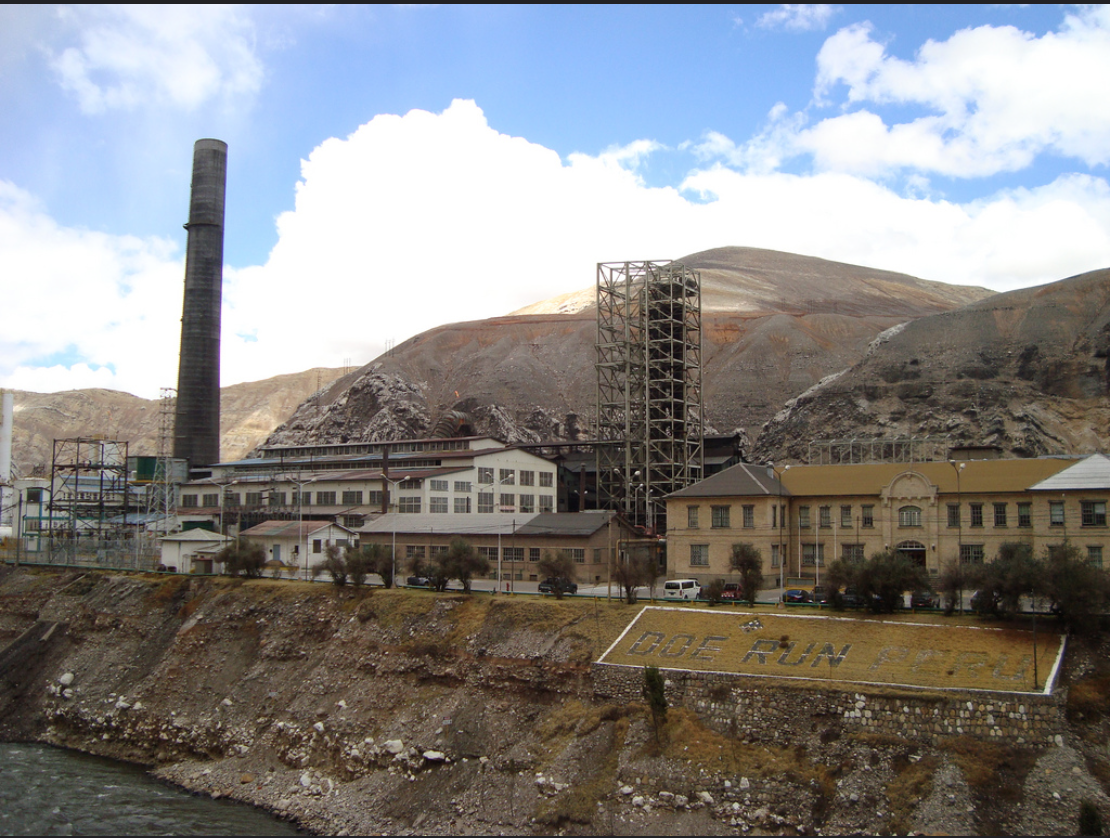
On 15 July 2016, a UNCITRAL Tribunal (the Tribunal) released a partial Award dismissing the case concerning the Renco Group Inc. v. The Republic of Peru.[1] The claim was submitted pursuant to the U.S.-Peru Trade Promotion Agreement (PTPA) signed in 2006.[2] The dispute concerns the operation of a metallurgical complex located in the Andean town of La Oroya, in central Peru. The complex, built in 1921 by a third private party, had, over the course of several decades, become outdated and was identified as the main source of air, soil, and water contamination. Sulfur dioxide (SO2) and lead are among the main sources of contamination generated by the complex.[3] Studies carried out in La Oroya highlighted the toxicity and hazardousness of lead, which mostly affected children (as shown by high levels of lead in their blood).[4] The problem was exacerbated by severe malnutrition among children, which increased the risk that children’s bodies would absorb more pollutants from the environment.[5] Sulfur Dioxide, additionally, damaged the respiratory and circulatory systems, increasing mortality especially when found in high concentrations, as it was in La Oroya.[6]

This led Peru to seek an investor willing to purchase and modernize the plant to meet Peru’s environmental goals. This was no easy task, as most investors are very hesitant to purchase a complex with such potential for environmental liability. Environmental disputes can indeed result in a tangle of litigation.[7] Despite these challenges, Doe Run Peru (DRP), a Peruvian subsidiary of New York-based Renco Group Inc. (Renco), purchased the complex from Centromin, a Peruvian State-run company, in 1997 for 247 million dollars (USD).[8] In addition to the purchase agreement, DRP agreed to carry out nine modernization projects at a cost of USD 129 million.[9] Problems arose during the execution of projects by DRP, which led the investor to trigger international arbitration against Peru.

Chapter 10 of the PTPA recognizes a foreign investor’s right to initiate arbitration proceedings against the host state for an alleged breach of rights as recognized by the PTPA, along with provisions contained in either an Investment Agreement and/or Authorization.[10] This treaty, like most investment treaties, contains few environmental references. The PTPA makes reference to environmental protection as an objective of the treaty in the Preamble.[11] In practical terms, however, arbitral tribunals do not rely on the preamble to influence interpretation of the treaty’s text.[12] And even though the PTPA states that the dispute shall be decided “in accordance with this Agreement and applicable rules of international law;”[13] the practice of most tribunals is to rely on the treaty’s plain language without importing “legal elements from other treaties.”[14] Furthermore, investment treaties state the rights of foreign investors in such broad terms that tribunals are left with discretion to determine their actual content as they examine the factual basis of a given case.[15] This has led to inconsistent interpretations in international investment law.[16] Note that international investment tribunals do not enforce the host state’s environmental or health laws. Nor can the state lodge counter claims against a foreign investor.

However, the PTPA leaves room for states to achieve environmental policy goals, notwithstanding limitations. Art. 10.11 provides that:

Nothing in this Chapter shall be construed to
prevent a Party from adopting, maintaining, or enforcing any measure otherwise consistent with this Chapter that it considers appropriate to ensure that investment activity in its territory is undertaken in a manner sensitive to environmental concerns.[17]

The above provision allows the state to adopt and enforce measures that take the environment into account as long as such measures are consistent with protections afforded to investors and their investments under the PTPA. Obviously, this requirement could be used to weaken the state’s power to increase environmental protections without breaching investment protections. The Renco submission depicts a case concerning enforcement measures adopted by Peru in the mist of an environmental crisis, allegedly in breach of investment standards. The claim, however, was stunted on jurisdictional grounds.

I. Analysis of the 2006 Partial Award on Jurisdiction

The Award dismissed Renco’s claim on jurisdictional grounds due to its failure to submit a valid waiver. According to art. 10.18.2 (b) of the PTPA, the foreign investor must submit a waiver together with a Notice of Arbitration (or request for arbitration) to the Respondent State. The Tribunal reiterated that by means of a written waiver, the foreign investor waives the right to pursue legal proceeding in local courts, and any other forum for the settlement of disputes concerning the alleged violation(s).[18] The case records show Renco introduced a declaration to the waiver provision reserving the right to bring the matter to another forum “for a resolution on the merits” if the present claim were to be dismissed or declared inadmissible.[19] The Tribunal concluded that such declarations are contrary to the object and purpose of the waiver provision, which was designed to avoid parallel or subsequent procedures.[20] Consequently, the claim was dismissed. The Tribunal further stated that Renco could commence a new arbitration with a ‘clean’ waiver.[21] However, submitting a new claim might trigger other jurisdictional problems.[22] It is also important to consider that the PTPA became effective on 1st February 2009 and is prospectively applicable from that date. Therefore, some of Renco’s complaints, which may date back to 1997, fall outside the Tribunal’s jurisdiction. There remain, however, disputes that are within the temporal scope of the Tribunal, such as alleged unlawful expropriation claims and breach of the right to Fair and Equitable Treatment (FET).

II. Renco’s Main Contentions as per the 2014 Memorial of Liability

This paper now turns to the issue of expropriation as presented by Renco in the 2014 Memorial of Liability.[23] A short introduction to Renco’s investment is helpful to understand the dispute. In 1997, DRP purchased the complex from Centromin, and as a result, an investment contract referred to as a Stock Transfer Agreement (STA) was signed.[24] In an effort to promote environmental sustainability, the Government adopted a program called the Environmental Remediation and Management Program (PAMA) in the early 1990s.[25] Based on PAMA, modernization plans are prepared by the investor with the subsequent approval of the Ministry of Energy and Mines (MEM). The PAMA plan lays out the modernization activities and investments to be carried out by companies. In order to achieve PAMA goals, Peru adopted Maximum Permissible Levels (MPLs) of pollution in 1996.[26]

MPLs measure the source of contamination, e.g., concentration of pollutants in stack gas emissions or discharges. All companies were given 10 years to gradually bring down emissions and waste discharges to meet these standards while still operating their facilities. At the time DRP purchased the complex, PAMA and MPLs were in force.

While the STA briefly mentions PAMA, the actual schedule of activities and the investor’s financial obligations, the PAMA plans, were regulated by separate decrees. The complex’s PAMA plans were prepared by Centromin and approved by the MEM in 1996.[27] When DRP began modernization work it found that Centromin had ‘severely’ undervalued certain modernization projects while omitting others, resulting in a much higher modernization cost for DRP than they had agreed to at the time of purchase.[28] DRP argues that, since more investment and time was necessary to fully modernize the plant, an extension beyond the 10-year term was needed. The MEM responded with a less than three-year extension ending September 2009. As a condition of the extension, the 2001 Air Quality Standards (ECA) were made mandatory for DRP.[29] The ECA creates maximum levels of concentrations that air—as a whole—shall not exceed in order to prevent risk to human health. Application of the ECA was foreseeable under Peruvian laws and Renco does not challenge its application.[30] Admittedly, however, the ECA further increased investment cost. DRP considers the less than three-year extension as grossly unfair and arbitrary.[31]

When the 2009 deadline passed without DRP completing its work, Congress granted a second extension by way of an exception.[32] Congress also gave MEM the power to attach conditions.[33] As a result, the MEM mandated a trust that would channel 100% of DRP’s revenues into an account controlled by the MEM.[34] DRP contended that establishing such a burdensome trust would make it impossible to obtain any credit by restricting cash flow.[35] The trust was ultimately reduced to 20%, but Renco states that DRP was left without sufficient time to obtain the necessary funds before the deadline.[36] After verifying DRP’s inability to obtain financing, the MEM cancelled the company’s operating license. Shortly after, the company was forced into bankruptcy in the mist of financial hardship. Under Peruvian laws, creditors are able to initiate bankruptcy against the debtor in hopes of repayment. By this time, DRP’s total investment on PAMA projects had reached USD 300 million.[37]

It is in this context that the MEM claimed a USD 163 million (plus USD 87 million to allow completion of the last project) credit against DRP. DRP argued that, according to Peruvian laws, only administrative sanctions apply for the unfinished project.[38] After exhausting the appeal process, MEM’s right to the credit was upheld by local courts. Thus, the MEM became DRP’s major creditor with the ability to determine the fate of the company in bankruptcy proceedings. The creditors then agreed to sell the complex. Consequently, after making an overall USD 300 million investment in PAMA projects, in addition to paying USD 247 million to the Government at the time of purchase, DRP lost ownership of the metallurgical complex in the bankruptcy proceedings. Renco argues that, as a result, Peru deprived Renco of the ‘whole’ of its investment, amounting to an unlawful expropriation in breach of the PTPA art. 10.7.[39]

III. Assessment of Liability

The question of unlawful expropriation begins with the issue of inadequate extensions beyond the initial 10-year term, which Renco claims were arbitrary and in breach of FET standard. In 2005, at the time of the request for extension, alarming levels of air lead contamination generated by the complex were reported to be affecting the population. The US Center for Disease Control and Prevention (CDC), upon request of the USAID PERU Mission, released a report indicating that:

The presence of lead in soil, dust, water resources, and ambient air probably will continue to keep [blood lead levels] elevated in people in and around La Oroya. Ongoing discussions delay the protection young children need.[40]

The CDC recommended that “air lead emissions [be reduced], both stack and fugitive, to levels that protect children.”[41] The same observation applied to exposure from historic soil contamination.[42]

By the time this report was issued, DRP operated the complex for eight years without showing sufficient progress towards modernization. In 2005, another delegation, this time from the University of Missouri’s School of Public Health, found that a number of soil contaminants, including mercury, cadmium and arsenic, were released by the plant, affecting a larger area including the Mantaro Valley.[43] This team presented, for the first time, studies on the impact of this combination of pollutants on human health.[44] These findings were not new. The Ministry of Health Directorate of Environmental Health (DIGESA) reported that the health administration was aware of elevated blood lead levels resulting from the air pollution crisis as early as 1999.[45] Health problems in La Oroya have been corroborated by exhaustive independent studies concerning emissions fluctuations during the time DRP ran the complex. One study shows that air quality deteriorated drastically from 1997 to 2000, as compared with the first year of the PAMA from 1995 to 1996.[46] Therefore, DRP’s application for extension did not sufficiently prove that the company could implement effective measures to prevent further health injuries, but for less than three years.[47]

Moreover, the lack of progress towards the modernization projects is corroborated by the substantial delays in investment commitments.[48] Each delay exacerbated the contamination problem, becoming a major source of social unrest in the area.[49] The most significant delay was the modernization work on lead, cooper, and zinc plants, which had not even begun.[50] The modernization of these three plants consisted of turning the plants into sulfuric-acid plants, which would produce much lower levels of pollution than the plants produced before modernization. These plants generated the largest revenue, as well as the main source of pollution from the entire complex, making this final project the most expensive and important PAMA project. The MEM responded with a less than three-year extension—ending in September 2009—exclusively for the completion of these three plants, which represented over 60% of the total modernization budget.[51] The MEM reiterated that the length of the extension was ultimately necessary to avoid further health injury.[52] This decision was, arguably, not arbitrary.

Government data confirms that substantial progress towards modernization was made from 2007 to 2009.[53] However, the extended deadline passed without DRP completely modernizing the copper plant that would have drastically reduced sulfur dioxide (SO2) emissions. High levels of SO2 emissions, likely due to the partly outdated copper plant, continued to be reported.[54] A second extension was then granted with the caveat that a trust be established to ensure that future revenues would be channeled into modernization projects; undoubtedly, due to La Oroya’s critical environmental situation. DRP, however, could not get the necessary funding within the deadline set by Congress to restart this project.[55] Thus, DRP’s license was cancelled.

Therefore, in light of Centromin’s PAMA omissions in calculating the modernization costs, DRP was granted two extensions beyond the 2007 deadline to allow the company to meet environmental standards. Having received one effective extension, and a second financially frustrated extension, DRP did not complete the PAMA.

The failure to complete the last project resulted in a credit claim against DRP during the bankruptcy process. Renco argued that Peruvian laws do not support the existence of any credit in favor of the MEM, but the application of administrative fines and, eventually, closure of the plant in the case of non-compliance with the PAMA.[56] Local courts held that, based on the Peruvian Civil Code, DRP is obligated to fulfill its modernization projects under the PAMA.[57] Therefore, DRP owes the amount necessary for completion. However, neither the STA nor the laws implementing the PAMA explicitly state that the Civil Code would apply and generate a credit. Under the Peruvian legal system, nevertheless, the Code applies in situations where there is, for example, a breach of an obligation with economic content, as in the present case.[58] That said, it must be noted that the highest court dealing with this issue, La Corte Superior de Justicia de Lima, was split (3-2), reflecting the lack of clarity on whether fines or a credit would be generated in the case of a failure to fulfill the PAMA obligations.[59] Certainly, this aspect could raise an issue under the FET clause of the PTPA. Further, the interpretation of national laws concerning the legal character of the PAMA, and whether the PAMA is a legal obligation or merely an expression of environmental goals, will be an important element to consider when examining expropriation.

Another important aspect to the expropriation question is the proportionality of the measure.[60] That is to say, whether the aim of the measure—completion of the partially modernized copper plant— was proportional to its effect—deprivation of property. Restructuring would have been one option for avoiding a taking , DRP presented restructuring plans in 2011 and 2012 that would have allowed the firm to pay back creditors while simultaneously operating the complex. However, the Committee of Creditors rejected these plans since they all provided for operation of the partially modernized copper plant.[61] This was the most profitable, and most polluting (in terms of SO2) plant . As can be seen above, the question of expropriation is not as simple as asking whether property was taken. It implicates competing concerns about protecting foreign investments and environmental protection. Moreover, as the metallurgical complex guarantees the survival of Peru’s mining industry, closure of this facility is not an option for the Government.

In addition to the above litigation, DRP’s investment also led to environmental tort claims in the United States. According to Renco, these actions raise issues under the PTPA’s FET standard. The investor indicates that between 2007 and 2013, close to a thousand residents, all children in La Oroya, or who were minors at the time of exposure, filed civil lawsuits against Renco, Doe Run Resources Corporation (DRRC), and other companies and officers associated with Renco for injuries caused by poisonous emissions.[62] All claims were filed in St. Louis, Missouri, where DRRC has its principal business.[63] Attempts to dismiss these claims were pursued by Renco on forum non conveniens grounds but, as of this writings, these lawsuits are still pending.[64] By the same token, unsuccessful attempts were made by Renco to stay the St. Louis claims pending international arbitration. The St. Louis courts have stated that the children bring negligence, conspiracy, and strict liability claims, and, as such, this issue is not “referable to arbitration.”[65] This means that the St. Louis lawsuits do not create overlapping proceedings with the international litigation, in the view of local courts.

These actions raise disputes between Renco, Peru, Centromin, and DRP about environmental liability. Provisions contained in the STA create an interpretation problem about liability for environmental damage between DRP and Centromin. A Guaranty Agreement was also signed by Peru and DRP, by which Peru guaranteed the assurances assumed by Centromin in the STA. Based on these agreements, DRP seeks compensation for damages since “the Renco Consortium has spent many millions of dollars defending [these] lawsuits.”[66] Peru’s broad liability approach in the STA—with limited exceptions—made sense, according to Renco, because Centromin and its predecessor operated the site for seventy-five years “without investing in necessary technological upgrades,” which caused significant environmental damage.[67] This option also made it possible for DRP to operate the facility without fear of being liable for environmental contamination. According to DRP, these considerations influenced Renco’s decision to invest in Peru. Meanwhile, Peru remains reluctant to make any payments for the St. Louis claims. Consequently, the Claimant contends that Peru breached the foreign investor’s legitimate expectations of PTPA art. 10.5, as Renco would never have invested in Peru had it known that it would ultimately be responsible for environmental damage in La Oroya. Likewise, the STA and the Guaranty Agreement are claimed to be in breach.

However, neither Peru nor DRP are defendants in the St. Louis claims, which were brought specifically against Renco. The STA exclusively regulates contractual relations between Centromin and DRP, and was adopted to protect DRP, the subsidiary, and not Renco, the US parent company, from third party environmental claims, and then only on specified grounds.[68] Since the St. Louis lawsuits do not target DRP, Peru’s refusal to defend the St. Louis lawsuits may not violate Renco’s legitimate expectations. In this sense, Peru’s position may not be regarded as being in breach of the PTPA. Further, the STA—an investment contract signed between two companies—may not satisfy the definition of “Investment Agreement” under the PTPA’s umbrella clause (art. 10.16).[69]

Conclusion

The PTPA is limited in its explicit incorporation of environmental standards. This presents significant obstacles for the state in enforcing environmental policies without breaching investment protections. Should the Renco arbitration claim move forward, understanding the environmental and health crisis in La Oroya will be crucial in affording appropriate weight and understanding to the international claim. In this broader context, analysis of this case requires engaging in a debate concerning the international protections afforded to foreign investment and the state’s ability to protect human health and the environment.

Moreover, the Renco case illustrates the close connection between environmental degradation and the right to health. The alleged victims of this environmental contamination continue to seek justice and have targeted Peru before national[70] and international bodies due to the Government’s failure to regulate pollution in the time during which DRP operated the plant.[71] The need to strike an appropriate balance between the promotion of foreign investment and protection of the environment and health continues to be a challenge for states, especially in the global south.


* Giovanna Gismondi is an S.J.D. candidate at Georgetown University. She also obtained an LL.M. from Georgetown University; Titulo Profesionalde Abogado at Universidad de Lima; and is a Lecturer at the University of Oklahoma, USA. The views expressed in this article are the author’s own opinion and do not reflect in any way those of the institutions to which she is affiliated. EMAIL: [email protected].

[1] The Renco Group Inc. v. The Republic of Peru, ICSID Case No. UNCT/13/1, Partial Award on Jurisdiction, (Jul. 15, 2016) [hereinafter Partial Award].

[2] United States-Peru Trade Promotion Agreement Implementation Act, 19 USC § 3805 (2007) [hereinafter PTPA].

[3] See Ministerio de Salud—Direccion General de Salud Digesta: Direccion Ejecutiva de Ecologia y Proteccion del Ambiente—DEEPA, Inventario de Emisiones Cuenca Atmosferica de La ciudad de La Oroya, 44 (Nov. 2005) http://www.digesa.sld.pe/DEPA/inventario_aire/fuentes_fijas/Informe%20Inventario%20Integrado%20Oroya%20-%20Huancayo.pdf [hereinafter 2005 Inventory of Emissions for the Oroya Basin].

[4] See Doe Run Peru, Estudios de Niveles de Plomo en la Sangre de la Poblacion en La Oroya 2000-2001, § 1.3 http://www.bvsde.paho.org/bvsea/e/fulltext/estudio/estudio.pdf  [hereinafter 2001 Studies of Blood Lead Levels in the Population of La Oroya].

[5] Id. at 14.

[6] See e.g., Reid v. Doe Run Resources Corp., 2008 WL 3538410 (Mo. Cir. Aug. 7, 2008).

[7] The litigation between Chevron/Texaco and Ecuador stands as an example of overlapping and extended litigation seeking liability of the former US operator, Texaco, due to environmental degradation in the Amazon. These lawsuits ultimately led to an international arbitration claim under the US-Ecuador investment agreement. For more information concerning Chevron’s contentions see Chevron Corporation and Texaco Petroleum Corporation v. The Republic of Ecuador, UNCITRAL, PCA Case No. 2009-23, Claimant’s Memorial on the merits (2010) http://www.italaw.com/sites/default/files/case-documents/ita0164.pdf .

[8] See The Contract of Stock Transfer Between Empresa Minera del Centro del Peru S.A. (Centromin) and Doe Run Peru S.R. LTDA (DRP), Clause 2 and Art. 3.2 (1997) http://www.secinfo.com/dVut2.7yH1.j.htm#1stPage [hereinafter ‘Stock Transfer Agreement’, STA or Investment Contract].

[9] The STA did not reference the modernization projects, referred to as PAMA (Programa de Adecuacion y Manejo Ambiental). It only referred to the extent that the PAMA projects related to environmental liability resulting from operation of the complex.

[10] See PTPA art. 10.16.1.a.

[11] See id. at Preamble. (States resolve to “IMPLEMENT this Agreement in a manner consistent with environmental protection and conservation, promote sustainable development, and strengthen their cooperation on environmental matters.”).

[12] Christina L. Beharry & Melinda E. Kuritzky, Going Green: Managing the Environment Through International Investment Arbitration, 30 Am. U. Int’l L. Rev. 391 (2015).

[13] PTPA, supra note 2, art. 10.22.1.

[14] Grand River Enterprises Six Nations, Ltd., et al. (Can.) v. United States of America, (UNCITRAL) ¶ 71 (Jan. 12, 2011).

[15] See, e.g., Neer (U.S.) v. Mexico, 4 R.I.A.A. 60 (U.S.-Mex. Claims Comm’n 1926) (requiring a high threshold of wrongfulness such as “outrage, to bad faith, to willful neglect of duty to find the state in violation of the Fair and Equitable Treatment ‘FET’ standard”); but see William Ralph Clayton et al. (U.S.) v. Government of Canada, (UNCITRAL), PCA Case No. 2009-04, Award on Jurisdiction and Liability, ¶¶ 442–444, 588  (Mar. 17, 2015) (requiring a high threshold of seriousness, without requiring that state action be shocking or outrageous).

[16] Suzanne A. Spears, The Quest for Policy Space in a New Generation of International Investment Agreements, 13 J. Int’l Econ. L. 1040 (2010).

[17] PTPA, supra note 2, art. 10.11.

[18] See Partial Award, supra note 1, ¶ 95.

[19] Id. ¶ 58.

[20] Id. ¶  87.

[21] Id. ¶ 184.

[22] Of the potential jurisdictional problems, additional waiver issues may arise. Records indicate that DRP and Renco each submitted a waiver together with the Notice of Arbitration. With the international claim already underway, DRP challenged the taking of property in local courts, creating “parallel proceedings.” The Notice of Arbitration was subsequently amended to remove DRP, thus making Renco the only Claimant. The issue is whether two valid waivers—one for the parent company and the other for its subsidiary—are still required.  The PTPA allows for either (1) Renco to bring suit as the sole party, or (2) for Renco to bring suit on behalf of DRP. These two options create a conflict of interpretation, leading Peru to argue that DRP, as the injured party, must bring suit, therefore barring the suit completely because of parallel proceedings in local court.

[23] The Renco Group Inc. v. The Republic of Peru, ICSID Case No. UNCT/13/1, Claimant’s Memorial on Liability (Feb.- 20, 2014) [hereinafter Memorial on Liability].

[24] See ‘Stock Transfer Agreement’, STA or Investment Contract, supra note 8.

[25] See generally The World Bank, Wealth and Sustainability: The Environmental and Social Dimensions of the Mining Sector in Peru, at 64 (2005) (providing a comprehensive background on the evolution of environmental regulation in mining in Peru, including the establishment of the Program for Environmental Remediation and Management-PAMA), available at http://siteresources.worldbank.org/INTPERUINSPANISH/Resources/AAA_Environment_and_Mining_in_Peru.pdf.

[26] The legal notion of Maximum Permissible Levels (MPL) was introduced for the first time in 1993 with the adoption of the Reglamento para la Protección Ambiental en la Actividad Minero-Metalúrgica; Supreme Decree Nº 016-93-EM of May 1, 1993 (Regulation of Environmental Protection for Mining Activities), Art. 1.

[27] See Memorial on Liability, supra note 23, ¶ 10.

[28] Id. ¶ 115.

[29] Id. ¶ 154.

[30] Resolucion Ministerial No. 315-96-EM-VMM (July 1996) (stating that the provisional Environmental Air Quality standards (ECA, Spanish acronym) would apply until replaced by national air quality standards).

[31] See Memorial on Liability, supra note 23, ¶ 309.

[32] Ley No. 29410 [Legislation of Peru, Act No. 29410] (Sep. 25, 2009), art. 1 (Congress justified the extension after finding that decontamination of La Oroya through modernization of the plant was a “public need.”).

[33] Id. at art. 3.

[34] See Memorial on Liability, supra note 23, ¶ 184.

[35] Id. ¶ 15.

[36] Id. ¶ 189.

[37] Id. ¶ 323.

[38] Id. ¶ 192.

[39] Id. ¶ 390.

[40] Development of an Integrated Intervention Plan to Reduce Exposure to Lead and Other Contaminants in the Mining Center of La Oroya, Perú. (Centers for Disease Control and Prevention, National Center for Environmental Health/Agency for Toxic Substances and Disease Registry Division of Emergency and Environmental Health Services (CDC/NCEH/DEEH/EHSB). (CDC/NCEH/DEEH/EHSM, Atlanta, GA), May 2005, at 33.

[41] Id. at 35.

[42] Id.

[43] See Fabiana Li, Unearthing Conflict: Corporate Mining, Activism, and Expertise in Peru  53-55 (Duke University Press 2012).

[44] Id.

[45] See Estudio de Plomo en la Sangre en una Poblacion Seleccionada de la Oroya (Ministry of Health, General Directorate of Health (DIGESA)). (DIGESA, Peru), Nov. 1999 (hereinafter 1999 DIGESA Report).; See also Consejo Nacional del Ambiente-CONAM, Gesta Zonal del Aire de La Oroya, “Plan de Acción para la Mejora de la Calidad del Aire en la Cuenca Atmosférica de La Oroya”, (hereinafter 2006 Action Plan) pp. 16-18; 42-43. This report presents tables prepared by the General Directorate of Environmental Health (DIGESA) showing blood lead levels in affected communities in La Oroya in 1999 and 2005.

[46] See Anna K. Cederstav, and Alberto Barandiaran, La Oroya Cannot Wait, Interamerican Association for Environmental Defense (AIDA) and Peruvian Society of Environmental Law (SPDA). (AIDA & SPDA, CA), Sept. 2002, at 51.

[47] See Resolucion Ministerial N. 257-2006-MEM/DM (Considerando para. 13; Conclusiones) (May 2006).

[48] See Universidad ESAN, Evaluación de la Solicitud de Prorroga Excepcional de Plazos Para el Cumplimiento de Proyectos Medioambientales Específicos,  presentado por la empresa DOE RUN  PERU SRL. ESAN. Lima, Febrero 2006, at 27 (stating that DRP’s pending PAMA investment was worth USD 121.2 million at the time DRP applied for the first extension in 2004–2005), available athttp://intranet2.minem.gob.pe/web/archivos/dgaam/estudios/oroya/Finalv1.pdf.

[49] See Martin Scurrah, Jeannet Lingan and Rosa Pizarro, Case Study, Job and Health in Peru, in Globalizing Social Justice: The Role of Non-Govenrment Organizations in Bringing About Social Change, at 175–176 (Jeffrey Atkinson and Martin J. Scurrah eds. New York : Palgrave Macmillan, 2009) (recalling that mining workers, trade unions, and the local government allied with DRP in supporting the extensions; and were against residents, who feared that another would increase health problems).

[50] See generally Ministerio de Energia y Minas (MEM), Informe N. 0118-2006-MEM Mayo 2006. [hereinafter MEM 2006 Report on DRP’s Request for Extension], available at http://www.aida-americas.org/sites/default/files/refDocuments/MEM%20PAMA%20Approval%20May%2020061.pdf.

[51] Id. Annex I and II.

[52] See Lisupra note 44.

[53] Organismo Supervisor de la Inversion en Energia y Mineria (OSINERGMIN), ‘Supervision al Complejo Metalurgico La Oroya – DOE RUN PERU. Avances al 31 de Diciembre de 2009’, at 12 (2009).

[54] See Ministerio de Salud (MINSA), Direccion General de Salud (DIGESA), —Oficina de Ecologia y Proteccion del Medio Ambiente:

       Evaluacion de la Calidad del aire en la Ciudad de la Oroya – Junin (Octubre de 2006) (hereinafter 2006 DIGESA REPORT), CONCLUSIONES (noting that the town of La Oroya Antigua had 5 times the amount of lead and Sulfur Dioxide permitted under the ECA standards).

       Monitoreo de Calidad del aire la Oroya  (Mayo 2007) (hereinafter 2007 DIGESA REPORT), CONCLUSIONES (showing improvement in air quality, but also finding that lead and Sulfur Dioxide exceeded the average permissible national standard on some days).

       Evaluacion de la Calidad del Aire en la Ciudad de la Oroya – Junin  (Marzo – Abril 2008)  (hereinafter 2008 DIGESA REPORT) (finding that lead and Sulfur Dioxide exceeded the maximum permissible limits), available at http://www.digesa.minsa.gob.pe/.

[55] Memorial of Liability, supra note 23, at 334.

[56] Id. at 192.

[57] See Corte Superior de Justicia de Lima. Octava Sala Especializada en lo Contencioso Administrativo con Sub Especialidad en Temas de Mercado. Sentencia. Expediente N.368-2012 (Ref. Sala 184-2013) DECISION (October 18th, 2012), available at https://www.pj.gob.pe/wps/wcm/connect/8775f2804513e75c9f369f279eb5db9a/D_Exp_368_2012_120814.pdf?MOD=AJPERES&CACHEID=8775f2804513e75c9f369f279eb5db9a.

[58] Codigo Civil Peruano (1984) arts. 1150-51.

[59] See Li, supra note 44. See also Corte Superior de Justicia de Lima, supra note 57, Dissenting Opinion of Judge TORRES GAMARRA and HASEMBAK ARMAS (stating that the MEM does not have the legal authority to invoke the Civil Code in this case, and that environmental laws explicitly provide for a system of fines).

[60] See, e.g., Occidental Petroleum Corp. v. Ecuador, ICSID Case No. ARB/06/11, Award, (Oct. 5, 2012), ¶¶ 404–05 (finding that the state’s reaction, the termination of a contract worth many millions of dollars, was disproportional to the wrongdoing).

[61] Memorial on Liability, supra note 23, ¶ 201.

[62] Id. ¶ 275.

[63] See e.g., Reid v. Doe Run Resources Corp., supra note 6, Petition for Damages – Personal Injury.

[64] Reid v. Doe Run Resources Corp., 74 F. Supp. 3d 1015 (E.D. Mo. 2015).

[65] See A.O.A.  v. Doe Run Resources Corp., 4:11CV44 CDP, 2011 WL 6091724 (E.D. Mo. Dec. 7, 2011) (denying a motion to stay the St. Louis proceedings pending international arbitration based on the fact that injury for environmental damage caused by the complex is not referable to arbitration). This decision was upheld on appeal. See Reid v. Doe Run Resources Corp., 701 F.3d 840 (8th Cir. 2012).

[66] Memorial on Liability, supra note 23, ¶ 90.

[67] Id. ¶ 75.

[68] See STA, supra note 8, art. 5.3 (providing grounds of liability for damages and claims by third parties for acts attributable to DRP such as those resulting from DRP’s PAMA project failure).

[69] See PTPA, supra note 2, art. 10.16 (defining an Investment Agreement as an “agreement between a national authority of a Party and a covered investment or an investor of another Party […]”).

[70] Sentencia del Tribunal Constitucional, EXP. N.º 2002-2006-PC/TC. LIMA. PABLO MIGUEL. FABIÁN MARTÍNEZ Y OTROS. 12 Mayo 2006. (finding the Ministry of Health responsible for not adopting measures necessary to protect the health of people in La Oroya and ordering the adoption of urgent health care measures).

[71] See Inter-American Commission of Human Rights. ADMISSIBILITY, COMMUNITY OF LA OROYA. PERU. REPORT No. 76/09. PETITION 1473-06. Aug. 5, 2009. This case is currently pending. http://www.cidh.oas.org/annualrep/2009eng/Peru1473.06eng.htm.

Content, Online Scholarship, Symposium Forum

Discussion: The Work of International Law

This 2017 Summer Online Discussion concerns Professor Monica Hakimi’s latest paper, The Work of International Law, which was recently published in the Harvard International Law Journal.  Dan Bodansky, Jean D’Aspremont, Nico Krisch, and Tim Meyer wrote responses to Professor Hakimi’s article, links to which can be found below.  Adding to the fruitful commentaries provided by the four academics, Professor Hakimi wrote a reply to the responses.


Main Article

Monica Hakimi, The Work of International Law

Responses

Dan Bodansky

Jean D’Aspremont

Nico Krisch

Tim Meyer

Reply

Monica Hakimi


Online Scholarship, Student Features

Harvard International Law Journal Online Symposium 2017: Accountability for the Illegal Use of Force

In 1946, the world witnessed the first-ever prosecutions of a state’s leaders for planning and executing a war of aggression. The idea of holding individuals accountable for the illegal use of force—the “supreme international crime”—was considered but ultimately rejected in the wake of the First World War. A few decades later, however, following the even more destructive Second World War, the victorious powers succeeded in coming together in a court of law at Nuremberg to prosecute the leaders of Nazi Germany for waging an aggressive war against other states. Ben Ferencz, a Nuremberg prosecutor has spent the past seven decades tirelessly working to ensure that the prevention and prosecution of aggressive war-making remain on the international agenda.

Now, with Ben Ferencz’s work in mind, and writing as the international community prepares to decide whether to activate the ICC jurisdiction over the crime of aggression, the authors in this symposium take stock both of what has been accomplished and of what remains to be done. Building on discussions in 2015 at the Harris Institute, this symposium reflects on broader issues of accountability for the illegal use of force under international law, with the goal of influencing broader scholarly efforts that continue to shape the debate on the scope, nature, and future of the criminalization of the illegal use of force.

SYMPOSIUM CONTRIBUTIONS 

Full Symposium PDF

Online Scholarship

From Kadi to Bank Mellat: Iran Sanctions and the Revival of the Due Process Dilemma

[PDF]

By Maziar Peihani*

Council of the European Union v. Bank Mellat is an important addition to a series of suits that Iranian banks have brought before domestic and regional fora to challenge the sanctions regime imposed on Iran. Bank Mellat challenged restrictions imposed by European Union authorities pursuant to a UN Security Council resolution, arguing that they infringed on its fundamental rights under EU law, including its rights to defense and judicial protection. On February 18, 2016, the Court of Justice of the European Union (CJEU) handed down its final judgment, finding for Bank Mellat. The CJEU affirmed the lower court’s findings that the bank had not been given sufficient reasons for its listing and that there was no evidence that actually proved the bank’s involvement in Iran’s nuclear program. The case bears striking resemblance to Kadi, the most important European litigation to date on UN sanctions and due process.

This note first sets out the background of the Bank Mellat case and provides an overview of the relevant judgments delivered by the General Court and the Court of Justice. It then identifies the parallels between Kadi and Bank Mellat, with an emphasis on the confrontation between the UN and EU legal orders and the perceived supremacy of EU constitutional values. The note then delves deeper into the dynamics of the Iran sanctions regime, illustrating the accountability and due process shortcomings that have undermined its legitimacy and hindered the effective implementation of its targeted measures. The note concludes by critiquing the CJEU’s reluctance to go beyond the confines of EU law when looking at the collective security measures adopted by the UNSC, while at the same time welcoming the judgment as a victory for accountability and a potential catalyst for reforming the UN sanctions regime.

The full note is available here.


* Maziar Peihani is a post-doctoral Fellow, International Law Research Program, Centre for International Governance Innovation.

Scroll to Top