
Perspectives

Content, Online Scholarship, Perspectives

Intellectual Property and “The Lost Year” of COVID-19 Deaths

Madhavi Sunder and Haochen Sun*

Editors’ Note: Although HILJ Online: Perspectives typically publishes short-form scholarship, we occasionally publish exceptional longer pieces such as this one. 

Introduction

Protecting intellectual property (IP) is a question of life and death.[1] COVID-19 vaccines, partially incentivized by IP, are estimated to have saved nearly 20 million lives worldwide during the first year of their availability in 2021.[2] However, most of the benefits of this life-saving technology went to high- and upper-middle-income countries.[3] Despite 10 billion vaccines being produced by the end of 2021, only 4 percent of people in low-income countries were fully vaccinated. Paradoxically, IP may also be partly responsible for hundreds of thousands of lives lost in 2021, due to an insufficient supply of vaccines and inequitable access during the critical first year of vaccine rollout, most notably in low-income countries that lacked the ability to buy or manufacture vaccines to save their populations. IP is implicated in the choked supply of COVID-19 vaccines in low-income countries, particularly during the crucial first year of the vaccines’ availability in 2021.[4]

This Article first diagnoses how the IP system bears some blame for a “lost year” of COVID-19 deaths and devastation in 2021. While the promise of monopoly rights in breakthrough technology helps incentive life-saving innovation, holding life-saving knowledge hostage in corporate monopolies to maximize private profit has tragic consequences. This Article diagnoses a number of causes for the inequitable distribution of life-saving COVID-19 vaccines, from misguided reliance on IP rights and voluntary mechanisms to share knowledge and vaccines, to the rise of vaccine nationalism and vaccine diplomacy, to unequal global IP institutions that disenfranchise low-income countries and continue to reproduce colonial era dependency by poor countries on high-income nations’ for life-saving technologies. Ultimately, unequal access to life-saving vaccines during the COVID-19 pandemic wreaked untold havoc on human lives and the global economy. Glaring inequity in global access affected rich countries, as well, as variants emerged in poorly vaccinated parts of the world and spread worldwide, prolonging the health and economic effects of the pandemic.

In response to the diagnosis, this Article develops cures to promote a timely and equitable supply of critical medicines in the next pandemic. As the WHO draft Pandemic Treaty recognizes, there is a critical “need to establish a future pandemic prevention, preparedness and response mechanism that is not based on a charity model.”[5] This Article suggests several reforms to prevent such inequity in the next pandemic, including delinking vaccine development that depends on public funding from monopoly rights in technology, enhanced legal requirements to share publicly funded technologies in pandemic times, and investment in technology transfer hubs and local vaccine manufacturing capacity in low- and middle-income countries. We further suggest reforming the IP system to create a robust global technology transfer mechanism and to stimulate faster sharing of patented medicines and vaccines.

I. “The Lost Year” of COVID-19 Deaths

Paradoxically, IP may be partly responsible for hundreds of thousands of lives lost in 2021 due to insufficient supply of vaccines and inequitable access during the critical first year of vaccine rollout, most notably in low-income countries that could not buy or manufacture vaccines to save their populations. A mathematical modeling study published in The Lancet in September 2022 found that 45 percent of deaths in low-income countries could have been averted if just 20 percent of the most high-risk patients in those countries had been vaccinated in 2021—the goal initially set in April 2020 by the COVID-19 Vaccines Global Access (COVAX) facility to ensure equitable access to vaccines upon vaccine availability. As The Lancet study notes regrettably, however, “[d]ue to vaccine shortfalls, these targets were not achieved by the end of 2021,”[6] and substantial numbers of deaths in the poorest nations were not averted as in rich countries.

What accounts for the COVID-19 vaccine shortfall in the poorest countries during the critical first year of the availability of the COVID-19 vaccine? Despite the benefits of vaccine development and distribution to high- and middle-income countries, 2021 proved to be “the lost year” during which hundreds of thousands of lives in low-income countries could have been saved, virulent variants of COVID-19 could have been stemmed, and the length of the global pandemic could have been shortened. The Lancet study, while acknowledging “the considerable uncertainty inherent in estimating vaccine impact,”[7] concludes that “more lives could have been saved if vaccines had been distributed more rapidly to many parts of the world,” which, going forward, requires that “[[i]]ntellectual property…be shared more quickly in the future, with more open technology and knowledge transfer surrounding vaccine production and allocation.”[8] IP was hardly the only roadblock to a global vaccination campaign in the pandemic response. The Lancet study identifies other critical factors that contributed to the inequitable distribution of vaccines, including misinformation, vaccine hesitancy, insufficient vaccine donations, and poor distribution and delivery infrastructure. But make no mistake: for better and for worse, in the world’s response to the COVID-19 pandemic, IP looms as a central figure.

The role of IP in this crisis is hotly debated. Pharmaceutical companies highlight the role IP played in incentivizing the development of COVID-19 vaccines while downplaying IP’s role in mediating manufacture, access, and distribution.[9] There remains considerable debate about IP’s positive and negative role in pandemics. Is IP’s role limited to developing breakthrough drugs but not their distribution? We readily accept IP’s goal to promote efficiency, but does IP also have an obligation to promote equity? We should pay attention to issues of distributional justice in IP law.[10] This Article seeks to broaden our understanding of the implications of IP in life-saving technologies, from vaccines to diagnostics and therapeutics, during a global pandemic.

While the development of COVID-19 vaccines is a success story, the distribution of COVID-19 vaccines is not. Of 7 billion vaccines administered globally by late 2021, approximately a year after the vaccines were developed, over 70 percent of shots had gone to high-income countries. Less than 4 percent of people in low-income countries received the shot by the end of 2021. In low-income African countries, including Nigeria, Mali, and Uganda, a mere 1 percent of the population had been vaccinated a year after the vaccines were rolled out. Even by early January 2022, a mere 8.5 percent of people in low-income countries had been vaccinated with at least one dose, starkly contrasting to 60 percent vaccinated in high-income countries.[11]

What happened? Despite the best-laid plans in 2020 to equitably distribute vaccines to first inoculate the most at-risk patients around the world in all countries, namely medical providers and the elderly through pre-pledged donations by rich countries, when the critical time came, wealthy country governments instead cut to the front of the line, buying up doses from vaccine producers such as Moderna and Pfizer, often enough to inoculate their populations many times over. Vaccine nationalism became the rule. And because the vaccines were protected by IP supply was limited to a few authorized manufacturers, supply could not keep pace with demand, and low-income countries were left empty-handed. Rich countries pledged donations, but often, the donations failed to materialize or arrived just as the donated vaccines were set to expire.[12] The result was vaccine apartheid. In the words of U.N. Secretary-General António Guterres, “we passed the science test” but received “an F in ethics.”[13]

II. The Diagnosis: Intellectual Property’s Role in the Covid-19 Pandemic

A. Vaccine Development: Fruits of Public-Private Partnership, But Who Calls the Shots?

The development of revolutionary COVID-19 vaccines has been hailed as an IP success story. Pharmaceutical companies like Moderna and Pfizer argue that patents and other IP protections in their groundbreaking mRNA technology were essential to their success. The real story of the successful development of COVID-19 vaccines is more complex. The timely development of the vaccines was not the result of private companies going it alone but instead the fruit of critical public-private partnerships between governments and pharmaceutical companies, with governments investing billions of dollars in research and development, clinical trials, and advanced purchase contracts promising to buy hundreds of millions of doses. These investments significantly de-risked COVID-19 vaccine development by private companies, thus qualifying the usual claim by private corporations to monopoly control in their patented inventions.

In the United States, the Trump Administration launched “Operation Warp Speed” in early 2020, a public-private partnership to hasten the development, manufacturing, and distribution of effective COVID-19 vaccines. Operation Warp Speed paid $14 billion in taxpayer dollars to several private companies racing to develop a cure for the pandemic. Operation Warp Speed funds, plus additional American taxpayer funding, included $1.5 billion for Johnson & Johnson, $1.2 billion for Oxford-AstraZeneca, and $2.48 billion for Moderna. These funds were for research and development, including costly clinical trials and advance purchase orders.[14] While Pfizer did not receive Operation Warp Speed funding for research and development, it did receive $2 billion from the Operation Warp Speed budget for an advance-purchase order to manufacture 100 million doses of a COVID-19 vaccine for use in the United States when the vaccine was shown to be safe and authorized for use by the FDA.[15] Companies like Moderna also benefited enormously from publicly funded research supported by the National Institutes of Health (NIH).[16]

Public-private partnership is the rule, not the exception, when it comes to vaccine development. As leading public health scholar Lawrence Gostin writes, “[t]he intellectual property system does not generally incentivize companies to produce vaccines or medicines intended for small or uncertain markets.”[17] Developing new vaccines can cost billions of dollars and take several years, with no promise of return on investment, especially for diseases primarily afflicting populations in low-income countries.[18] Focusing on cures to the legal innovation infrastructure for pandemics, Gostin makes the case to “overcome market disincentives through targeted financing and partnerships.”[19] Decades of experience well before the pandemic teach that we cannot rely on IP alone for vaccine production, which only incentivizes market-driven innovation. It is no surprise that in the context of COVID-19, it was ultimately government funding that got Moderna over the finish line.[20]

The breakthrough COVID-19 vaccines demonstrate the critical role of public-private partnerships in vaccine development. Patents incentivize pharmaceutical companies to innovate certain drugs that serve those who can afford to pay. But publicly-funded university and government research, alongside public-private partnerships, are key for vaccines that address uncertain diseases and often in low-resource settings. Just as private companies like Moderna had invested large sums in their research for years before the pandemic, the NIH had invested over $17 billion in vaccine research between 2000 and 2019, which was critical to the breakthrough COVID-19 vaccines.[21] A study of the funding for the Oxford-AstraZeneca vaccine, which committed to manufacture 1.3 billion doses for low-income countries, concluded that “public and charitable funders provided the majority of identifiable funding to the University of Oxford towards the R&D of the Oxford–AstraZeneca vaccine…which may have significant implications for the global discourse around vaccine nationalism and COVID-19 health technology access.”[22]

Recognizing the critical role of public funding is a first step to understanding the need for increased governmental authority over how these technologies are shared, licensed, and ultimately distributed. A critical problem, however, is that though COVID-19 vaccines were the fruit of significant public investment, this taxpayer-funded innovation is trapped in corporate monopolies that allow private companies to call all the shots for this technology. As we explore further, even though companies like Moderna announced they would not enforce their patents on the mRNA vaccine,[23] generic companies were unable to manufacture the vaccines themselves for fear of violating Moderna’s other IP rights and because the generic producers lacked critical “know-how” from Moderna, which still held essential knowledge of how to safely and effectively make the vaccines under lock and key in the form of tacit knowledge and trade secrets. Companies like Moderna and Pfizer refused to share this critical knowledge beyond a handful of licensed manufacturers, leading to an undersupply of vaccines during critical months in 2021 when billions more doses were needed to vaccinate vulnerable populations in rich and poor countries. Worse, governments seem to have thrown away their shot to compel companies to share technology with more manufacturers to ramp up production of life-saving shots. Now, we continue analyzing what went wrong during the COVID-19 pandemic, turning next to the colossal failure to distribute COVID-19 vaccines equitably.

B. Vaccine Distribution: Failure of Philanthropy

Even before effective COVID-19 vaccines were developed in late 2020, global health experts predicted a frenzied global race to procure a limited supply of vaccines that would leave low- and middle-income countries waiting at the back of the line. Two Western leaders of world health organizations imagined a way out of this dilemma. In early 2020, Richard Hatchett, director of the Coalition for Epidemic Preparedness Innovations, and Seth Berkley, the head of the Vaccine Alliance, or Gavi, brainstormed and established the COVID-19 Vaccines Global Access (COVAX) facility.[24] COVAX would have rich countries pledge funds to pool vaccine purchases targeted to low-income countries. The goal was for COVAX to pool funds from rich countries to enable COVAX to purchase 2 billion vaccine doses to deliver to low- and middle-income countries. If all went according to plan, COVAX would procure enough vaccines to ensure that 20 percent of the most vulnerable citizens in all countries, namely medical workers and the elderly, were vaccinated by the end of 2021, regardless of a country’s wealth.

Ultimately, COVAX did not achieve even half its goal,[25] and low-income countries fell tragically behind in vaccinations. Rich countries rushed to make advanced purchases of shots directly from vaccine producers like Moderna and Pfizer, with some countries, like Canada, procuring enough doses to vaccinate their population many times over.[26] The well-planned vaccine diplomacy COVAX leaders imagined gave way instead to vaccine nationalism and hoarding.

Companies like Moderna and Pfizer, which closely held critical knowledge about mRNA vaccine production through patents and tacit knowledge or “know-how,” licensed only a handful of manufacturers to produce vaccines. The limited supply raised the prices of the vaccines, and the drug companies catered almost exclusively[27] to wealthy countries and regions such as the United States, the EU, and Israel. These same companies had no market incentive to ramp up manufacturing for shots for low-income countries who could not afford to pay much more than the manufacturing price. There was little left over from a limited supply of vaccines for COVAX to purchase on behalf of low-income countries. High-income countries did not donate to COVAX as promised. Left underfunded and undersupplied, COVAX could not compete to secure vaccines. Worse still, leaders of African and other low-income countries were told they could not seek to procure doses directly from developers but that they had to go through COVAX.

Many have opined on why COVAX failed. Public health scholars Matt Kavanagh and Renu Singh have offered a scathing critique of COVAX’s “demand-side model” built on private property and market-based tools.[28] Kavanagh and Singh blame COVAX’s reliance on the status quo concerning strong IP rights for corporations.[29] This market-based approach ignored the public investment in vaccine development and the critical public interest in equitable vaccine access to end a pandemic where no one is safe unless everyone is safe. From the start, the parties at the table leading the COVAX initiative, including the Bill and Melinda Gates Foundation, insisted that pharmaceutical companies should retain strong IP rights in vaccines,[30] imposing no obligations on companies to share their knowledge and relying instead on the charity of rich countries to pool funds to purchase IP-protected vaccines for the poor, or on private pharmaceutical companies to transfer knowledge voluntarily.

Neither happened. Ultimately, waiting for voluntary funding (by wealthy countries) or voluntary sharing of technology (by pharmaceutical companies) was in vain. Most notably, because COVAX did not alter the status quo rules of IP, companies like Moderna and Pfizer had no market incentive, nor were they legally compelled to license their technologies to more manufacturers to increase global vaccine supply.

C. Failure of Technology Transfer of Critical Vaccine Production “Know-How”

The pandemic also demonstrated corporate actors’ failure to voluntarily share critical trade secrets required to scale up the production of vaccines. Notably, even more than patents, trade secrets in the form of corporate “know-how” and “show-how” with respect to how to make safe and effective vaccines proved to be critical technology at play during the COVID-19 pandemic. Unlike in earlier public health crises, such as the AIDS epidemic of the late 1990s and early 2000s, compulsory licensing of patents was not enough to facilitate the production of COVID-19 vaccines by generic producers. Effective and safe production of vaccines, in particular the new mRNA vaccines produced by Pfizer and Moderna, were not easily replicated with the patented formula alone but required affirmative sharing of corporate know-how and show-how in order to make the vaccines safely and effectively. But companies such as Pfizer and Moderna did not voluntarily share this IP with the technology access pool created by the World Health Organization known as C-TAP[31] or with potential vaccine manufacturers in low- and middle-income countries. The failure of companies to voluntarily share this know-how and of governments to mandate sharing proved deadly.

In the end, waiting for voluntary funding or donations of doses (by wealthy countries) or voluntary sharing of technology (by pharmaceutical companies) was in vain. Notably, COVAX and C-TAP, premised on voluntary sharing, did not alter the status quo rules of IP. Companies like Moderna and Pfizer had no market incentive, nor were they legally compelled to license their technologies to more manufacturers to increase global vaccine supply. A critical lesson of COVAX and C-TAP is that in the early months of a pandemic, increasing the supply of vaccines is only accomplished by compelling technology transfer by companies holding the secrets to making life-saving vaccines. We discuss proposals for spurring technology transfer of know-how in Part IV.

III. The Failure of Institutions: The Rise and Demise of the WTO IP Waiver

Equitable access to medicines in a pandemic is both a human rights issue and a pragmatic one: no one is safe unless everyone is safe. We now turn to an alternative approach to global public health in pandemic times outside of the IP system. Publicly funded vaccines and other life-saving technologies, such as masks, diagnostic tests, and drug treatments, are necessary goods that must be made widely available in pandemic times to save human lives and to end a pandemic. An alternative approach spearheaded by countries in the Global South rejects monopoly rights on life-saving knowledge during the emergency of a pandemic, focusing on the need to scale up equitable supply and distribution of goods massively. Thus far, this alternative has failed, partly due to structural disempowerment in yet another global governance institution focusing on IP: the World Trade Organization (WTO).

In contrast to the philanthropy approach of COVAX that would leave IP protections in place, in the WTO, low- and middle-income countries led an alternate effort to waive IP rights to enable global manufacturers to scale up vaccine production to get desperately needed vaccines in Africa and other poor regions. In response to the exceptional circumstances of the COVID-19 pandemic, South Africa and India submitted an IP waiver request to the WTO in October 2020.[32] They proposed waiving the implementation, application, and enforcement of Sections 1, 4, 5, and 7 of Part 2[33] of the Agreement on Trade-Related Aspects of Intellectual Property Rights (TRIPS Agreement).[34] The waiver proposal was unprecedented in the history of IP protection because it was intended to trigger a moratorium on protecting IP rights, including copyright and related rights, industrial designs, patents, and undisclosed information. Once adopted, the waiver would remain until widespread vaccination was in place globally and most of the world’s population had developed COVID-19 immunity.[35]

In their submission, South Africa and India further asserted that IP rights were a major cause of the manufacturing and supply problems with diagnostic kits, personal protective equipment, ventilators, medicine, and vaccines.[36] While some countries were in a position to overcome supply issues by manufacturing their medical products, many developing or least-developed countries (LDCs) were not and, therefore, would remain extremely vulnerable without the rapid scaling up of global production.[37] Therefore, they argued that an unprecedented solution was needed to address the impact of a pandemic that could not be effectively contained without expeditious access to affordable medicines and vaccines.[38]

World leaders, policymakers, and scholars had high hopes for the IP waiver proposal, with more than 120 countries supporting it as of May 2021.[39] Most notably, American President Joe Biden issued a statement that month outlining his support for the proposal.[40]

Proponents of the waiver claimed it was a necessary response to the COVID-19 crisis.[41] Just as the AIDS crisis prompted the Doha Declaration on the TRIPS Agreement and Public Health in 2001, the scale of the COVID-19 pandemic necessitated an immediate and substantive response.[42] Since December 2020, when the United States Food and Drug Administration approved the first COVID-19 vaccine, vaccine inequity has prolonged human suffering in many developing countries. While the United States and the United Kingdom had already vaccinated roughly half their populations by early May 2021, vaccination rates in developing economies were significantly lower,[43] with India having vaccinated just 9.4 percent of its population and Asia and Africa’s overall vaccination levels standing at just 4.4 percent and below 1 percent, respectively.[44] Worse still, owing to the extortionate prices charged by pharmaceutical companies, governments worldwide purchased COVID-19 vaccines at prices up to 24 times the estimated cost of production.[45]

Despite the widespread support noted above, the European Union (EU) and Big Pharma vehemently opposed the IP waiver. A much smaller group of high-income countries contested that IP played a significant role in stunting the manufacture and distribution of vaccines in 2021. At a TRIPS Council meeting, the EU asserted that “there is no indication that IPR issues have been a genuine barrier to COVID-19-related medicines and technologies.”[46] Pharmaceutical companies acknowledged that IP protection had been important in incentivizing them to develop COVID-19 vaccines. However, they disputed that IP had any role in the failed distribution effort. In expressing his objections to the IP waiver, Pfizer’s CEO claimed that while a sizeable company like his would continue to invest in science, he was unsure “if the same is true for the thousands of small biotech innovators that are dependent on accessing capital from investors who invest only on the premise that their intellectual property will be protected.”[47]

In June 2021, the EU submitted a counterproposal to the TRIPS Council, insisting that countries take full advantage of the compulsory licensing scheme for patents under the TRIPS Agreement. One month after the postponement of its Twelfth Ministerial Conference in November 2021, the WTO held a series of informal negotiations with the EU, India, South Africa, and the US at the ministerial and technical levels. The result was the “Quad” proposal, which adopted the compulsory licensing measures proposed by the EU and limited the waiver effects to vaccines alone, as requested by the United States.[48]

Based on the Quad proposal, the WTO Ministerial Conference adopted the Ministerial Decision on the TRIPS Agreement[49] in June 2022. The Decision clarifies, among other things, three primary existing flexibilities allowing developing countries to invoke compulsory licensing of patented technology under TRIPS Article 31 to contain the COVID-19 pandemic. First, eligible developing countries can expeditiously issue compulsory licensing orders to use patents (including patents on medical ingredients and production processes) necessary for producing COVID-19 vaccines without passing formal laws[50] and without obtaining permission from the patent holders.[51] Second, any eligible developing country can export COVID-19 vaccines produced through compulsory licensing to another eligible developing country. Third, eligible developing countries can also remunerate affected patent holders in lesser amounts because “the humanitarian and not-for-profit purpose” of vaccine production must be considered.[52] The Ministerial Decision also clarifies the ability of countries to access otherwise protected regulatory data under TRIPS 39.3 to promote expeditious vaccine approvals.[53]

The Ministerial Decision officially tolled the death knell of the IP waiver proposal because it does not waive the implementation of any IP protection provision under the TRIPS Agreement.[54] Lengthy negotiations lasting for nearly one year and eight months resulted only in clarifications of pre-existing TRIPS flexibilities that developing countries were already entitled to capitalize on, even without such clarifications. The waiver was limited to vaccines and did not include diagnostics and treatments, as India and South Africa initially proposed. Notably, the Ministerial Decision is limited to technology covered by patents and does nothing to address the most difficult technology transfer challenges to scaling up vaccine production, which requires access to know-how and show-how not covered by patents. Finally, as it applies only to the COVID-19 pandemic, the Decision does not proactively deal with public health emergencies caused by future pandemics.

IV. The Cure: Spurring Technology Transfer to Promote Supply, Access, and Agency

It is critically important to go beyond a diagnosis of what went wrong to develop cures to promote timely and equitable access to critical medicines necessary to save lives in the next pandemic. Given the failure of voluntary mechanisms during the COVID-19 pandemic, reforms proposed and canvassed here focus on mechanisms to spur technology transfer, including critical know-how and show how low- and middle-income country manufacturers can build capacity now so in the event of a future pandemic they may be self-sufficient and ready to produce vaccines and essential medicines themselves.

In particular, we recommend the following:

  • Strengthen technology transfer mechanisms, including modifying the patent system to require greater disclosure of tacit knowledge and know-how related to the manufacturing of vaccines, diagnostics, and therapeutics; placing knowledge-transfer obligations on patentees receiving significant public funding through ex-ante contracts; and strengthening Article 66.2 of the TRIPS Agreement to ensure that developed countries fulfill their obligation to promote technology transfer to least-developed countries;
  • Establish a global mechanism for monitoring and assessing technology transfer to measure whether developed countries are effectively incentivizing technology transfer to least-developed countries;
  • Foster local manufacturing capacity, including facilitating the sharing of tacit knowledge and financing regional technology transfer hubs; and
  • Facilitate faster sharing of medicines and vaccines protected by patents by amending TRIPS flexibilities to enable the expedited export of medicines and vaccines from countries with manufacturing capacity to those without during public health crises. Amendments must address the complexities and limitations of the existing compulsory licensing system and make it more effective and efficient.

Technology transfer cannot wait until the next pandemic. This process must begin to help scale up local production capacity in Africa and other low- and middle-income regions through funding and knowledge sharing with regional technology transfer hubs, including mRNA technology transfer hubs.

A. Strengthening Technology Transfer Mechanisms

Enhancing mechanisms of technology transfer is key to equitable access and distribution of vaccines during a pandemic. Peter Lee has described the current paradox: though patents are premised on a quid pro quo in which inventors receive exclusive rights in exchange for disclosing a novel invention, disclosure rules under current American patent rules exclude from protection tacit knowledge and critical know-how that is necessary for those skilled in the art to manufacture the vaccines. Lee suggests modifying the patent quid pro quo model to require greater tacit knowledge disclosure from patentees, for instance, by resurrecting the best mode requirement and imposing an ongoing requirement to disclose information related to commercializing technologies, particularly for vaccines, diagnostics, and therapeutics.

Lee also suggests that public institutions should place knowledge-transfer obligations on patentees receiving significant public funding, such as biopharmaceutical firms holding patents on COVID-19 vaccines.[55] Sapna Kumar and Ana Santos Rutschman similarly propose an ex-ante approach, arguing that governments and non-governmental funders should integrate pandemic planning into contracts used to fund medical research, for example, through dormant licenses that would be triggered in the event of drug shortages in a pandemic. The licenses would require recipients of public funding to assure that any resulting drug will be made available in sufficient quantity and at accessible prices. Recipients would also agree to share technology and know-how with a qualified third-party manufacturer in exchange for payment of royalties. As Kumar and Rutschman argue, by acting proactively, governments can reduce drug shortages during future pandemics and save lives.[56]

David Levine and Josh Sarnoff argue that many mechanisms already exist to allow governments to compel trade secret holders to share know-how in public health emergencies, including the Defense Production Act under existing federal law in the United States. Levine and Sarnoff argue that the primary obstacle to mandatory disclosure of trade secrets is not law—even TRIPS “does not prohibit governments from compelling trade secret rights,” they write—but rather, political will. Like Kumar and Rutschman, Levine and Sarnoff advocate for reasonable compensation to trade secret holders for compelled disclosure to promote access in some cases. In addition, they propose that sharing trade secrets may be encouraged with legislative nudges and incentives.[57] Others, like Kavanagh and Singh, advocate for internationally binding commitments to share know-how, including mechanisms to encourage compliance with a built-in expectation of national self-interest.[58]

Legal mechanisms to facilitate sharing are critical for vaccine distribution and also for vaccine development. Taking a different tack on the issue of technology transfer, Laura Pedraza-Fariña argues for the creation of legal infrastructure that allows and encourages sharing knowledge among researchers across multiple disciplines to nurture the “boundary-crossing innovation” necessary to cure complex diseases.[59]

B. Establish a Global Mechanism for Monitoring and Assessing Technology Transfer

In addition to these suggestions, we urge that the technology transfer mechanism in the TRIPS Agreement itself also be strengthened. Article 66.2 of the TRIPS Agreement states that “[d]eveloped country Members shall provide incentives to enterprises and institutions in their territories to promote and encourage technology transfer to least-developed country Members to enable them to create a sound and viable technological base.” The 2001 WTO Ministerial Conference and subsequent Doha Declaration made it clear that this provision imposes a mandatory obligation on developed countries.

Nevertheless, the WTO has yet to establish a mechanism for monitoring and assessing whether and how developed countries have fulfilled this treaty obligation. In 2003, the TRIPS Council set up an Article 66.2 reporting system that requires developed countries to submit detailed reports every three years and annual reports updating them.[60] However, the system lacks sufficient teeth to ensure developed countries’ compliance with their Article 66.2 obligation.[61] Submitting a report does not necessarily mean that a developed country’s self-assessment has rendered it compliant with Article 66.2. For instance, despite the increase in annual reports submitted, many of the programs reported by developed countries did not even target LDCs.[62] Therefore, the transfer of technology from developed countries to LDCs has been described as “lackluster” by both least-developed member states and WTO officials.[63]

Still lacking is a global mechanism that can evaluate two critical aspects of the Article 66.2 obligation: first, whether a developed country has taken effective actions to incentivize technology transfer to an LDC and, second, whether such actions have contributed to the growth of a technological base in the LDC concerned. It is incumbent upon the WTO to reshape the reporting system operated by the TRIPS Council into a global mechanism capable of monitoring and critically assessing whether developed countries have met these two aspects of their obligation and of making recommendations on any necessary follow-up actions. A major focus of this mechanism would be the transfer of technologies that could boost the least-developed countries’ capacity to manufacture medical products.[64]

The COVID-19 pandemic has demonstrated the urgent need to establish such a global mechanism, thereby providing the international community with a prime opportunity to pressure the WTO and developed countries to adopt reform measures and accept the mechanism to stimulate the transfer of soft and hard technologies.[64] The transfer of soft technologies, such as substantial know-how to LDCs, is necessary to boost the production of COVID-19 vaccines because vaccines are complex biological products heavily dependent on specific manufacturing processes and practices often not disclosed in a patent.[66] For instance, it is very difficult to replicate biological processes involving recombinant proteins from the information contained in patents alone, as “the high degree of process dependence in the cell-mediated synthesis of biologics” makes it “quite possible that an attempt to make the patented protein by a different method will yield a product that lacks the asserted utility of the claimed invention.”[67] The cost and effort of reverse-engineering originator firm manufacturing processes have contributed to a history of delays in the entry of biosimilars into the market. In one recent case, Inovio even claimed in a court filing that its plan to expand the manufacturing scale of the experimental COVID-19 vaccine was being blocked by a supplier’s refusal to share critical manufacturing information.[68]

C. Fostering and Financing Local Manufacturing Capacity

The reliance of much of the Global South on imports proved deadly. Going forward, we must move from a dependency model to build capacity for local vaccine production in critical regional hubs around the world, including Latin America, Asia, and Africa. William Fisher, Ruth Okediji, and Padmashree Gehl Sampath outline a multi-step strategy to foster local production capacity for vaccines and pharmaceuticals in the Global South, which includes building domestic legal infrastructure to regulate and support local drug production, government purchasing of medicines and vaccines, technology transfer through apprenticeships, robust quality-control, and capitalizing on the economic and political power of regional economic communities in Africa, Latin America, and Asia.[69]

Efforts have begun to establish WHO-supported technology transfer hubs in key locations in Latin America, Asia, and Africa. The African Union has set a goal to build capacity to locally produce 60 percent of the continent’s vaccine needs by 2040. This is a hefty goal, as Africa currently imports 99 percent of its vaccines. The WHO is supporting an mRNA technology transfer hub at Afrigen in Cape Town, South Africa, and the hub has had significant initial successes.[70] However, securing financing for the hubs presents a significant hurdle. The WHO is struggling to raise the significant finances necessary to establish other planned hubs in countries such as Brazil, India,[71] and Nigeria.[72] In the meantime, access to critical mRNA know-how, held by Moderna and Pfizer, continues to be elusive, as these firms have thus far failed to offer significant support to the initiatives.[73]

The United States and other developed countries must give robust “financial and logistical” support to regional tech transfer hubs in Africa and elsewhere now. As Pedraza-Fariña explains,  “know-how transfer, in particular when new technologies are involved, is notoriously tricky” and requires “learning-by-doing … [that] can only happen through immersive training” through, for example, regional tech-transfer hubs. Countries such as Indonesia, Thailand, and Vietnam are “some of the only lower-income countries that are now producing COVID-19 vaccines,” she writes, because of the positive spillovers of having participated in an influenza vaccine technology transfer program spearheaded by the WHO in 2005.[74] Critical investment in technology transfer hubs in diverse regions in the Global South is needed so countries can build their knowledge and capacity now for success in future pandemics.

D. Facilitating Faster Sharing of Medicines and Vaccines through TRIPS

The TRIPS Agreement should create a new global mechanism that can effectively facilitate faster export of patented medicines and vaccines from a country with adequate manufacturing capacity to another without such capacity when a public health crisis occurs. Article 31bis of the TRIPS Agreement was designed to meet this goal. It allows a member state that cannot manufacture patented medicines or vaccines under compulsory licensing to import them from another member state. However, the compulsory licensing system has proved to be fatally ineffective, not only because of the complexity, length, and cost of its undertaking process but also because of the burdensome requirements, challenge of recovering expenditures, and resulting lack of incentives for generic manufacturers.[75] For example, the exporting country must ensure that generic drugs are exported only to the importing country, are easily identifiable in color or shape as generic drugs, and are manufactured only in the specific amount necessary to meet the importing country’s requirements.[76] Achieving economies of scale in countries with little manufacturing capacity presents further obstacles.[77] Therefore, the Article 31bis mechanism remains in limbo because few countries have revised their domestic laws to activate it.[78] Since its introduction in 2003, the mechanism has been used only once.[79] That sole instance involved collaboration between Rwanda as the importing country and Canada as the exporting country for the antiretroviral drug Apo-TriAvir. It took the Canadian generic company Apotex three years to supply this much-needed medicine, which is much too slow in the context of a pandemic.[80]

The COVID-19 pandemic also highlighted serious problems with the Article 31bis mechanism. In spring 2021, Biolyse, a Canadian pharmaceutical company, attempted to take advantage of compulsory licensing to provide 15 million doses of the Johnson & Johnson COVID-19 vaccine to Bolivia, where only around 5 percent of the population had thus far been vaccinated. However, the Canadian government refused to grant a compulsory license to allow Biolyse to manufacture the vaccine using Johnson & Johnson’s patent.[81] Similarly, in Spring 2022, in the face of vehement opposition from Pfizer, the Dominican Republic declined to grant a compulsory licensing order to manufacture Paxlovid, Pfizer’s patented medicine for treating COVID-19 infection.[82]

Although the Ministerial Decision seeks to accelerate the compulsory licensing process to enable developing countries to contain the COVID-19 pandemic, it has not fixed any major problems with the Article 31bis mechanism. The export permit that the Decision has introduced is virtually meaningless. It allows an eligible developing country to export vaccines that it produces to another eligible country. However, because China and India, the two developing countries with the greatest vaccine manufacturing capacity, are excluded from being eligible beneficiaries of the Decision, the export permit is infeasible in practice. No other developing country can swiftly manufacture vaccines to meet the public health needs of another developing country.

Moreover, because the Decision applies only to the production of COVID-19 vaccines, no eligible developing country can avail itself of compulsory licensing to offer COVID-19 diagnostics and therapeutics.[83] In the last quarter of 2022, there was an oversupply of COVID-19 vaccines internationally.[84] What is badly needed are testing tools and treatment medicines in the many countries where people are vaccinated yet still become infected with COVID-19.

Against this backdrop, the international community should endeavor to create a global mechanism to facilitate faster sharing of patented medicines and vaccines to deal with the COVID-19 pandemic and any future public health crisis. We must enhance compulsory licensing to achieve the faster export of medicines and vaccines.[84] In the case of chronic diseases such as HIV/AIDS, people could wait years for effective medicines exported by countries that can take advantage of the Article 31bis mechanism. However, most public health crises are caused by highly transmissible viruses, creating an urgent need for life-saving medicines and vaccines.

Conclusion

It is time to revisit the toxic marriage between IP and health: in sickness and in health, till death do us part. The tradeoff–breakthrough innovation in exchange for monopoly rights that raise prices and keep critical know-how under lock and key–does not work in pandemic times. Vaccines, the workhorse tool for saving lives and ending a pandemic, are often the result of public-private partnerships, as markets alone do not sufficiently incentivize these investments. Given significant public investments in vaccines, it is not appropriate that the know-how underlying these technologies should be trapped in private monopolies, with pharmaceutical companies calling all the shots. Sharing life-saving technologies underlying pandemic vaccines is critical to boosting vaccine production and promoting equitable access to vaccines in a timely fashion. Developing legal mechanisms for mandatory technology transfer in publicly-financed vaccines is critical now to help build local manufacturing capacity in the Global South so low- and middle-income countries are not again trapped in a state of dependence on the charity of the Global North. In a global pandemic, no one is safe unless everyone is safe. Widespread and equitable vaccine access is a moral imperative because it saves millions of lives. Equitable vaccination is also key to stemming new variants and promoting the global economy’s well-being. As late public health experts Paul Farmer and Sister Simone Campbell wrote in May 2021, “Only a people’s vaccine that is accessible to all will end the pandemic.”[86]

[hr gap=”1″]

* Madhavi Sunder is the Frank Sherry Professor of Intellectual Property Law at the Georgetown University Law Center. Haochen Sun is a Professor of Law at the University of Hong Kong Faculty of Law. The authors are grateful to Bill Alford, Mark Wu, and Peter Yu for comments, as well as to students at Harvard Law School and Texas A&M University Law School. Special thanks to Eva Bishwal for excellent research assistance.

[1] See Haochen Sun, Technology and the Public Interest 156-58 (2022).

[2] Oliver J. Watson et al., Global Impact of the First Year of Covid-19 Vaccination: A Mathematical Modelling Study, 22 The Lancet Infectious Diseases 1293 (2022).

[3] Id.

[4] See generally, Matthew M. Kavanagh, Lawrence O. Gostin & Madhavi Sunder, Sharing Technology and Vaccine Doses to Address Global Vaccine Inequity and End the COVID-19 Pandemic, 326 JAMA 219 (2021), https://jamanetwork.com/journals/jama/fullarticle/2781756; Matthew M. Kavanagh & Madhavi Sunder, Biden Must Push Drug Firms To Share Science With the World, BL (Apr. 23, 2021), https://news.bloomberglaw.com/health-law-and-business/biden-must-push-drug-firms-to-share-science-with-the-world; Matthew M. Kavanagh & Madhavi Sunder, Poor Countries May Not Be Vaccinated Until 2024. Here’s How To Prevent That, Wash. Post (Mar. 10, 2021), https://www.washingtonpost.com/opinions/2021/03/10/dont-let-intellectual-property-rights-get-way-global-vaccination/.

[5] Zero Draft of The WHO CA+ for The Consideration of The Intergovernmental Negotiating Body at its Fourth Meeting, 7 World Health Organization [WHO], https://apps.who.int/gb/inb/pdf_files/inb4/A_INB4_3-en.pdf (last visited Aug. 12, 2023).

[6] Watson et al., supra note 2.

[7] Id. at 1300.

[8] Id. at 1300-01.

[9] See Sheryl G. Stolberg et al., Pressure Mounts to Lift Patent Protections on Coronavirus Vaccines, N.Y. Times (May 17, 2021), https://www.nytimes.com/2021/05/03/us/politics/biden-coronavirus-vaccine-patents.html.

[10] See generally, Anupam Chander & Madhavi Sunder, The Romance of the Public Domain, 92 Calif. L. Rev. 1331 (2004); Madhavi Sunder, The Invention of Traditional Knowledge, 70 Law & Contemp. Probs. 95 (2007).

[11] See Coronavirus (COVID-19) Vaccinations, https://ourworldindata.org/covid-vaccinations.

[12] Ali Sawafta & Rami Ayyub, Palestinians Cancel Deal for Near-Expired COVID Vaccines from Israel, Reuters (June 18, 2021), https://www.reuters.com/world/middle-east/israel-give-palestinians-1-million-covid-vaccine-doses-israeli-statement-2021-06-18/#:~:text=TEL%20AVIV%2C%20June%2018%20(Reuters,the%20PA%20health%20minister%20said.

[13] Michelle Nichols, U.N. Chief Grades World on Vaccine Rollout: ‘F In Ethics’, The Guardian (Sept. 21, 2021), https://www.reuters.com/business/healthcare-pharmaceuticals/un-chief-grades-world-vaccine-rollout-f-ethics-2021-09-21/.

[14] Congressional Research Service, Operation Warp Speed Contracts for COVID-19 Vaccines and Ancillary Materials (Mar. 1, 2021), https://crsreports.congress.gov/product/pdf/IN/IN11560.

[15] Sydney Lupkin, Pfizer’s Coronavirus Vaccine Supply Contract Excludes Many Taxpayer Protections, NPR (Nov. 24, 2021), https://www.npr.org/sections/health-shots/2020/11/24/938591815/pfizers-coronavirus-vaccine-supply-contract-excludes-many-taxpayer-protections.

[16] Arthur Allen, For Billion-Dollar COVID Vaccines, Basic Government-Funded Science Laid the Groundwork,  Scientific American (Nov. 18, 2020), https://www.scientificamerican.com/article/for-billion-dollar-covid-vaccines-basic-government-funded-science-laid-the-groundwork/.

[17] Lawrence O. Gostin, Global Health Security: A Blueprint for the Future 193 (2021).

[18] Id. at 194.

[19] Id.

[20] Sharon LaFraniere et al., Politics, Science and the Remarkable Race for a Coronavirus Vaccine, N.Y. Times (Nov. 21, 2020), https://www.nytimes.com/2020/11/21/us/politics/coronavirus-vaccine.html (“Moderna got nearly $2.5 billion to develop, manufacture and sell its vaccine to the federal government and teamed up with the National Institutes of Health on the scientific work, a highly successful partnership that managed to sidestep the political meddling by Mr. Trump and his aides that had bedeviled other efforts to confront the virus.”).

[21] Anthony E. Kiszewski et al., NIH Funding for Vaccine Readiness Before The COVID-19 Pandemic, 39 Vaccine 2458 (2021).

[22] Samuel Cross et al., Who Funded The Research Behind The Oxford–Astrazeneca COVID-19 Vaccine?, BMJ Global Health (Nov. 17, 2021), https://gh.bmj.com/content/bmjgh/6/12/e007321.full.pdf.

[23] Press Release, Statement by Moderna on Intellectual Property Matters During the Covid-19 Pandemic (Oct. 8, 2020), https://investors.modernatx.com/Statements–Perspectives/Statements–Perspectives-Details/2020/Statement-by-Moderna-on-Intellectual-Property-Matters-during-the-COVID-19-Pandemic/default.aspx.

[24] Adam Taylor, Why Covax, the Best Hope for Vaccinating the World, Was Doomed to Fall Short, Wash. Post (Mar. 22, 2022), https://www.washingtonpost.com/world/2022/03/22/covax-problems-coronavirus-vaccines-next-pandemic/.

[25] Adam Taylor, Covax Promised 2 Billion Vaccine Doses to Help the World’s Neediest in 2021. It Won’t Deliver Even Half That, Wash. Post (Dec. 10, 2021), https://www.washingtonpost.com/world/2021/12/10/covax-doses-delivered/.

[26] Sandrine Rastello & Kait Bolongaro, Canada Has Reserved More Vaccine Doses Per Person Than Anywhere, Bloomberg (Dec. 7, 2020), https://www.bloomberg.com/news/articles/2020-12-07/canada-has-reserved-more-vaccine-doses-per-person-than-anywhere#xj4y7vzkg.

[27] Amnesty International, Covid-19: Pharmaceutical Companies’ Failure on Equal Vaccine Access Contributed to Human Rights Catastrophe In 2021 (Feb. 14, 2022), https://www.amnesty.org/en/latest/news/2022/02/covid-19-pharmaceutical-companies-failure-on-equal-vaccine-access-contributed-human-rights-catastrophe-in-2021/ (reported that in 2021, Pfizer and Moderna “projected revenues of up to US $54 billion, yet supplied less than 2% of their vaccines to low-income countries”).

[28] Matthew M. Kavanagh & Renu Singh, Legal Paradigms and the Politics of Global COVID-19 Vaccine Access, in Intellectual Property, COVID-19, and the Next Pandemic: Diagnosing Problems, Developing Cures (Haochen Sun & Madhavi Sunder eds., forthcoming 2024).

[29] Id.

[30] Erin Banco et al., How Bill Gates and Partners Used Their Clout To Control the Global Covid Response — With Little Oversight, Politico (Sept. 14, 2022), https://www.politico.com/news/2022/09/14/global-covid-pandemic-response-bill-gates-partners-00053969 (”During the pandemic, the foundation pushed back publicly on pressuring pharmaceutical companies to share its intellectual property, saying doing so would do little to spur rigorous vaccine development in the short term”).

[31] Michael Safi, WHO Platform for Pharmaceutical Firms Unused Since Pandemic Began, The Guardian (Jan. 22, 2021).

[32] Communication from India and South Africa, Waiver from Certain Provisions of the TRIPS Agreement for the Prevention and Containment and Treatment of COVID-19, WTO Doc. IP/C/W/669 (Oct. 2, 2020).

[33] See id.

[34] Agreement on Trade-Related Aspects of Intellectual Property Rights art. 31, Apr. 15, 1994, Marrakesh Agreement Establishing the World Trade Organization, Annex 1C, 1869 U.N.T.S. 213999.

[35] See supra note 32.

[36] Id.

[37] See id.

[38] Id.

[39] See Over 120 Countries back IP Rights Waiver on Covid-19 Vaccines, Pharm. Tech. (May 7, 2021), https://www.pharmaceutical-technology.com/news/ip-waiver-covid-19-vaccines/.

[40] See Andrea Shalal et al., U.S. Reverses Stance, Backs Giving Poorer Countries Access to COVID Vaccine Patents, Reuters (May 5, 2021), https://www.reuters.com/business/healthcare-pharmaceuticals/biden-says-plans-back-wto-waiver-vaccines-2021-05-05/.

[41] See, e.g., Siva Thambisetty et al., The TRIPS Intellectual Property Waiver Proposal: Creating the Right Incentives in Patent Law and Politics to end the COVID-19 Pandemic, SSRN Electronic Journal (May 24, 2021), https://papers.ssrn.com/sol3/papers.cfm?abstract_id=3851737#.

[42] See Kavanagh & Sunder, Poor Countries May Not Be Vaccinated Until 2024. Here’s How To Prevent That, supra note 4.

[43] See Farasat Bokhari, US-Backed Vaccine Patent Waiver: Pros and Cons Explained, The Conversation (May 6, 2021), https://theconversation.com/us-backed-vaccine-patent-waiver-pros-and-cons-explained-160480.

[44] See id.

[45] See Anna Marriott and Alex Maitland, The Great Vaccine Robbery, The People’s Vaccine (Jul. 29, 2021), https://webassets.oxfamamerica.org/media/documents/The_Great_Vaccine_Robbery_Policy_Brief.pdf.

[46] Thiru Balasubramaniam, WTO Trips Council: European Union Dismisses Concerns that IPRs Are a Barrier to COVID-19 Medicines and Technologies, Knowledge Ecology International (Oct. 20, 2020), https://www.keionline.org/34275.

[47] See Kevin Breuninger, Pfizer CEO Opposes U.S. Call to Waive Covid Vaccine Patents, Cites Manufacturing and Safety Issues, CNBC (May 7, 2021), https://www.cnbc.com/2021/05/07/pfizer-ceo-biden-backed-covid-vaccine-patent-waiver-will-cause-problems.html.

[48] Thiru Balasubramaniam, TRIPS Waiver Negotiations Go Down to the Wire in the Run-Up to MC12, IISD (June 7, 2022), https://www.iisd.org/articles/policy-analysis/trips-waiver-negotiations-mc12.

[49] Ministerial Conference of the World Trade Organization, Ministerial Decision on the TRIPS Agreement adopted on 17 June 2022 (22 June 2022) WT/MIN(22)/30, WT/L/1141.

[50] See id. ¶ 2.

[51] See id. ¶ 3(a).

[52] See id. ¶ 3(d).

[53]Ana S. Rutschman, Introductory Note to Ministerial Decision on the TRIPS Agreement (WTO), 62 Int’l Legal Materials 289 (2023).

[54] See Reto M. Hilty et al., Position Statement of 5 July 2022 on the Decision of the WTO Ministerial Conference on the TRIPS Agreement adopted on 17 June 2022 (“While the Decision refers to ‘clarifications and waiver’, it does not in fact waive any intellectual property (IP) rights as such under the TRIPS Agreement.”).

[55] Peter Lee, New and Heightened Public-Private Quid Pro Quos: Leveraging Public Support to Enhance Private Technical Disclosure, in Intellectual Property, COVID-19, and the Next Pandemic: Diagnosing Problems, Developing Cures (Haochen Sun & Madhavi Sunder eds., forthcoming 2024).

[56] Sapna Kumar & Ana Santos Rutschman, New Licensing Avenues to Promote Public Health, in Intellectual Property, COVID-19, and the Next Pandemic: Diagnosing Problems, Developing Cures (Haochen Sun & Madhavi Sunder eds., forthcoming 2024).

[57] David S. Levine & Joshua D. Sarnoff, Compelling Trade Secret Sharing, in Intellectual Property, COVID-19, and the Next Pandemic: Diagnosing Problems, Developing Cures (Haochen Sun & Madhavi Sunder eds., forthcoming 2024).

[58] Kavanagh & Singh, Legal Paradigms and the Politics of Global COVID-19 Vaccine Access, supra note 28.

[59] Laura Pedraza-Fariña, COVID-19 as a Complex Disease: The Case for a Non-Traditional Team Approach, in Intellectual Property, COVID-19, and the Next Pandemic: Diagnosing Problems, Developing Cures (Haochen Sun & Madhavi Sunder eds., forthcoming 2024).

[60] Jayashree Watal & Leticia Caminero, Least-Developed Countries, Transfer of Technology and the TRIPS Agreement, WTO Staff Working Paper ERSD-2018-01 (Feb. 22, 2018), https://www.wto.org/english/res_e/reser_e/ersd201801_e.pdf.

[61] See Suerie Moon, Does TRIPS Art. 66.2 Encourage Technology Transfer to LDCs? An Analysis of Country Submissions to the TRIPS Council (1999–2007), ICTSD (Dec. 2008), https://unctad.org/system/files/official-document/iprs_pb20092_en.pdf.

[62] See id. (“Many of the policies and programmes reported either barely targeted or did not at all target LDCs.”).

[63] David M. Fox, Technology Transfer and the TRIPS Agreement Are Developed Countries Meeting Their End of the Bargain?, 10 Hastings Sci. & Tech. L.J. 1, 20 (2019).

[64] William Fisher, Ruth Okediji, & Padmashree Gehl Sampath, , Fostering Production of Pharmaceutical Products in Developing Countries, 43 Mich. J. Int’l L. 1, 14 (2022).

[65] Hard technology encompasses physical and tangible assets, including machinery, equipment, and hardware designed for practical applications.

[66] See Ana S. Rutschman & Julia Barnes-Weise, The COVID-19 Vaccine Patent Waiver: The Wrong Tool for the Right Goal, Bill of Health (May 5, 2021), https://blog.petrieflom.law.harvard.edu/2021/05/05/covid-vaccine-patent-waiver/.

[67] Dmitry Karshtedt, Limits on Hard-to-Reproduce Inventions: Process Elements and Biotechnology’s Compliance with the Enablement Requirement, 3 Hastings Sci. & Tech. L.J. 109, 135–36 (2011).

[68] See W. Nicholson Price II et al., Knowledge Transfer for Large-Scale Vaccine Manufacturing, 369 Sci. 912, 912 (2020).

[69] Fisher et al., supra note 64.

[70] Stephanie Nolen, Can Africa Get Close to Vaccine Independence? Here’s What It Will Take, N.Y. Times (April 25, 2023).

[71] See Swati Bharadwaj, WHO to Set Up mRNA Vaccine Hub in Hyderabad As Part of Global Plan, Times of India (February 22, 2023).

[72] See Adam Taylor, Plan to make mRNA vaccines in developing countries needs U.S. funding, backers say, N.Y. Times (March 14, 2023).

[72] Id.

[74] Pedraza-Fariña, supra note 59.

[75] See Dina Halajian, Inadequacy of Trips & the Compulsory License: Why Broad Compulsory Licensing Is Not a Viable Solution to the Access to Medicine Program, 38 Brook. J. Int’l L. 1191, 1203 (2013).

[76] Id. at 1211.

[77] See Prabhash Ranjan, The Case for Waiving Intellectual Property Protection for Covid-19 Vaccines, 456 Observer Rsch. Found. (2021).

[78] See William A. Reinsch, Compulsory Licensing: A Cure for Distributing the Cure?, Center for Strategic & International Studies (May 8, 2020), https://www.csis.org/analysis/compulsory-licensing-cure-distributing-cure.

[79] See Halajian, supra note 75, at 1204.

[80] See Laura Chung, Use of Paragraph 6 Systems for Access to Medicine, 36 n.c. j. int’l l. 137, 170 (2010).

[81] See Kerry Cullinan, Company Pushes Canada to Grant Compulsory License for Johnson & Johnson COVID-19 Vaccine Intellectual Property, Health Policy Watch (Nov. 15, 2021), https://healthpolicy-watch.news/company-pushes-canada-to-grant-compulsory-license-for-johnson-johnson-covid-19-vaccine/.

[82] See Sheryl G. Stolberg, As Poor Nations Seek Covid Pills, Officials Fear Repeat of AIDS Crisis, N.Y. Times (May 11, 2022), https://www.nytimes.com/2022/05/08/us/politics/covid-pills-global-aids-hiv.html.

[83] Ministerial Decision, supra note 49, at ¶ 8.

[84] Francesco Guarascio & Jennifer Rigby, COVID Vaccine Supply for Global Programme Outstrips Demand for First Time, Reuters (Feb. 2, 2023), https://www.reuters.com/business/healthcare-pharmaceuticals/covax-vaccine-supply-outstrips-demand-first-time-2022-02-23/.

[85] See Sun, supra note 1, at 189.

[86] Paul Farmer & Simone Campbell, To Save Lives, We Must Scrap Patent Protections on Coronavirus Vaccines, National Catholic Reporter (May 5, 2021), https://www.ncronline.org/news/coronavirus/save-lives-we-must-scrap-patent-protections-coronavirus-vaccines.

[hr gap=”1″]
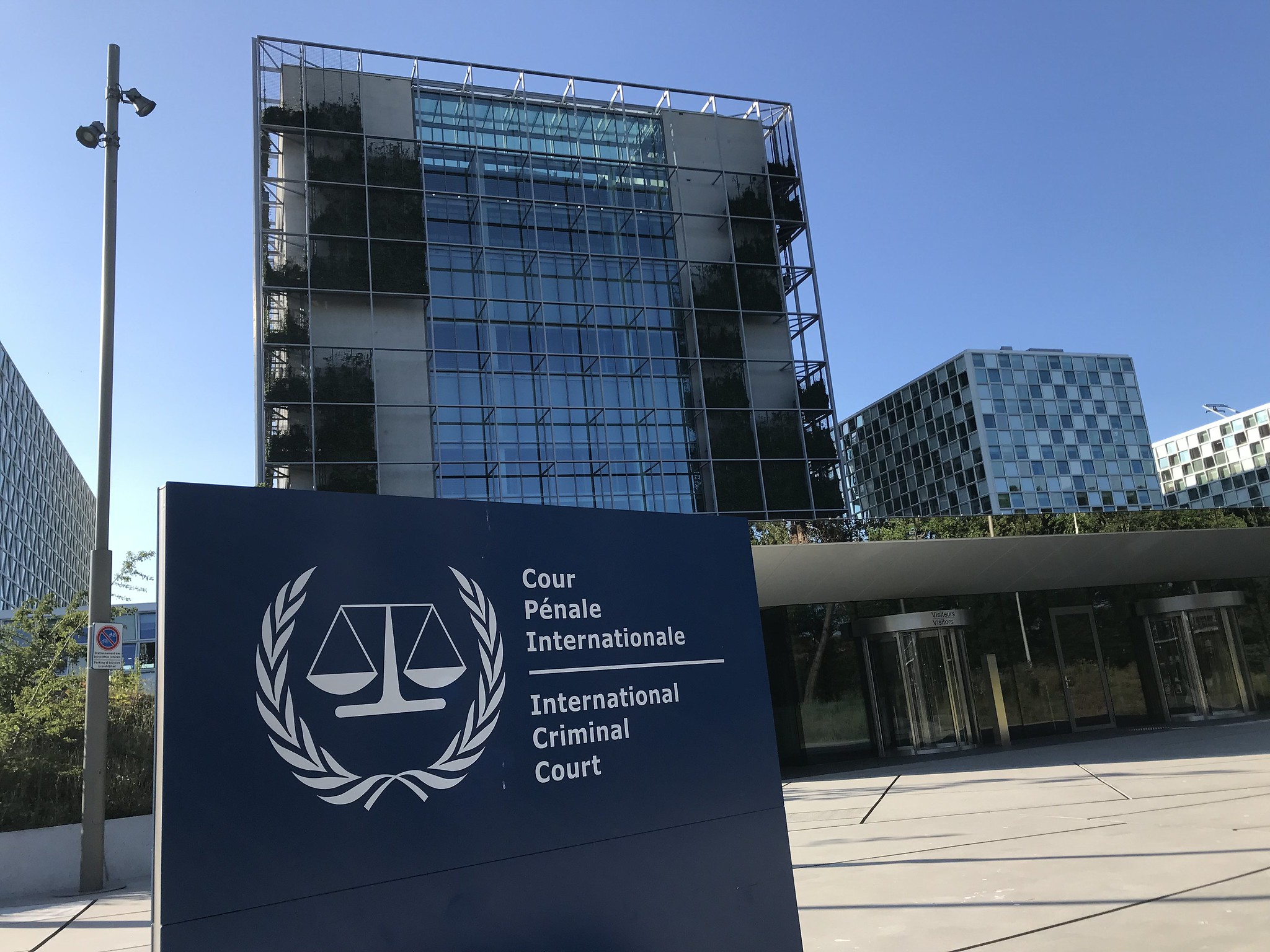
Cover image credit

Online Scholarship, Perspectives, Ukraine

Making the Case for a Hybrid Chamber at the ICC Part II: The Low-Hanging Fruit for the Assembly of States Parties to the Rome Statute of the ICC

By David Donat Cattin* and Philippa Greer**

Introduction

In our latest article for the Harvard International Law Journal (HILJ) on the topic of modernizing the International Criminal Court (hereinafter “ICC” or “Court”) through the creation of hybrid chambers, we advocated for amendments to the Rome Statute to allow for hybrid chambers at the ICC, which could yield several significant benefits. Most notably, we suggested that the introduction of such chambers could motivate states parties to engage more readily with the Court, incentivize non-party states to join, and accomplish the principal goal of ensuring criminal accountability.

On April 19, 2023, together with Judge Volker Nerlich of the Appeals Chamber of the Special Criminal Court of the Central African Republic, we presented at Harvard Law School further interventions regarding the proposal to introduce a hybrid chamber at the ICC, as well as our experiences concerning hybrid justice, or internationalized domestic jurisdictions, in international criminal law. The discussion that ensued from this thought-provoking HILJ event has prompted a revision of our original article and the issuance of this second part with operational suggestions for legislative drafters. These suggestions are two-fold. First, we propose additional consideration of the need to avoid amendments to the Rome Statute’s articles not falling under the accelerated amendments process provided under Article 122 of the Rome Statute, which specifically envisages reforms of a purely institutional and organizational nature, and hence does not affect states parties’ rights and obligations nor carry any jurisdictional or substantive law implications. Second, we reflect on the vital importance of the outreach and community-based work of judicial institutions, including those hosting hybrid chambers. We exclusively direct this Article’s proposal to the internal law of international organizations, also known as the “proper law of international organisations,” to quote C. Wilfred Jenks (1962).[1] As such, in accordance with the letter and spirit of Article 122 of the Rome Statute, it would be sufficient that a majority of two-thirds of states parties vote for its adoption and immediate entry into force for all states parties, thereby ensuring that there would be no fragmentation and unity would be preserved in the self-contained system of the Statute.

Atrocity crimes pose a global threat to humankind. The progressive development of the practice of international criminal law, in addition to the advancement of the body of international criminal law itself, is essential to the mission of the ICC today. Both are critical to advancing the central objective of international criminal justice, namely, to combat impunity in the face of the gravest crimes of concern to the international community.

In response to Russia’s invasion of Ukraine in February 2022, states embarked on what may emerge as one of the most comprehensive responses to a situation of mass atrocities to date. Forty-three states parties referred the situation in Ukraine to the ICC and thereby allowed the Prosecutor to open an investigation immediately. Many states sent voluntary financial contributions and seconded staff to support the Court (not only to bolster investigations in Ukraine, but also to reinforce the Office of the Prosecutor’s capacities in all the other situations under investigation) and national Ukrainian investigators in their efforts to document war crimes and crimes against humanity. The ICC was invited to participate in complex mechanisms set up by relevant states to address the mounting crime waves in Ukraine, such as the Joint Investigation Team and the International Center for the Prosecutor of Aggression (ICPA) facilitated by the European Union’s Eurojust, and in Libya, specifically, the Joint Team supporting investigations into crimes against migrants and refugees, supported by the European Union Agency for Law Enforcement Cooperation (Europol). These significant developments, which are raising the bar for international cooperation in the global fight against impunity for mass atrocities, all point to the continued international legitimacy of the ICC.

Given the complexities of the subject matter, however, one of the most pressing conversations in international criminal law today is whether and how an ad hoc international jurisdiction or a specialized hybrid court can be set up to address the crime of aggression in Ukraine. The ICC’s  jurisdiction over this crime is characterized by an extremely complicated regime, regarding which some states, led by Germany, and NGOs have been calling for reform. Due to a distinctive feature in its Statute as amended by the Kampala Review Conference (2010), the ICC cannot exercise jurisdiction over the crime of aggression by nationals of non-party states, including Russia (Art. 15 bis, para. 5), or perpetrated through the use of armed forces of states that have not ratified the Statute (Art. 15 bis, para. 4). Accordingly, numerous states are currently considering in tandem the creation of a new judicial mechanism that can exercise jurisdiction over the crime of aggression, with a few scholars insisting that such a court should be hybrid in nature, while a majority have expressed support for a special international tribunal (see, e.g., Oona Hathaway, Yale Law School; Jennifer Trahan, NYU Center for Global Affairs; Astrid Reisinger Coracini, University of Vienna; Philippe Sands, UCL Faculty of Laws; and David Crane, Syracuse University). These proposals are based on Ukraine’s call for, and explicit consent to, the exercise of jurisdiction over the crime of aggression, which is a crime under international law that shocks the conscience of humankind and represents the ultimate infringement on international peace and security. It falls within the framework of which all the other crimes, such as war crimes and crimes against humanity, are “contained” when they are perpetrated as a consequence of the waging of a war of aggression causing an international armed conflict. If this “special tribunal” is created, regardless of its model, there will be strong ownership by the territorial state.

Yet – looking back to the work of the ICC in this area – upon the issuance of arrest warrants against President Vladimir Putin and Ms. Maria Lvova-Belova on March 17, 2023, the first concrete step taken by the ICC with respect to the Situation in Ukraine, Prosecutor Karim A. A. Khan KC noted the following: “Since taking up my position as Prosecutor, I have emphasised that the law must provide shelter to the most vulnerable on the front lines, and that we also must put the experiences of children in conflict at the centre of our work. To do this, we have sought to bring our work closer to communities, draw on advanced technological tools and, crucially, build innovative partnerships in support of our investigative work.” To be “closer to the communities” affected by the relevant crimes, the Prosecutor entered into arrangements with the above-mentioned Joint Investigative Teams and developed a synergic cooperation with the authorities and civil society of Ukraine, a state that accepted the jurisdiction ad hoc under Article 12(3) of the Rome Statute and has not yet ratified the treaty.

In addition to the recent developments concerning the Situation in Ukraine at the ICC, the Court has furthered the objective of bringing the work of the ICC closer to affected communities through its recent actions, such as the conclusion of new memoranda of understanding renewing cooperation towards justice in the Democratic Republic of Congo, the establishment of an in-country office in Venezuela, and an action plan for renewed cooperation with Colombian national authorities in pursuit of accountability. Moreover, over the last twenty years, local and international NGOs and legal representatives of victims have repeatedly called for a greater presence of the ICC in the field through interactive outreach and public communications, including through the application of the Statute’s provisions on in situ proceedings.

Summary of the Benefits and Risks of Creating a Hybrid Chamber at the ICC

To summarize briefly the benefits and risks of creating a hybrid chamber at the ICC, as addressed in our original article, it is first noted that, on the risks side, there is the potential for compromised justice institutions through the use of national judges at the ICC, particularly in contexts involving a high degree of political instability. For instance, the rulings of national judges could be dismissed as lacking in impartiality or, even if impeccably well-reasoned, lacking the appearance of impartiality.

There is also the potential of a “due process critique” that a judge from the same state as a defendant might be biased in favor of, or against, that defendant, depending on the political climate following atrocity crimes. Also on the risks side, hybrid chambers could come with increased costs, or a rebalancing of resources away from the ICC’s core mandate. The Court would also need to adapt to new procedures for selecting judges, which could create difficulties at the initial stages. However, on the benefits side, hybrid chambers (and courts) may allow for building a more localized ownership of the justice process and fostering the development of international human rights norms within domestic legal systems.

There are a number of additional benefits a hybrid system would provide. The integration of national judges may provide a visible and more culturally appropriate justice process, which also adheres to international human rights standards. Furthermore, there is a perceived sense of transparency and greater resistance to political interference from the use of a combination of international and national judges. Indeed, integrating national judicial actors within the ICC’s decisionmaking process could enable a form of hybrid justice while still maintaining the ICC’s international legitimacy. Moreover, a hybrid chamber within the ICC could also motivate states parties to engage more readily with the Court, incentivize non-party states to join, and accomplish the principal goal of ensuring criminal accountability.

Having a national judge take part in proceedings could indicate a greater degree of respect for state sovereignty and an institutional effort to be more representative. Also, hybrid chambers could serve to promote knowledge transfer and strengthen the capacity of domestic judicial systems through the engagement of national judges in international criminal proceedings that adhere to international standards.

Additionally, the participation of national judges could also increase the use of the language of the incident state during trials, facilitating national media coverage and making the proceedings seem closer to home for the relevant population. Finally, a hybrid chamber could create a more specialized chamber. For example, in situations where the Court has jurisdiction on the basis of the location of the respective atrocity crimes, a judge of the territorial state appointed to the bench might be expected to have special expertise in the specific language of the state in which the situation arose, in addition to cultural skills and background knowledge of the relevant state. This could help to make the hybrid chamber more focused and efficient.

In order to advance these goals and minimize the hurdles or complications that may be associated with institutional innovation, it is necessary for the states parties to the Rome Statute to elaborate a set of amendments that would empower the Assembly itself and relevant Court organs to take the necessary action in forming hybrid chambers within the ICC, when their configuration would be suitable to bring the justice process closer to the victims and the communities affected by the perpetration of international crimes.

Proposed Amendments to the Rome Statute

The practical vehicle through which amendments to the Rome Statute may best be effected to allow for the establishment of hybrid chambers within the Court is Article 122, which provides that an amendment of an institutional nature may be proposed by any state party and must then receive unanimous support or, in the absence of consensus, a two-thirds majority vote in the Assembly of States Parties (ASP) for its adoption and immediate entry into force. The latter characteristic of Article 122 makes it much more efficient and effective than the Article 121 amendment procedures, which cause “fragmentation” or diversification of jurisdictional regimes between states that have ratified amendments and states that have not ratified them. Additionally, amendments that require the ratification by seven-eighths of the states parties before entering into force (for all states), such as the 2015 amendment through which the ASP unanimously deleted the transitional provision on war crimes of Article 124 from the Statute, are essentially impossible to achieve. This is due to the fact that political momentum for the amendments’ ratification is normally missing, and the technicalities of ratification processes pose an obstacle to collective and coordinated action by such a large number of states parties. Article 122 was conceived to allow adjustments in the internal (institutional) law of the ICC, but, as of today, it has never been applied or invoked by states parties, even if a Report of the Bureau on the Study Group of Governance, published October 15, 2013, encouraged states to submit proposals pursuant to this Article at paragraph 22.

It is further recalled that Article 39 of the Rome Statute leaves the Court free to establish new Pre-Trial and Trial chambers as it deems efficient. However, these chambers are composed only of judges from the existing Pre-Trial and Trial Divisions, respectively. Article 39 could therefore be amended to allow for the creation of hybrid trial chambers in addition to ordinary trial chambers, with two judges from the corresponding division and a third judge appointed on an ad hoc basis. The required amendments must specify that one or more hybrid chambers, in addition to ordinary trial and pre-trial chambers, are permissible and should set out the appointment mechanism for judges to hybrid chambers, in addition to the service, qualifications, nomination, and election requirements regarding ad hoc judges.

As also emphasized in our original article, we note in this respect that ad hoc judges would not fall under the definition of ICC judges. The Court would also need to adopt new procedures for selecting judges. The distinct articles of Part 4 of the Rome Statute would further require amendment in certain respects in order to detail how the provisions related to service of judges (Art. 35), qualifications and nomination/election (Art. 36, but exclusively in respect of para. 8 on criteria for selection, i.e., expertise and independence of ad hoc judges, and in respect of para. 9 to outline ad hoc judges’ term of office), the organizational functions of the Presidency of the Court (Art. 38), the configuration of the Trial Division (Art. 39, para. 1, second sentence) and the composition of the Trial Division (Art. 39, para. 2(b)(ii)), removal from office (Art. 46), disciplinary measures (Art. 47), and salaries, allowances and expenses (Art. 49) would apply to ad hoc judges (appointed to hybrid chambers). Other provisions, such as those on the independence of judges (Art. 40), excusal and disqualification of judges (Art. 41), solemn undertaking (Art. 45) and privileges and immunities (Art. 48) will need to be interpreted as applicable to ad hoc judges. Finally, ad hoc judges would also need to be exclusively bound to apply the law in accordance with Article 21 (Applicable Law) of the Rome Statute (which would impede their application of domestic law outside the extremely limited boundaries of Art. 21, para. 1(c)).

How Hybridity Can Foster Domestic Reconciliation: The ECCC Example

Beyond additional consideration of the need to avoid amendments to articles of the Rome Statute that do not fall under the accelerated amendments process provided for in Article 122 of the Rome Statute, it is important to also contextualize the hybridization project more broadly, in view of the overall goal of fostering domestic stabilization and reconciliation through accountability efforts.

Regarding the importance of bringing the work of the ICC closer to affected communities, we note that any such proposal to amend the Rome Statute to create a hybrid chamber should ideally be accompanied by a campaign or mechanism to enable increased resources aimed at fostering domestic outreach activities and embedding national judges in the judicial decisionmaking work and processes of the Court.

Taking the example of the Extraordinary Chambers in the Courts of Cambodia, known as the ECCC or informally as the Khmer Rouge Tribunal, the importance of fostering domestic outreach activities is clear. The ECCC was established within the Cambodian legal system in 2006 to seek justice for the crimes committed by the Khmer Rouge regime. It has received international assistance through the United Nations Assistance to the Khmer Rouge Trials, known as UNAKRT.

The ECCC can only prosecute two categories of alleged perpetrators for alleged crimes committed between April 17, 1975, and January 6, 1979, the first being senior leaders of Democratic Kampuchea, and the second being those believed to be most responsible for grave violations of national and international law. There have been four cases at the ECCC, with the second and fourth cases severed into two and three sub-cases, respectively (Case 001: defendant Kaing Guek Eay, alias “Duch”; Case 002 (severed into Case 002/01 and Case 002/02): defendants Khieu Samphan, Noun Chea (deceased), Ieng Sary (deceased), and Ieng Thirith (deceased); Case 003: defendant Meas Muth; Case 004 (severed into Case 004/01, Case 004/02 and Case 004): defendants Yim Tith, Im Chaem, and Ao An).

To date, three individuals have been convicted and sentenced to life imprisonment by the ECCC (Kaing Guek Eav, alias “Duch” (Case 001); Nuon Chea and Khieu Samphan (Case 002)), two of whom have since passed away (Nuon Chea passed away on August 4, 2019, in the hospital at the age of ninety-three. Kaing Guek Eav was serving his sentence at Kandal Provincial Prison, Cambodia, until he passed away on September 2, 2020, in the hospital at the age of seventy-seven. The last surviving prisoner convicted by the ECCC, Khieu Samphan, has recently been transferred from the ECCC Detention Unit to Kandal Provincial Prison, to serve out his sentence, under the jurisdiction of the General Department of Prisons of the Ministry of Interior.

The ECCC has a majority of Cambodian judges in each chamber. In the Pre-Trial Chamber, there are three Cambodian judges and two international judges (with the President of the Chamber being Cambodian and there being a reserve Cambodian and a reserve international judge). In the Trial Chamber, there are three Cambodian judges and two international judges (with the President of the Chamber again being Cambodian). In the Supreme Court Chamber, there are four Cambodian judges and three international judges (with the President of the Chamber being Cambodian and there being a reserve Cambodian and a reserve international judge).

Beyond a mixed composition of judges in chambers, there are, for example, Co-Prosecutors, both international and national, Co-investigating Judges, both international and national, and mixed international and national personnel in all other areas of the court, including the Office of Administration, the Defence Support Section, Victims Support Section, and there is also one Cambodian and one international Civil Party Lead Co-Lawyer.

Many commentators in the international justice realm have noted that the ECCC has experienced high levels of acceptance and support in its communities. Compared to domestic courts, it has also arguably demonstrated greater transparency and resistance to political interference. It has achieved a high degree of public attendance and victim engagement in trial proceedings. Through its Public Affairs Section, for example, it has hosted a weekly radio program, and a broader outreach program, and generated a high level of domestic media coverage. The ECCC also made great advances in interpretation and transcription of its three working languages (namely, English, French, and Khmer). To give just one example of this, the trial judgment in Case 002/02 stands at 2,259 pages in length and was issued in English, French, and Khmer.

The survey results of a recent study undertaken this year by the court show that the tour program organized by the ECCC as part of its public outreach is relevant for imparting knowledge to younger generations. According to most respondents, the ECCC study tours provided additional knowledge of the trial of Khmer Rouge senior leaders and the history of the Khmer Rouge regime – including through presentations by relevant officials and visits to Toul Sleng Genocide Museum, the Cheong Ek Genocide Centre, and Win Win Memorial. These results came from a survey that was conducted online by the court from February 15 to April 6, 2023, open to individuals who had participated in the ECCC study tour program. From February 15 to April 6, 2023, there were 3,430 youth, students, and teachers who had participated in the study tours organized by the court. 1,527 people responded to the online survey.

This focus on public awareness and engagement by the court is significant. The mandate of the Public Affairs Section prompts us to reflect on broader questions related to the role of capacity-building in a post-conflict society and how hybrid justice can help to develop a sense of local ownership of the justice process, while also leaving impacts for future generations to come. At the ECCC, officials routinely visit remote provinces and speak to members of the public, including school children, about the work of the court, distributing information materials about the ECCC and taking questions from students and the public about the court proceedings.

This aspect of the work of the court may be powerfully described with the notion of “justice under a tree.” The proposal to create a hybrid chamber within the ICC is based to an extent on the idea that hybrid forms of justice can help to develop a sense of local ownership of the justice process, leaving impacts for generations to come. The idea of “justice under a tree” is one which can be used to draw an analogy to the notion that hybrid justice and hybrid courts are often viewed as providing a more visible and culturally appropriate justice process that adheres to international human rights standards.

The concept comes from traditional African societies: under the tree is where people would meet to resolve disputes. For instance, with respect to the Constitutional Court of South Africa, the logo of the court depicts people sheltering under a canopy of branches, a representation of the court’s protective role and of the theme of justice under a tree. This logo reveals the ethos and culture of the court as a source of protection for all, as well as the Constitution’s historical roots in South Africa in terms of the struggle for human rights, infused with the spirit of a new democracy. Indeed, the Constitutional Court was borne not from clichéd images of the scales of justice and Roman columns. Rather, the symbol chosen for the court’s logo was the tree – something that protects, just like the Constitution. However, the tree does not stand alone in the logo. It is sheltering people who have gathered under its branches.

Standing outside, under trees, in school playgrounds in rural settings, public outreach missions in Cambodia may be said to have brought a sense of “bringing the law home” to affected communities, thereby further ensuring truth-telling in terms of historical record and teaching future generations to be attuned to the early warning signs of genocide and atrocity crimes. This may be considered as an extended form of “justice under a tree,” ensuring that justice is both visible and community-based.

Therefore, the proposal to amend the Rome Statute of the ICC to create a hybrid chamber within the Court with a composition of national and international judges may be viewed as one way of bringing the law one step closer to the communities affected by the work of the Court.

In order to achieve this result, it would be essential for the Assembly of States Parties to the Rome Statute to fulfill its legislative responsibility and make use of the provisions of Article 122 of the Statute, empowering a qualified majority of two-thirds to reform and modernize the internal judicial infrastructure of the Court and, ultimately, increase its impact, performance, and effectiveness.

This reform must be accompanied by concurrent efforts to increase the public outreach efforts of the Court and the accessibility of the only permanent international criminal tribunal, the ICC, for victims, including survivors. Therefore, such a proposal should ideally be accompanied by a campaign or mechanism to enable increased resources aimed at fostering domestic outreach activities, alongside embedding national judges in the judicial decisionmaking work and processes of the Court. The overarching question which we should always remain focused on is: how do we best produce positive results for affected communities?

[hr gap=”1″]

[1] See generally Clarence Wilfred Jenks, The Proper Law of International Organisations (1962).

*David Donat Cattin is an Adjunct Associate Professor of International Law, Center for Global Affairs, NYU; Research Fellow, Center for International Law Research & Policy (www.cilrap.org/donat-cattin/); and Senior Fellow, Montreal Institute for Genocide and Human Rights Studies at Concordia University.

**Philippa Greer is the Head of the Legal Office of the United Nations Relief and Works Agency for Palestine Refugees in the Near East, Gaza Strip. She previously served as a legal adviser at the United Nations in Afghanistan, Jerusalem, Cambodia and Tanzania and worked at the UN Secretariat in New York. The views expressed herein are those of the author alone and do not necessarily reflect the views of the United Nations. Philippa tweets @philippa_bear

[hr gap=”1″]

Cover image credit

Content, Online Scholarship, Perspectives

Reconciling Automated Weapon Systems with Algorithmic Accountability: An International Proposal for AI Governance

By Philip Alexander*

I. Introduction

Earlier this year, Google announced a ‘Code Red’ at its California headquarters, instructing its employees to prioritize developing newer, more advanced Artificial Intelligence (AI) projects, with CEO Sundar Pichai describing AI as the next ‘electricity or fire.’ Notably, the spotlight on ChatGPT and its successor GPT4 has elevated the domain of AI as a revolutionary piece of technology. The benefits arising from this global movement in medicine, language and engineering are unquestionably significant. However, on the other end of its vast spectrum lies an array of globally disruptive Artificial Intelligence (GDAI), that could have far-reaching implications on life, liberty and humanity. This note examines the rise and effects of such AI and devises an international governance framework that balances automated technology with International Humanitarian Law (IHL) and Algorithmic Accountability. Specifically, I focus on Autonomous Weapon Systems (AWS) as an example of GDAI, where the nexus between automated technology and human rights is clearly established.

The development of international law and the proliferation of military technology are directly proportional. In 1648, the Treaty of Westphalia was drafted to restrict gunpowder weaponry after the Thirty Years’ War. In 1918, World War I and the rise of military trench warfare resulted in the formation of the Permanent Court of International Justice. Finally, nuclear weaponry used in World War II formed the rational basis behind the conception of the United Nations. In 2023, we exist in a stage of weaponry described as the ‘Third Wave of Warfare,’ where automated AI-enabled systems define the contours of military warfare. For example, Iran announced its development of a series of automated miniature tanks that hold military grade weaponry. In another instance, Turkish defense technology company STM engineered a fully autonomous combat drone, the Kargu-2, capable of precision-guided munition. These drones were first used in the Libyan internecine conflict of 2020 and now in the Russian-Ukraine armed conflict.

The emerging trend of automated weaponry raises questions on the urgency of developing regulatory mechanisms that govern autonomy. Should the international community push for the formation of a framework composed of soft and hard laws that explicitly define the limits of automated engineering? As Peter Singer, an expert on drone engineering, puts it, drones’ ‘intelligence and autonomy [are] growing [and] the law’s not ready for this.’ In the following section, I examine the legality of AWS and propose a tiered governance framework that reconciles such weaponry with IHL.

II. The Unpredictability of Algorithms

International Humanitarian Law, a set of rules that seeks to limit the effects of armed conflict, contains two principles relevant to AWS’s validity: The Principle of Precaution and the Principle of Distinction. These principles guide the conduct of belligerents during armed conflict and have become customary international law through state practice.

The principle of precaution, embodied in Article 57(1) of Additional Protocol I of the Geneva Convention, states that ‘[i]n the conduct of military operations, constant care shall be taken to spare the civilian population, civilians and civilian objects.’ The principle of precaution emphasizes the continuous and diligent effort required to safeguard civilian lives during military operations. It stresses the importance of taking necessary measures to avoid or minimize unintended harm to non-combatants, such as confirming targets as legitimate military objectives, allowing for the cancellation or suspension of attacks if civilians are at risk, and providing warnings when feasible to protect the civilian population.

The Trial Chamber of the International Criminal Tribunal for the former Yugoslavia (ICTY) determined in Prosecutor v. Kupreškić that Article 57 of the 1977 Additional Protocol I had attained the status of customary international law. This conclusion was reached based on two factors: Article 57 expanded upon and elaborated on existing customary norms. Secondly, it was observed that no State, including those that had not ratified the Protocol, appeared to contest the validity of this provision. This principle is also a fundamental axiom in several legal documents, manuals on military affairs and decisions by international and domestic judicial and quasi-judicial bodies, indicating its elevation as state practice.

The principle of distinction states that parties to a military armed conflict must distinguish between civilians and combatants, where ‘the only legitimate object which States should endeavor to accomplish during war is to weaken the military forces of the enemy.’ As described by the ICJ in the Nuclear Advisory Opinion as an ‘intransgressible [principle] of international customary law,’ it is codified in Articles 48 and 52(2) of Additional Protocol I and forms one of the central tenets of IHL.

The principal concern with AWS and other GDAI that could impede human rights is the unpredictability associated with the algorithms used to operate such technology. ‘Automatic’ machine systems are programmed to respond to rules, where ‘if X, then Y’ is followed. These systems do not necessarily pose concerns regarding their predictability. However, AWS is engineered using machine learning, where the software constantly responds to external factors and builds upon its existing knowledge repository, much like how ChatGPT operates. If the operation of this type of software malfunctions at any point during armed conflict, causing civilian harm, it violates customary humanitarian and international law.

Numerous instances of algorithmic bias and discrimination exist, where AI misperceives information. However, no party to the armed conflict could be held liable for this type of violation because of the absence of intent and knowledge required to establish a crime under international criminal law. In the following sections, I first discuss examples of algorithmic bias, providing precedent on the unpredictability of machine learning algorithms. I then devise a framework for AI governance that attempts to bridge some of the gaps in the status quo.

Algorithmic Bias

Algorithms in the context of machine learning are computational methods that utilize mathematical models to discover and comprehend underlying patterns present in data. These algorithms can recognize patterns, classify information, and make predictions based on their learning from existing data, known as the training set. There is an excessive reliance on the objectivity of such algorithms employed in artificial intelligence. This phenomenon is known as ‘mathwashing,’ where the output created by AI is treated as an absolute value, immune to inaccuracy. This perception stems from the fact that mathematics forms the fundamental basis for the existence of AI and is objective by its nature. However, this approach needs to be revised because algorithmic bias has been well-documented in several cases in the public domain.

A study conducted in 2019 discovered that health insurance service provider Optum’s algorithm exhibited racial bias by favoring healthier white patients for insurance coverage and medication, while neglecting sicker Black patients. The algorithm initially suggested providing additional care to only 17.7% of Black patients. However, if this bias were removed, the percentage of Black patients recommended for extra care would rise to 46.5%.

In another study conducted by MIT, it was discovered that the margin of error for three different facial recognition software was 0.8% for white men but 35% for women of color. Algorithmic bias has also been documented in criminal prosecution trials. Correctional Offender Management Profiling for Alternative Sanctions, or COMPAS for short, is a predictive algorithm that assesses recidivism risk, or the likelihood of someone reoffending in the future. This software has been adopted in states such as California, Florida, New York and Wisconsin. However, a report found that Black offenders were nearly twice as likely to be classified with a potential risk of reoffending at 48%, compared with white offenders at 28%. In 2014, Brisha Borden, a Black woman, was arrested for burglary and petty theft. The COMPAS software labeled her as ‘high risk’ for future violent crimes. On the other hand, Vernon Prater, a White male with a history of multiple criminal charges, was arrested for a similar crime but was classified as ‘low risk’ for reoffending. Today, Borden has been released from prison without any pending criminal charges, while Prater has returned to prison and is currently serving an eight-year sentence.

These are just some examples of how unreliable artificial intelligence and machine learning can be. Incorporating unpredictable algorithms in military weaponry can have disastrous effects on human life. For this reason, AWS must be regulated so that states with powerful militaries do not take indiscriminate decisions without weighing their potential consequences. In the following section, I propose a two-tiered framework for protecting civilian life that balances the necessity of automated decision-making during armed conflict with principles of algorithmic accountability and IHL.

III. Proposal for the International Governance on AWS

There is an increasing sense of urgency in the algorithmic regulation debate. Recently, the Council of Europe announced that it is in the process of drafting the ‘Convention on Artificial Intelligence, Human Rights, Democracy and the Rule of Law.’ Ursula von der Leyen, President of the European Commission, submitted a proposal for the Artificial Intelligence Act with the intention of ‘addressing the opacity, complexity, bias, a certain degree of unpredictability and partially autonomous behavior of certain AI systems, to ensure their compatibility with fundamental rights and to facilitate the enforcement of legal rules.’ The Biden Administration is also working on AI governance, releasing a blueprint for the AI Bill of Rights with ‘principles that should guide the design, use, and deployment of automated systems to protect the American public in the age of artificial intelligence.’ The impetus behind artificial intelligence provides the right opportunity to introduce domestic and international laws further, regulating specific kinds of AI such as AWS. In the following section, I examine an international governance framework that states can adopt as a possible structure for the regulation of AWS.

The proposal for this framework consists of two tiers. Tier I suggestions will permit the development and use of AWS during armed conflict, with accompanying restrictions that protect civilian life. These restrictions will expressly outline the limits of AWS in congruence with the rules of IHL. Tier II limitations will include stricter and enforceable restraints on AWS that states may enact at their discretion, either unilaterally, bilaterally with another state, or multilaterally with several states. A tiered code will precisely delineate to what extent AWS is permitted in compliance with IHL, while establishing stricter mechanisms on the attribution of liability.

Tier I

Firstly, states may adopt a declaration that expressly permits the development of machine learning in military weaponry in a way that respects civilian life. Constituting recommendations, guidelines and non-binding resolutions, this declaration would be a soft law instrument that lays down normative standards on what is and is not to be expected from member states concerning AWS. This instrument will also clarify the breach of the rules necessary to trigger state responsibility, including the extent, scope and nature of IHL, primarily codified in the four Geneva Conventions and two Additional Protocols.

Tier II

Tier II comprises binding and enforceable restrictions based on algorithmic accountability as opposed to general rules of IHL, that states must strictly adhere to while engineering AWS algorithms. Algorithmic accountability is the process where developers of algorithms are made responsible for situations where the algorithm renders a decision that has a disparate negative impact on an individual or a group of individuals. Stronger standards of accountability would significantly improve transparency in AI development, allowing members of the public to better understand what goes into building algorithms used for AWS.

A narrower approach, observed in such Tier II restrictions, would make it significantly easier to trace and attribute liability in accidental or intentionally unlawful conduct. These principles must be enforced alongside sanctions for violations and would jointly operate with the rules of IHL, creating a robust regulatory framework for AWS.

States must be obligated to conduct periodic Algorithmic Impact Assessments (AIA) at different stages of AWS’s life cycle. This achieves two goals.

Firstly, it allows the manufacturers of automated systems to think rationally and methodically about the potential implications of such technology before its implementation. This is especially crucial in technology that could violate individual rights and would ensure a greater likelihood that the final product reflects the principles and values determined in the initial impact assessment.

Secondly, it ensures the documentation of all decisions made in the development of AWS at different points of its life cycle, improving transparency and accountability to the public.      An example of algorithmic impact assessments can be seen in the Algorithmic Accountability Act introduced by Senator Ron Wyden before Congress in 2022. The Bill seeks ‘[t]o direct the Federal Trade Commission to require impact assessments of automated decision systems and augmented critical decision processes, and for other purposes.’ In another example, Article 35 of the GDPR imposes Data Protection Impact Assessments ‘[w]here a type of processing  […] using new technologies […] is likely to result in a high risk to the rights and freedoms of natural persons.’

Another measure that could be enforced is forming a bilateral or multilateral consultative commission that conducts regular inspections on a state’s AWS technology, ensuring that it complies with treaty restrictions. This step has been implemented in treaties that limit the non-proliferation of nuclear weaponry. For example, the New START Treaty is a nuclear arms reduction agreement between the United States and Russia that permits 18 on-site inspections yearly. An oversight body for AWS algorithms will ensure the compliance of AWS technology with the Tier II rules and obligations outlined in any treaty or agreement formed between states on AI regulation.

IV. Conclusion

The Tier I and II recommendations provide a viable solution to AI governance, balancing its utility while creating a robust regulatory framework that restricts the misuse of its autonomy. The proposed governance framework serves as a structure for future policy decisions regarding AWS and other GDAI. To this effect, the international community must deliberate upon these developments with the intention of framing broader domestic and international policy on AI and its intersection with human rights.

*Philip Alexander is a law student at the West Bengal National University of Juridical Sciences, India.

[hr gap=”1″]

Cover image credit 


Content, Online Scholarship, Perspectives

Evolution of Business & Human Rights Obligations – From Soft Law to Voluntary Initiatives to Emerging International Standards & National Regulations

PATRICK MILLER & KABIR DUGGAL*

Introduction

Milton Friedman famously stated that a business has no purpose except to increase shareholder value. This approach is increasingly dying.[1] Most international commercial lawyers have a general sense of human rights law—though it is often dismissed as a collection of non-binding, aspirational pronouncements having little practical effect on the way business is conducted or how businesses advise their clients. Indeed, human rights law in international law is often understood as obligations of states in relation to humans with a limited role for business. As a result, businesses often have only a passing understanding of the legal regimes related to business and human rights (“B&HR”).

Businesses which are not steeped in these issues can be forgiven for assuming that regimes related to B&HR are limited to the non-binding, aspirational arena, particularly as this may have been true for a time. On the one hand, we see an increased focus on Environmental, Social, and Governance (“ESG”) obligations, although these tend to be non-binding or aspirational. At the same time, we notice the creation of hard law obligations which are enforced by national governments.

Inquiries into corporate misconduct in the 20th century rarely went beyond the question of whether corporations even had a duty to protect human rights. The international conventions described below were landmark milestones in setting out a coherent framework establishing the bounds of corporate conduct and the obligations that multinationals have to various stakeholders. These milestones laid a foundation for national governments to begin enacting “hard law” regulations.[2]  We expect that ESG and B&HR obligations will take a firmer form in the years to come—although these changes will often be a result of political pressure, national priorities, and global initiatives.

This article traces the key recent developments in B&HR from international agreements to some of the leading national regulatory regimes.

I. The International Framework

International law has traditionally focused on the role of states. While the role of non-state actors has played a limited role, certain efforts to identify international obligations for businesses exist.

A. The UN Global Compact (2000)[3]

Conceived by former UN Secretary Kofi Annan, the UN Global Compact is a voluntary initiative where companies commit to implement universal sustainability principles and take steps to support UN goals.  The UN Global Compact is “open to any company that is serious about its commitment to work towards implementation of the UN Global Compact principles throughout its operations and sphere of influence, and to communicate on its progress.”[4] Principle I requires a company to comply with all applicable laws and internationally recognized human rights while Principle 2 requires that companies are not complicit in human rights abuses.[5] The remaining eight principles provide specific provisions for labor, environment, and anti-corruption.[6]  Even though the Compact is a voluntary initiative, by signing up, companies must produce an annual “Communication on Progress” (COP) that details their work to embed the ten principles in their activities. So far, 21,493 companies from 162 countries have signed up for the Global Compact.[7]

B. The (Draft) Norms on the Responsibilities of Transnational Corporations (2003)[8]

In 2003, a Working Group chaired by Professor David Weissbrodt submitted the “Norms on the Responsibilities of Transnational Corporations and Other Business Enterprises with regard to Human Rights” (the “Norms”) to the UN Sub-Commission on the Promotion and Protection of Human Rights.  The Norms were the first attempt to create human rights norms specifically aimed at transnational corporations.

There were specific Norms addressing non-discriminatory treatment, security of persons, rights of workers, anti-bribery provisions, consumer protection, and environmental protection. The document also identifies 14 obligations and 5 provisions aimed at implementing the Norms. The Norms were subject to “periodic monitoring and verification” by the UN, including by existing mechanisms, and a mechanism to be created regarding the application of the Norms.  Even though the Norms were regarded as a landmark step, they were not approved by the UN Commission on Human Rights because they faced opposition from several states and the business community.[9]

C. The UN Guiding Principles on Business and Human Rights (2011)[10]

Following the failure of the Norms, the former UN Secretary General Kofi Annan appointed Harvard Professor John G. Ruggie as a Special Representative on Business and Human Rights. This led to the creation of the UN Guiding Principles on Business and Human Rights (the “Guiding Principles”).  The Guiding Principles are based on three pillars: (i) a state bears the duty to protect against human rights abuses within its territory, (ii) a corporation must respect human rights and address adverse human rights impacts with which they are involved, and (iii) a state has the primary responsibility to remedy any human rights abuses within its territory.

While the Guiding Principles do not have a formal accountability mechanism,[11] they envision that “effective grievance mechanisms” are available based on multi-stakeholder and other collaborative initiatives. As a largely voluntary initiative, the Guiding Principles are often invoked by parties in their international pleadings to argue the failure of due diligence (see Bear Creek Amicus Reply[12] or Guatemala Counter-Memorial)[13] or the need for human rights assessment (Metlife Amicus).[14]

D. Draft UN Legally Binding Instrument to Regulate Activities of Transnational Corporations (2021)[15]

Despite the failure of the Norms, since 2014, there have been efforts to create a Legally Binding Instrument to Regulate the Activities of Transnational Corporations and Other Business Enterprises (the “Instrument”). The Open-Ended Intergovernmental Working Group (OEIGWG) created by the UN Human Right Council drafted this Instrument.  The Draft makes clear that the purpose of this Instrument is to clarify the human rights obligations of business enterprises and facilitate the implementation of these obligations (art. 2.1). The Instrument places primacy of obligation on state parties who are required to “regulate effectively the activities of all enterprises within their territory, jurisdiction or otherwise under their control” (art. 6.1).

Art. 16 provides that states shall take all “necessary legislative, administrative or other action including the establishment of adequate monitoring mechanisms” to ensure implementation.  Indeed, the Instrument envisions the creation of an International Fund for Victims to provide legal and financial aid (art. 15.7).

II. Efforts within National Law

We see a nascent effort to move obligations from voluntary regimes to obligations in domestic law.  At this stage, the obligations are limited; however, with greater pressures from the public and with concerns about climate change, we might see further action. Listed below are examples of human rights obligations on businesses.

A. US: Uyghur Forced Labor Prevention Act (UFLPA)

Since the 1930 Tariff Act, the US has had legislation prohibiting products created by forced labor from entry into the country. However, carveouts allowed nearly all products to escape inquiry by the Government.

Over the past few years, the US Government has sought to enforce its regulations prohibiting the import of goods produced using forced labor through its increasing use of Withhold Release Orders by the US Customs and Border Protection Agency (“USCBP”) and its implementation of the Uyghur Forced Labor Prevention Act (“UFLPA”).[16]

Many Guidance documents on complying with these regimes reference the Guiding Principles and other international best practices such as human rights due diligence as methods of ensuring that a company’s supply chains practices comport with their responsibilities under the law.

The UFLPA came into effect on 21 June 2022.[17] It expands the scope of the US Government’s approach to prohibiting goods which it suspects were produced using forced labor from entering the US market.[18] The enforcement plan for the UFLPA creates a rebuttable presumption that all goods (or component parts of such goods) imported into the US that have a nexus to the Xinjiang region of China, or a list of restricted entities that use Uyghur labor, were produced under conditions of forced labor.[19]

The enforcement guidance states that US Customs and Border Protection “will implement an enforcement plan that identifies and interdicts goods from high-priority sectors that are found to have a nexus to production in Xinjiang, subsidiaries and affiliates of Xinjiang Production and Construction Corps, and any other producing entity found to utilize forced labor via a government-labor scheme.”[20]

The UFLPA applies to all imports into the US and, importantly, does not contain a de minimis exception. Thus, even if one button on a jacket has a nexus to Xinjiang, this shipment would be prohibited from entry. It also applies to manufacturers that use Uyghur labor in other areas of China if they are on the list of restricted entities. Its geographical scope is broader than the Xinjiang region.

If USCBP determines that products are within the scope of the Act, the evidentiary burden to rebut the presumption of forced labor is extremely high. There have not yet been any reports of importers successfully rebutting the presumption of forced labor. Rather, importers have focused on demonstrating to the USCBP that the subject goods do not fall within the scope of the Act, i.e., they have no nexus to Xinjiang and/or Uyghur labor.

B. Due Diligence Regimes in EU Countries

The European Commission has recently proposed a prohibition on the import and/or export of products that were produced using forced labor.[21] Although some EU countries require multinationals of sufficient size to establish a human rights due diligence framework to identify and prevent human rights abuses, others, including Germany[22]and France,[23] have implemented human rights due diligence regimes for international supply chains.

Companies which are subject to the regulations by virtue of their size (e.g., employee numbers or revenue) must conduct their operations in accordance with governments’ expanding ESG priorities. These companies, for instance, should develop contractual frameworks with their counterparties that solidify these requirements as obligations, particularly when their counterparties are not subject to similar ESG-type regulation. For example, Section 6 of the German Due Diligence law discusses implementing: (i) contractual assurances that suppliers will comply with human rights obligations; and (ii) contractual control mechanisms when abuses are discovered.

In February 2022, the European Commission made public its Draft Directive on the proposed standard for due diligence on human rights and environmental issues (the “EU Draft Directive”).[24] The EU Draft Directives applies to EU companies which have either (i) more than 500 employees and a net worldwide turnover of EUR 150 million, or (ii) more than 250 employees and a net world turnover of more than EUR 40 million provided 50% of the net turnover was in a “high risk” sector (such as textiles, clothing and footwear, agriculture, forestry, fisheries, and extraction of mineral resources among others).  It also applies to non-EU companies which have either (i) net turnover of more than EUR 150 million in the EU, or (ii) net turnover of more than EUR 40 million but not more than EUR 150 million, provided that at least 50% of its net worldwide turnover was in a “high-risk” sector (art. 2).  The EU Draft Directives lay down rules (i) on obligations for companies regarding actual and potential adverse impacts on human rights and the environment with respect to their operation, their subsidiaries, and the value chain operations, and (ii) on liability for violations of the obligations.  The EU Draft Directive will be enforced by Member States that create supervisory authorities. These supervisory authorities can take remedial action, including the imposition of sanctions.  When pecuniary sanctions are imposed, they are based on a company’s turnover (art. 20).

Conclusion

ESG obligations at the international and regional level remain at a nascent stage. With increased public focus and efforts by both the UN and the EU, however, we will likely see the creation of binding obligations that companies managing international supply chains will have to consider.

[*] Patrick Miller is the Founding Attorney of Impact Advocates APC, a law firm focused on international commercial dispute resolution, responsible supply chains and ESG-related matters. He is a strong advocate for ESG & social businesses and passionate about assisting these companies when they encounter commercial disputes. Kabir Duggal is an SJD Candidate at Harvard Law School and a Lecturer-in-Law at Columbia Law School.  The views expressed are personal and the authors reserve the right to change the positions stated herein.

[1] See Colin Mayer, Leo E. Strine Jr. & Jaap Winter, 50 Years Later, Milton Friedman’s Shareholder Doctrine Is Dead, Fortune (Sept. 13, 2020), https://fortune.com/2020/09/13/milton-friedman-anniversary-business-purpose/.

[2] Scholars have referred to a “Galaxy of Norms” which includes both international conventions and national ‘hard law’ obligations. See, e.g., Elise Groulx Diggs, Milton C. Regan & Beatrice Parance, Business and Human Rights as a Galaxy of Norms, 50 Geo. J. Int’l L. 309 (2019).

[3] The Ten Principles of the UN Global Compact, United Nations, https://unglobalcompact.org/what-is-gc/mission/principles.

[4] About the UN Global Compact: Frequently Asked Questions, United Nations Global Compact, https://unglobalcompact.org/about/faq.

[5] The Ten Principles of the UN Global Compact, supra note 3, at Principles 1 and 2.

[6] Id. at Principles 3 to 10, available at: https://unglobalcompact.org/what-is-gc/mission/principles.

[7] United Nations Global Compact Website Cover page, U.N. Global Compact, https://unglobalcompact.org/.

[8] U.N. Econ. and Soc. Council, Sub-Comm’n on the Promotion and Prot. of Hum. Rts., Norms on the Responsibilities of Transnational Corporations and Other Business Enterprises with Regard to Human Rights, U.N. Doc. E/CN.4/Sub.2/2003/12/Rev.2 (Aug. 26, 2003), https://digitallibrary.un.org/record/501576?ln=en#record-files-collapse-header.

[9] Pini Pavel Miretski ¶ Sascha-Dominik Bachmann, The UN ‘Norms on the Responsibility of Transnational Corporations and Other Business Enterprises with Regard to Human Rights’: A Requiem, 17 Deakin L.R. 5, 8-9 (2012) (“Such explicit support for the Norms was accompanied by often fierce opposition from various states and the majority of the business community.  Such opposition arose from the moment the Norms were formally introduced as a discussion paper after their approval by the Sub-Commission.  Most states expressed strong reservations, emphasizing their determination not to depart from the traditional framework of international law, which stresses the central and pivotal role of the state as a legal subject of public international law.  The Norms were eventually abandoned in 2005 and the task of regulating transnational corporate accountability was transferred to other UN organs.”) (internal citation omitted).

[10] Guiding Principles on Business and Human Rights, U.N. Office of the High Comm’r For Hum. Rts. (2011),https://www.ohchr.org/sites/default/files/documents/publications/guidingprinciplesbusinesshr_en.pdf.

[11] In contrast, the 2011 OECD Guidelines for Multinational Enterprises provides for “National Contact Points” “to further the effectiveness of the Guidelines by undertaking promotional activities, handling enquiries and contributing to the resolution of issues that arise relating to the implementation of the Guidelines . . .” as well as the “Investment Committee” that shall “periodically or at the request of an adhering country hold exchanges of views on matters covered by the Guidelines and the experience gained in their application.”  See Procedural Guidance, OECD Guidelines for Multinational Enter. 68 (2011), https://www.oecd.org/daf/inv/mne/48004323.pdf.

[12] Bear Creek Mining Corp. v. The Republic of Peru, ICSID Case No. Arb/14/21, Bear Creek’s Reply to the Amicus Curiae Submissions of Dhuma and Dr. Lopez ¶ 18 (Aug. 18, 2016).

[13] Daniel W. Kappes and Kappes, Cassiday and Associates v. Republic of Guatemala, ICSID Case No. ARB/18/43, Guatemala’s Counter-Memorial ¶¶ 1, 152 (Dec. 7, 2020).

[14] MetLife, Inc., MetLife Servicios S.A. and MetLife Seguros de Retiro S.A. v. Argentine Republic, ICSID Case No. ARB/17/17, Amicus Curaie Submission (Mar. 30, 2021), ¶ 90.

[15] Legally Binding Instrument to Regulate, in International Human Rights Law, The Activities of Transnational Corporations and Other Business Enterprises, U.N. Open-Ended Intergovernmental Working Grp. on Transnat’l Corps. and Other Bus. Enter. With Respect to Hum. Rts. (2021), https://www.ohchr.org/sites/default/files/Documents/HRBodies/HRCouncil/WGTransCorp/Session6/LBI3rdDRAFT.pdf.

[16] Forced Labor, U.S. Customs and Border Prot., https://www.cbp.gov/trade/forced-labor.

[17] Strategy to Prevent the Importation of Goods Mined, Produced, or Manufactured with Forced Labor in the People’s Republic of China: Report to Congress, U.S. Dept. Homeland Sec. (June 17, 2022), at 8, https://www.dhs.gov/sites/default/files/2022-06/22_0617_fletf_uflpa-strategy.pdf.

[18] Id.

[19] Id. at v (“The UFLPA establishes a rebuttable presumption that goods mined, produced, or manufactured wholly or in part in Xinjiang or by an entity on the UFLPA Entity List are prohibited from U.S. importation under 19 U.S.C. § 1307.”).

[20] Id. at 19.

[21] Philip Blenkinsop, EU Proposes Banning Products Made With Forced Labour, Reuters (Sept. 14, 2022), https://www.reuters.com/markets/europe/eu-proposes-banning-products-made-with-forced-labour-2022-09-14/.

[22] See Lieferkettensorgfaltspflichtengesetz [LkSG] [Act on Corporate Due Diligence Obligations in Supply Chains], July 16 2021, https://www.bmas.de/SharedDocs/Downloads/DE/Internationales/act-corporate-due-diligence-obligations-supply-chains.pdf;jsessionid=71731FA3BE835852C39F24D5BEFF8C60.delivery1-replication?__blob=publicationFile&v=2.

[23] See French Duty of Vigilance Law – English Translation, Bus. and Hum. Rts. Res. Ctr. (Dec. 14, 2016), https://www.business-humanrights.org/en/latest-news/french-duty-of-vigilance-law-english-translation/.

[24] Just and Sustainable Economy: Commission Lays Down Rules for Companies to Respect Human Rights and Environment in Global Value Chains, Eur. Comm’n (Feb. 23, 2022), https://ec.europa.eu/commission/presscorner/detail/en/ip_22_1145.


Content, Online Scholarship, Perspectives

After Decades of Illegal Evictions – Indigenous Ogiek Win Reparations Ruling Against the Republic of Kenya

SOFIA OLOFSSON

I. Introduction

In its judgement on 23 June 2022, the African Court of Human and Peoples’ Rights (the African Court) ruled that the Kenyan government must pay reparations for evicting Indigenous Ogiek people from their ancestral lands in the Mau Forest.[1] This landmark win for Indigenous Ogiek sets a precedent for other forcefully removed Indigenous people across Africa. Before diving into the significance of this judgement, an overview of the state of the law for the right to land contextualises the African Court’s decision.

II. The Right to Land

Many have drawn connections between the right to the land of Indigenous people and the right to life. Numerous cases from Africa support this notion. In the Democratic Republic of Congo, the population of the Batwa has halved in less than fifty years because its people cannot adapt to a lifestyle outside of their traditional forest-dwelling.[2] In Kenya, the life expectancy of the Ogiek has likewise significantly decreased due to difficulties adapting to a new way of life outside of traditional forest-dwelling.[3] In Tanzania, the Maasai “feel especially attached to the land”[4] because “without it, they cannot survive, especially since they do not also have the skill necessary for survival outside the pastoral sector.”[5]

According to human rights law instruments, the right to property encompasses land and land use. The Universal Declaration of Human Rights refers to the right to property, noting that “[e]veryone has the right to own property, alone as well as in association with others and no one shall be arbitrarily deprived of his or her property.”[6] Article 14 of the African Charter on Human and Peoples’ Rights (the African Charter) includes the protection of the legitimate expectation to obtain and peacefully enjoy the property of an individual, a group, and a people.[7] It also protects traditional custom and “land and other natural resources held under communal ownership” with imposed duties on the State to ensure the security of ownership to rural communities.[8]  However, the protection of property is not absolute, and the State can give concessions in cases of public need or when it is in the general interest of the community.[9]

While the Indigenous and Tribal Peoples Convention 169[10] and the United Nations Declaration on the Rights of Indigenous Peoples recognize the indigenous right to land, the African Charter does not explicitly recognize it. Fortunately, though, the interpretation of other general rights in the African system helps deal with this lack of explicit indigenous rights. In recognizing the rights of Indigenous peoples, the collective rights to both wealth and resources in article 21[11] of the African Charter and the right to development in article 22,[12] as well as the right to property from article 14,[13] are of utmost importance.

This overview illustrates that the protection of Indigenous peoples’ right to land goes beyond the protection of property. If the right to land of Indigenous people closely relates to the right to life, this right should be non-derogatory and unable to be suspended in a state of emergency. Unfortunately, this is not the case: some states actively challenge Indigenous rights to land and forcefully-remove peoples to gain exclusive land ownership.

III. African Commission on Human and Peoples’ Rights v. Republic of Kenya

Since British colonial domination, the Ogiek have been forcibly displaced from their native grounds. Today, the Kenyan government asserts that evictions prevent deforestation of the Mau Forest, the largest remaining indigenous forest in Kenya, and that the land is under its authority for conservation purposes. The Mau Forest has been the subject of a 13-year legal dispute between the Indigenous Ogiek people and the Kenyan government over its ownership. In 2009, the community filed a petition to the African Commission on Human and Peoples’ Rights following a 30-day eviction notice.

In 2017, the African Court determined that Kenya breached seven articles of the African Charter due to evictions, namely: Article 1, Obligations of Member States; Article 2, The Right to Non-Discrimination; Article 8, The Right to Religion; Article 14, The Right Property; Article 17(2) and (3), The Right to Education; Article 21, Natural Resources; and Article 22, The Right to Development.[14] Finally, on 23 June 2022, the Court delivered its ruling on the issue of reparations.[15]

The African Court unanimously rejected the arguments of the Kenyan government and, in response to its 2017 ruling, ordered the State to compensate the Ogiek community $849,256 in moral damages[16] and $491,295 in material damages.[17] The Court refused to accept that forest protection justified eviction of the Ogiek. Rather, the Court found that the degradation of the Mau Forest resulted from other factors, including incursions, allocation to others, and logging.

This decision instructs Kenya to give the Ogiek community title to their land in the Mau Forest and consult with them on future development projects. Kenya must also work with the Ogiek to develop land-sharing and access agreements. This ruling emphasizes that the Kenyan government must “undertake an exercise of delimitation, demarcation, and titling to protect the Ogiek’s right to property. Securing their right to property, especially land, creates a conducive context for guaranteeing their continued existence.”[18]

Another significant milestone is the recognition of the Ogiek as an Indigenous people. The Court said that Kenya must take measures to guarantee the full recognition of the Ogiek as an Indigenous people of Kenya in an effective manner.[19]

Although the Court requested a report from Kenya on the implementation of its orders within 12 months, executing the ruling will be challenging, given that the Court does not have direct enforcement power over the Kenyan government.

IV. Practical Significance of the Case

The reparation judgement solidifies the historic verdict of 2017, which upheld the rights of the Ogiek over their ancestral land in Mau Complex. Considering the government-lead conservation practices that harm Indigenous peoples, this ruling also serves as a precedent for other pending cases.

The Batwa in the Democratic Republic of the Congo, the Maasai in Tanzania, and the Endorois in Kenya are only a few examples of Indigenous communities that have brought cases to the African Commission. All these cases concern violent evictions of Indigenous peoples from their lands to create protected areas, a global practice known as fortress conservation.

Despite victory in this case, there are many challenges ahead. The Maasai, for instance, can no longer directly access the African Court since Tanzania withdrew from it. Also, the experience of the Endorois illustrates enforcement challenges: 12 years after the African Commission ruling, the Endorois assert that Kenya has failed to follow through on the core recommendations of the Commission, including the right to land, access for ceremony and animal grazing and financial damages. [20]

The Court ruling indicates how governments should act to make amends to Indigenous populations. The Court made it clear that the survival of Indigenous people depends on safeguarding their rights to land and natural resources. Therefore, the Kenyan government must follow this decision and consult with the Ogiek in good faith and through their designated representatives to restitute the land, implement the remaining verdict, and restore the Ogiek’s rights.[21] Hopefully, this decision will provide a solid framework for analysing claims over Indigenous lands.

[1] The Matter of Afr. Comm’n on Hum. and Peoples’ Rts. v. Republic of Kenya, Application No. 006/2012, ¶ 64 (June 23, 2022), https://www.african-court.org/cpmt/storage/app/uploads/public/62b/aba/fd8/62babafd8d467689318212.pdf.

[2] Albert Kwokwo Barume, Land Rights of Indigenous Peoples in Africa, IWGIA (2010), https://www.iwgia.org/images/publications/0002_Land_Rights_of_Indigenous_Peoples_In_Africa.pdf.

[3] Id.

[4] Id. at 56.

[5] Id.

[6] Universal Declaration of Hum. Rights, GA Res 217A (III), UNGAOR, 3rd Sess, Supp No 13, UN Doc A/810 (1948) 17.

[7] Afr. Comm’n H.P.R., Principles and Guidelines on the Implementation of Economic, Social and Cultural Rights in the African Charter on Human and Peoples Rights, ¶ 53

(1986).

[8] Id. ¶ 54.

[9] Id. ¶ 55.

[10] International Lab. Org., Indigenous and Tribal Peoples Convention, 27 June 1989, C169.

[11] Organization of Afr. Unity, Afr. Charter on Hum. and Peoples’ Rts., 27 June 1981, CAB/LEG/67/3 rev. 5, 21 I.L.M. 58 (1982), art. 21.

[12] Id. art. 22.

[13] Id. art. 14.

[14] Organization of Afr. Unity, Afr. Charter on Hum. and Peoples’ Rts., 27 June 1981, CAB/LEG/67/3 rev. 5, 21 I.L.M. 58 (1982), art. 8, 14, 17, 21, 22.

[15] Afr. Comm’n on Hum. and Peoples’ Rts. v. Republic of Kenya, No. 006/2012, Decision, Afr. Comm’n H.P.R., ¶ 144-45 (May 26, 2017), https://www.escr-net.org/sites/default/files/caselaw/ogiek_case_full_judgment.pdf.

[16] Afr. Comm’n on Hum. and Peoples’ Rts. v. Republic of Kenya, No. 006/2012, Afr. Comm’n H.P.R., ¶ 93 (June 23, 2022), https://www.african-court.org/cpmt/storage/app/uploads/public/62b/aba/fd8/62babafd8d467689318212.pdf.

[17] Id. ¶ 77.

[18] Id.¶ 115.

[19] Id. ¶ 126.

[20] Joseph Lee, Indigenous Endorois Fight for Their Land and Rights at UN, Grist (May 4, 2022), https://grist.org/global-indigenous-affairs-desk/indigenous-endorois-of-kenya-fight-for-their-land-and-rights-at-un/>.

[21] Afr. Comm’n on Hum. and Peoples’ Rts. v. Republic of Kenya, No. 006/2012, Judgment on Reparations, Afr. Comm’n H.P.R.,  ¶ 144-45 (June 23, 2022), https://www.african-court.org/cpmt/storage/app/uploads/public/62b/aba/fd8/62babafd8d467689318212.pdf.

Cover photo: Doron, CC BY-SA 3.0 license.

Content, Online Scholarship, Perspectives

The Obligation of Non-Refoulement and Its Erga Omnes Partes Character

PAVITRA KHAITAN & JVALITA KRISHAN*

I. Introduction

In the context of the rights of refugees within the framework of humanitarian and customary international law, the principle of non-refoulement is an essential form of protection. Non-refoulement “prohibits states from removing or transferring individuals from their jurisdiction or effective control when there are substantial grounds for believing that the person would be at risk of irreparable harm upon return, including persecution, torture, ill-treatment, or other serious human rights violations.”[1] The 1951 Convention Relating to the Status of Refugees has enshrined the prohibition of refoulement in treaty law under Article 33. This provision bans a contracting party from returning a refugee in any manner to the borders of territories that are known to threaten the life and freedom of said refugee “on account of their race, religion, nationality, membership of a particular social group, or political opinion.”[2] Clause 2 of Article 33 provides for two exceptions if there are reasonable grounds for either regarding a refugee as a threat to the security of the country or the refugee as a danger to its community upon a final judgment convicting them of a serious crime.[3] This paper explores the importance of the non-refoulement principle and the complex ways in which states bypass its implementation. It also sets out to prove non-refoulement as an obligation erga omnes partes for state parties to the Convention. The resultant inference is that state parties to the 1951 Refugee Convention may bring a suit to the International Court of Justice (ICJ)[4] against any nation in violation of the principle of non-refoulement.

II. Non-refoulement Compliance During COVID-19

The non-refoulment principle has been evaded by several states in recent years as governments halted migration procedures to prevent the spread of COVID-19. These policies left no exception for those seeking refuge.[5] For example, the Belgian government introduced measures effectively suspending refugees’ right to seek refuge on account of the coronavirus. It then created an online registration system that caused lengthy wait times for refugees seeking an appointment with concerned officials.[6] And several reports and interviews of asylum-seekers conducted by Human Rights Watch show that Greek law enforcement officials coordinated returns of asylum-seekers to Turkey, where they were then placed on small inflatable rafts and set adrift in Turkish territorial waters.[7] Both these countries are signatories to the Convention. The U.N. High Commissioner for Refugees (UNHCR) opined in its advisory capacity that non-refoulement constitutes a non-derogable provision of international refugee protection but that the application of the two categories of exceptions whereby the refugee is considered a danger to the security of the country or a final judgement convicting the refugee of a serious crime renders them a danger to the community of the country requires an individualised determination by each country in which the refugee seeks asylum.[8]

However, the exceptions do not extend to a pandemic circumstance that warrants a blanket policy of turning away all refugees without assessing their claims.[9] UNHCR declared that “the imposition of a blanket and indefinite measure against the admission of all asylum seekers, or of those of a particular nationality, could lead to a risk of the violation of the principle of non-refoulement.”[10] The UNHCR further added that in case of a confirmed public health crisis such as the ongoing pandemic, alternative available measures such as the implementation of quarantine and isolation to manage the safe arrival of asylum-seekers must be considered to continue safeguarding the right to seek asylum and the principle of non-refoulement.[11] Thus, states that are parties to treaties with provisions relating to non-refoulement such as the 1951 Refugee Convention and Protocol of 1967 relating to the Status of Refugees (which creates an obligation to process asylum claims) must prioritise compliance with their treaty obligations by ensuring that refugees are not returned to their countries of origin if such return would pose a threat to their well-being while also imposing pandemic health protocol measures.[12] The least a state under these obligations can do is grant the refugee temporary admission until states take on greater collective responsibility to share the role of the protection of refugees.[13]

III. General Methods to Evade Compliance

Mechanisms utilized by states to restrict the entry of asylum-seeking refugees do not only limit themselves to pandemics. Consider the track record of states that are parties to treaties containing a refoulement prohibition and refugee rights. Belgium in the 1990s had a ninety percent rejection rate of asylum-seekers at its borders and an extraordinarily high threshold of eligibility aimed at preventing illegal immigrants. These barriers were so severe that genuine refugees were discouraged from approaching the state through elaborate institutional mechanisms and preferred entering illicitly.[14] Similarly, members of the European Union (EU) have imposed unrealistic visa requirements for states that produce refugees such as Romania, Sri Lanka, and Iraq.[15] The Schengen Border Control (SBC) regulation which governs the border control of persons crossing the external borders of EU member states is silent on the definition of ‘refugees and persons seeking international protection.’[16] The effect of this is that refugees are assimilated into the general ‘third-country national’ category and are subjected to criterion under Article 6 of the SBC which include possession of valid travel documents and proof of their intention and ability to return to their country of origin prior to the expiry of their permitted duration of stay.[17] Such conditions imposed on refugees whose documentation status and departure from the country often remains indeterminable, results in the pre-emptive gatekeeping of persons of specific nationalities and their right to seek asylum. The phenomenon of refugees irregularly moving from the country where they have received protection to seek permanent settlement or asylum elsewhere came about owing to the unavailability of long-term educational and employment opportunities that promote local integration and resettlement of refugees.[18] The concept of “safe third country” was created to address the destabilising effect of such irregular movement on the organised international efforts to protect refugees[19] but conveniently denies the vetting of asylum requests due to the mere fact of such a refugee having previously transited a country deemed safe.[20] Germany’s policy is one such example that sent refugees back to the transit country without any verification of the existence of proper asylum procedures and protection of refugees.[21]

The “non-suspensive effect” is another problematic mechanism by which states like Austria, France, and Sweden absolve themselves of the responsibilities of integrating refugees into their jurisdiction. The non-suspensive effect arises because refugees who appeal the decision denying them entry cannot remain in the country during the pendency of the appeal, and are therefore forced to remain illegally as their lives are threatened in their country of origin.[22] States even go so far as to confine their interpretation of the definition of refugees to only include those facing persecution from the state,[23] when reality many asylum-seekers face life-threatening danger from non-state agents such militant extremist groups. The currently unrecognised de facto Taliban government that effectively reoccupied Afghanistan in 2021 is just one example.[24]  Nowhere in Article 33 does the provision specify that the threat to the life and freedom asylum-seekers must emerge from state persecution alone. Such a restrictive understanding of the prohibition of non-refoulement is violative of a refugee’s right to seek asylum and find recourse in state parties to the convention. It is also inconsistent with the purpose of the Convention: to safeguard refugees’ rights.

State parties to the Convention bend their conduct to cater to versions of non-refoulement that favour their interests. This makes it crucial to ensure a level of compliance to prevent arbitrary violations of human rights. Before discussing whether the non-refoulement principle is an obligation erga omnes partes, it is essential to gain a clear understanding of the concept. In contrast to obligations erga omnes owed to the international community as a whole, obligations erga omnes partes are specifically confined to a group of states—typically state parties to a multilateral convention with a common interest.[25] The common interest implies that violations of such obligations create a legal interest in all other state parties to ensure the protection of the associated rights.[26]

IV. The Test to Establish an Erga Omnes Partes Obligation

In Belgium v. Senegal, the International Court of Justice laid down the test to determine whether an obligation is an obligation erga omnes partes.[27] The Court must consider whether being a state party to the Convention is sufficient for a State to be able to bring a claim to the court regarding the violation of an obligation of the treaty. Determining whether an obligation constitutes an obligation erga omnes partes requires ascertaining first, the object and purpose of the treaty; second, that the state parties have a common interest in compliance with the obligations laid down by the treaty; and third, whether the particular obligation in question was incorporated to fill this purpose of the treaty as determined.[28] We will now apply this test to the obligation of non-refoulement under the Refugee Convention.

First, the object and purpose of the Refugee Convention is to provide refugees with basic rights and freedoms. The Vienna Convention on the Law of the Treaties allows emphasis to be placed on the Preamble of a treaty whilst determining its object and purpose.[29] Inspecting the preamble to the Refugee Convention, it declares that all state parties to the Convention must endeavour to assure refugees the exercise of their fundamental rights. The object and purpose of the Convention is hence to assure the widest possible exercise of fundamental rights and liberties of refugees through international cooperation.[30] The adoption of this treaty was to guarantee the refugees these rights in human and equitable terms.[31] Further, the Vienna Convention allows us to place reliance on the preparatory material to the convention.[32] The Travaux Préparatoires of the Convention showed that there was a recognition that the foundation of the Convention is to place refugees on equal footing with the citizens of the countries of refuge.[33] The intention of the Convention includes the will of the state parties to be bound by the principle of non-discrimination with reference to the treatment of refugees.[34] The returning of a refugee to a nation where his life or freedom would be threatened on account of his race or religion would be equivalent to delivering him into the hands of his persecutors. We can thereby conclude that the object and purpose of the Refugee Convention is to provide refugees with their basic human rights and liberties.

Second, we must determine that state parties have a common interest in complying with the obligations laid down by the treaty. In Belgium v. Senegal, the International Court of Justice held that all parties to the Convention Against Torture have a “common interest” to comply with the obligation to prosecute alleged perpetrators of acts of torture even if the alleged torturer or victim have no connection with the state parties.[35] These states can be said to have a “legal interest” in these erga omnes partes obligations. The obligations in question are owed to all parties of the convention.[36] Applying the same reasoning to the Refugee Convention, states have a common interest in the protection of fundamental human rights thus including an interest to protect the fundamental rights and liberties of refugees. Human rights treaties are of such nature that a state has obligations to all state parties, notwithstanding their nexus to the State violating the treaty.[37] This provides state parties with an obligation to call upon state parties and demand compliance.[38] Human rights treaties are not concluded on the basis of reciprocity, instead they are “series of unilateral engagements solemnly contracted before the world as represented by the other Contracting Parties.”[39] From this, one can conclude that all human right treaties are erga omnes partes in nature.[40]

Further, the International Court of Justice has previously compared the provisions of the Convention Against Torture to the Convention of the Prevention and Punishment of the Crime of Genocide since in both conventions “the contracting States do not have any interests of their own; they merely have, one and all, a common interest, namely, the accomplishment of those high purposes which are the raison d’être of the Convention.”[41] The same is true of the Refugee Convention, where the common interest element is the protection of fundamental human rights for refugees. This common interest to ensure that any violator who does not abide by the objective of the refugee convention does not enjoy impunity directly implies that obligations under the Convention are owed by each state party to all the other state parties.[42] Obligations created to protect the collective interest of a group of states are established with the intention of “transcending the ‘sphere of the bilateral relations of the State parties,’” thereby creating obligations of a multilateral nature.”[43] The common interest in compliance with the relevant obligations of the Refugee Convention gives rise to the entitlement of each state party to the Convention to invoke the responsibility of another state to make a claim concerning the cessation of an alleged breach by another state party.[44] Since no special interest is required for this purpose, the relevant obligations can be said to be of an erga omnes partes character.

Third, the obligation of non-refoulement can be incorporated to fulfil the purpose of the Refugee Convention. Obligations erga omnes partes are those obligations that are so integral to the subject and purpose of the treaty that no reservations or derogations are permissible.[45] The Refugee Convention is underpinned by the fundamental principle of non-refoulement.[46] Article 33 lays down this paramount obligation. And as per Article 42, no reservations or derogations are permissible to Article 33. It is so paramount that the UNHCR has noted that “the principle of non-refoulement is a norm of customary international law based “on a consistent practice combined with recognition on the part of nations that the principle has a normative character.”[47] The principle of non-refoulement is the cornerstone of asylum and of international refugee law.[48] As stated in Article 33, the Convention prohibits the return or expulsion of refugees (“refouler”) to a country where the refugee’s life or freedom is threatened.[49] The party States to the 1951 Convention and the 1961 Protocol have acknowledged that “the continuing relevance and resilience of this international regime of rights and principles, including at its core the principle of non-refoulement,” as embedded in customary international law.[50] The protection of the principle of non-refoulement is essential to defending the common interest of the exercise of basic fundamental rights as established in the Convention. If the principle is violated, there exists a “real and imminent risk of irreparable prejudice” of the values and interests advocated by the treaty.[51]

The object and purpose of the Refugee Convention may be frustrated by a breach of this principle by any one state. The fundamental nature of non-refoulement as a cardinal principal has been reaffirmed by the Executive Committee of the UNHCR and the United Nations General Assembly.[52] In 1980, the UNHCR Executive Committee [r]eaffirmed the fundamental character of the generally recognized principle of non-refoulement.[53] Its 1991 conclusions reiterated ‘the primary importance of non-refoulement and asylum as cardinal principles of refugee protection’.[54] The vitality of non-refoulement within the aegis of refugee protection has also been express by the United Nations General Assembly in multiple resolutions.[55] The obligation of states to abide by the principle of non-refoulement and not send refugees back to the host nation when there exists danger to the refugee’s life is essential to fulfilling the aim of the Refugee Convention. Therefore, the principle is of the erga omnes partes nature insofar that all State parties ought to have a legal interest in others’ compliance with this obligation.[56]

V. Conclusion

The proving of non-refoulement as an obligation erga omnes partes in the capacity of the Refugee Convention automatically mandates that any nation party to the convention may bring a nation in violation of this obligation to the International Court of Justice. It confers on state parties to the convention, therefore, an obligation to not turn away any refugees seeking aslyum. With this establishment, the enforceability of non-refoulement obligations is thus enhanced, enabling a better likelihood of the safeguarding of persecuted refugees’ rights in the tumultuous global socio-political landscape.

[1]The Principle of Non-Refoulement Under International Human Rights Law, United Nations High Comm’r for Hum. Rts.,https://www.ohchr.org/sites/default/files/Documents/Issues/Migration/GlobalCompactMigration/ThePrincipleNon-RefoulementUnderInternationalHumanRightsLaw.pdf .

[2] Convention Relating to the Status of Refugees 1951 Art 33, Apr. 22, 1954, 189 U.N.T.S 150.

[3] Id.

[4] Id. at Art. 38.

[5] See Oona Hathaway, Covid-19 and International Law: Refugee Law- The Principle of Non-Refoulement, Just Sec.  (Nov. 30, 2020), https://www.justsecurity.org/73593/covid-19-and-international-law-refugee-law-the-principle-of-non-refoulement/.

[6] See id.

[7] Greece: Investigate Pushbacks, Collective Expulsions. EU Should Press Athens to Halt Abuses, Hum. Rts. Watch (Jul. 16, 2020), https://www.hrw.org/news/2020/07/16/greece-investigate-pushbacks-collective-expulsions .

[8] See Extraterritorial Application of Non-Refoulement Obligations under the 1951 Convention Relating to the Status of Refugees and its 1967 Protocol, Advisory Opinion, United Nations High Commissioner for Refugees, (Jan. 26, 2007).

[9] See Hathaway, supra note 4.

[10] UNHCR Legal Considerations with Regard to the EU Commission´s Guidelines for Border Management Measures to Protect Health and Ensure the Availability of Goods and Essential Services, United Nations High Comm’r for Refugees (Mar. 18, 2020).

[11] Id.

[12] See Hathaway, supra note 4.

[13] See Salvo Nicolosi, Non-refoulement During Health Emergency, EJIL: Talk!  (May 14, 2020), https://www.ejiltalk.org/non-refoulement-during-a-health-emergency/.

[14] See Christiane Berthiaume, Measures Imposed by European Governments to Stem the Tide of Illegal Immigrants are Threatening the Very Foundations of Asylum, Refugees, 1 Sept. 1995, https://www.unhcr.org/en-in/publications/refugeemag/3b543cb84/refugees-magazine-issue-101-asylum-europe-asylum-under-threat.html .

[15] See id.

[16] Juan Fernando López Aguilar, Humanitarian Visas, Eur. Parliamentary Rsch. Serv. (Jul. 2018)https://www.europarl.europa.eu/cmsdata/150782/eprs-study-humanitarian-visas.pdf 19.

[17] Id at 20.

[18] See Conclusions Adopted by the Executive Committee on the International Protection of Refugees, United Nations High Comm’r for Refugees (Dec. 2009) https://www.unhcr.org/en-my/578371524.pdf 77

[19] Id.

[20] See Nicolosi, supra note 13.

[21] Id.

[22] Id.

[23] Id.

[24] See Ben Saul, “Recognition” and the Taliban’s International Legal Status, Int’l Ctr. for Counter-Terrorism (Dec. 15, 2021) https://icct.nl/publication/recognition-talibans-international-legal-status/.

[25] See Questions Relating to the Obligation to Prosecute or Extradite (Belg. v. Sen.), Judgement, 2012 I.C.J 422 ( Jul. 20).

[26] See id.

[27] Id.

[28] Id.

[29] See Vienna Convention on the Law of the Treaties art. 31, May 23, 1969, 1155 U.N.T.S 331.

[30] See Economic and Social Council Res. 1950/319 (Aug. 16, 1950).

[31] See U.N. ESCOR, 11th Sess., 158th mtg., U.N. Doc. E/AC.7/SR.158 (Aug. 15, 1950).

[32] See Vienna Convention on the Law of the Treaties, supra note 29.

[33] See Paul Weis, The Refugee Convention, 1951, The Travaux Préparatoires Analysed with a Commentary by the Late Dr. Paul Weis (1995).

[34] Id.

[35] Questions Relating to the Obligation to Prosecute or Extradite (Belg. v. Sen.), supra note 25.

[36] Id.

[37] See H.R.C. General Comment No. 31, U.N. Doc. CCPR/C/21/Rev.1/Add.13 (May 26, 2004), ¶2; Dinah Shelton, The Oxford Handbook of International Human Rights Law 510 (2013); Walter Kälin and Jörg Künzli, The Legal Nature of Human Rights Obligations, in The Law of International Human Rights Protection (2d. ed., 2019) 86.

[38] See id.

[39] Jean S. Pictet, The Geneva Conventions of 12 August 1949: Geneva Convention Relative to the Protection of Civilian Persons in Time of War (Geneva: Int’l Comm. Of the Red Cross ed., 1958), comments on common Article 1.

[40] Erika de Wet, The International Constitutional Order 55 (Cambridge University Press ed., 2008).

[41] Reservations to the Convention on the Prevention and Punishment of the Crime of Genocide, Judgment, 1951 I.C.J. Rep 15, ¶ 23 (May 28).

[42] See Questions Relating to the Obligation to Prosecute or Extradite (Belgium v. Senegal), supra note 25.

[43] Linos-Alexander Sicilianos, The Classification of Obligations and the Multilateral Dimension of the Relations of International Responsibility, 13 Eur. J. Int’ L. 1127, 1135 (2002).

[44] See Questions Relating to the Obligation to Prosecute or Extradite (Belgium v. Senegal), supra note 25.

[45] Vienna Convention on the Law of Treaties art. 19(c), May 23, 1969, 1155 U.N.T.S 331; Pok Yin Stephenson Chow, On Obligation Erga Omnes Partes. 52 Georgetown J. Int’l L. 469 (2020).

[46] Weis, supra note 33.

[47] Commentary on The Refugee Convention 1951 Articles 2-11, 13-37, United Nations High Comm’r for Refugees (1997).

[48] United Nations High Comm’r for Refugees, Note on the Principle of Non-refoulement, U.N. Doc EC/SCP/2 (23 August 1977).

[49] Refugee Convention 1951 art 33, Apr. 22, 1954, 189 U.N.T.S 150.

[50] Declaration of States Parties to the 1951 Convention and/or its 1967 Protocol Relating to the Status of Refugees, Ministerial Meeting of States Parties, Geneva, Switzerland, 12-13 Dec. 2001, U.N. Doc. HCR/MMSP/2001/09, (16 Jan. 2002).

[51] Application of the International Convention for the Suppression of the Financing of Terrorism and of the International Convention on the Elimination of All Forms of Racial Discrimination (Ukr. v. Russ.), Provisional Measures, 2017 I.C.J. Rep. 104, ¶ 63 (Apr. 19).

[52] UNHCR EC Conclusion No.79 ¶ (i) (1996); G.A. Res. 51/75, ¶ 3 (Feb 12, 1997).

[53] UNHCR EC Conclusion No.17 ¶ (b) (1980).

[54] UNHCR EC Conclusion No. 65 ¶ (c) (1991).

[55] See G.A. Res. 48/116, ¶ 3 (24 Mar., 1994); G.A. Res., 49/169 ¶ 4 (Feb. 24, 1995); G.A. Res. 50/152, ¶ 3 (Feb. 9, 1996); G.A. Res. 51/75, ¶ 3 (Feb. 12, 1997).

[56] See Questions Relating to the Obligation to Prosecute or Extradite (Belg. v. Sen.), supra note 25.

Cover photo: Mstyslav Chernov/Unframe, CC BY-SA 4.0 license.

Scroll to Top