Perspectives

Content, Online Scholarship, Perspectives

Expanding the Jurisdiction of the International Criminal Court: Articles by Parliamentarians for Global Action in Cooperation with HLS Advocates for Human Rights

International Criminal Law (“ICL”) has been the branch of Public International Law that saw the most impressive developments in the last 30 years. The International Law & Human Rights team at Parliamentarians for Global Action (“PGA”) joined forces with a group of students from the Harvard Law School Advocates for Human Rights (“Advocates”) to launch a project that identifies some of the most innovative ideas and proposals that could further contribute to the progressive development of International Criminal Law. The project’s current focus is on expanding the International Criminal Court’s jurisdiction in the following areas: development of the Court’s jurisdiction on environmental crimes and human trafficking; the expansion of the Court’s personal jurisdiction to corporations; and the creation of an additional procedural avenue through a hybrid chamber.

In times of change for the ICC, this project amplifies the voices of young students and practitioners, as well as more seasoned lawyers and experts. In the words of a former student of Harvard Law School, Ben Ferencz, who became a Prosecutor at the Nuremberg trials when he was 27 years old and, years later, played a crucial role in the establishment of the ICC, the incorporation of the crime of aggression into the Rome Statute, and the activation of the Court’s jurisdiction over the same, “Never give up. Never give up. Never give up.” Like Mr. Ferencz who continues to develop ICL at the age of over 101, students and contributors to this project wish to advance international criminal justice to combat impunity in the face of atrocity crimes which pose a global threat to humankind.

[hr gap=”30″]

Harvard International Law Journal has published the following articles drafted by PGA and international law experts, building on research provided by Advocates:

Making the Case for a Hybrid Chamber at the ICC

David Donat-Cattin & Philippa Greer

Taking Down One of the World’s Largest and More Profitable Criminal Industries: Trafficking in Persons (Part I)

Romina Morello & Frederika Schweighoferova

Taking Down One of the World’s Largest and More Profitable Criminal Industries: Trafficking in Persons (Part II: Libya and Central America)

Frederika Schweighoferova

ICC Personal Jurisdiction on Corporations for Criminal Liability and/or Civil Liability for Reparations

Juan Pablo Calderón Meza

If the Shoe Fits, Wear it (and Codify It as a Crime Against the Environment)

Anthony Abato

Ecocide Law: The Use of Hard Law to Complement Soft Law

Shirleen Chin

Content, Online Scholarship, Perspectives

Ecocide Law: The Use of Hard Law to Complement Soft Law

Editorial note: This article is part of a series of blog posts on critical subject-matters for the progressive development and codification of International Criminal Law. 

By: Shirleen Chin[*]

Hard Law versus Soft Law

Unlike hard law, soft law is voluntary and imprecise. It is indicative of having a preference. Therefore, soft law does not impose hard obligations. Many multilateral environmental agreements (“MEAs”) are considered “soft”. In other words, MEAs are subject to discretionary implementation, weak enforcement, and different levels of compliance by states, which often leads to ineffectiveness. When MEAs are violated, amicable, non-judicial solutions are often sought, and state accountability does not always pass down to other non-state actors, either legal or natural. In contrast to soft law, hard law is seen as possessing binding and enforceable qualities. Hard obligations that are violated can be met with punitive measures—something that soft law instruments lack. Within (hard) international criminal law, affirmative justice is sought collectively by the international community in an effort to deter against conduct that causes or contributes to one of the four atrocity crimes recognized at the International Criminal Court.

This blog post is written in support of an amendment to the Rome Statute, the governing document of the ICC, giving the Court’s jurisdiction over a fifth atrocity crime; namely, crimes against the environment or as some would call, ecocide. In particular, we will explore the need to complement the gaps found in MEAs by using international criminal law or the crime of ecocide to galvanize preemptive governmental responses to potential transborder humanitarian crises with environmental origins.

Humanitarian Crises: COVID-19 and the Climate, Biodiversity, and Ecological Crisis

The success of a governmental response to any humanitarian crisis requires not only resource capacity but the ability to “prevent”, “respond” and “recover”. In particular, where the humanitarian crisis could potentially extend beyond national borders, the international community has an interest in these three aspects: prevention, response, and recovery. Below are two examples of humanitarian crises that we are currently struggling with, which could use the above approach.

COVID-19

COVID-19 is a humanitarian crisis that could have been prevented. While China has presumably managed to “recover” from the COVID-19 outbreak, it was not without a panic “response” and a hindsight that may have “prevented” a global spread. In February 2020, as one of their panic responses to the global spread of the novel coronavirus, China issued an immediate ban on the trade and consumption of wild animals (“Decision on Completely Prohibiting the Illegal Trade of Wild Animals, Eliminating the Bad Habits of Wild Animal Consumption, and Protecting the Health and Safety of the People”). This ban, while welcomed, is purely reactive and is not sufficient.

China is a party to the Convention on the International Trade in Endangered Species of Wild Fauna and Flora (“CITES”), an MEA with a membership of 183 countries. This convention aims to prevent specific species from becoming endangered or extinct as a result of international trade. Unfortunately, CITES continues to struggle with the persistence of the illegal trade in wildlife, a multi-billion dollar industry. One of the reasons is that, although parties are obliged to implement the framework convention, national laws take precedence, and they do not always ensure a vigilant monitoring of the illegal trade. COVID-19 has exposed the flaws in CITES implementation and enforcement locally. One could contend that the poor enforcement of illegal wildlife trade everywhere else in the world, and the soft law approach of CITES can increase the risk of a global pandemic as demonstrated by Ebola and SARS in the past.

Climate Change

Climate change is a global humanitarian crisis in waiting. The topic has been negotiated for more than a quarter of a century and calls are getting louder from citizens worldwide about the failure of governmental action against the climate, biodiversity, and ecological crisis that is already taking place. In 2015, the world welcomed the so-called legally binding Paris Agreement, a multilateral treaty that seeks to prevent a 1.5 Celsius degree rise in temperature without which would inevitably bring about cataclysmic change to the world. Regrettably, the only significant binding element of the Paris Agreement is the submission of Nationally Determined Contributions (“NDCs”) every 5 years by all signatories. Five years on, it is clear to see that the Paris Agreement is failing. At the time of writing (note by author: September 2020), only five countries have sent in their NDCs (Andorra, Moldova, Marshall Islands, Norway, and Suriname).

The stalemates that play out year after year at the United Nations (“UN”) Climate Conference of the Parties (“COP”) have certainly failed to keep up with increasing emissions as well as the devastating effects of erratic weather and climate events. The implementation of MEAs such as the Paris Agreement is left to the state signatories, and they have been criticized by many, including UN Environment, for their weak enforcement. Despite having an international treaty on climate change, it is evident that most countries in the world, especially the most vulnerable, do not and may not have the ability to fully “prevent, respond[,] and recover” a climate-induced humanitarian crisis.

“Both [COVID-19 and climate change] demand early aggressive action to minimise loss,” said climate scientist, Kim Cobb. The difference between the global response to COVID-19 and climate change is rivalled only by the “sudden-death” factor of the former. The common thread that holds COVID-19 and climate change together is human activity— practices that result in serious loss, damage, or destruction of our ecosystems. Whilst COVID-19 is a consequence of unregulated and illegal animal trade or a by-product of human encroachment on the forest, climate change is a cumulation of decades of unsustainable carbon-emitting practices attributable to big, industrial, human activity. Like the COVID-19 pandemic, fast, devastating crises brought about by sudden climatic and environmental events require responses that will ensure the biggest chance of recovery for humankind.

The discretionary nature of the implementation and enforcement of soft law instruments such as CITES and the Paris Agreement leaves too much room for mistakes, and the failure to act or actions by those in power can lead to humanitarian crises that can result in the loss of many lives. A hard, international crime, such as ecocide, should exist in parallel to soft international law to prevent and to attribute individual responsibility where it is missing. Even theoretically, having a crime of ecocide sends out a strong signal that decision makers should avoid jeopardizing our ecosystem, the ecosystem that equilibrizes the survival of humankind. It is time to consider the beneficial effects of criminalizing harmful acts to the environment.

Ecocide

In 2010, the late Polly Higgins submitted the following definition for ecocide to the International Law Commission for consideration:

the extensive destruction, damage or loss of ecosystem(s) of a given territory, whether by human agency or by other causes, to such an extent that peaceful enjoyment by the inhabitants of that territory has been severely diminished.

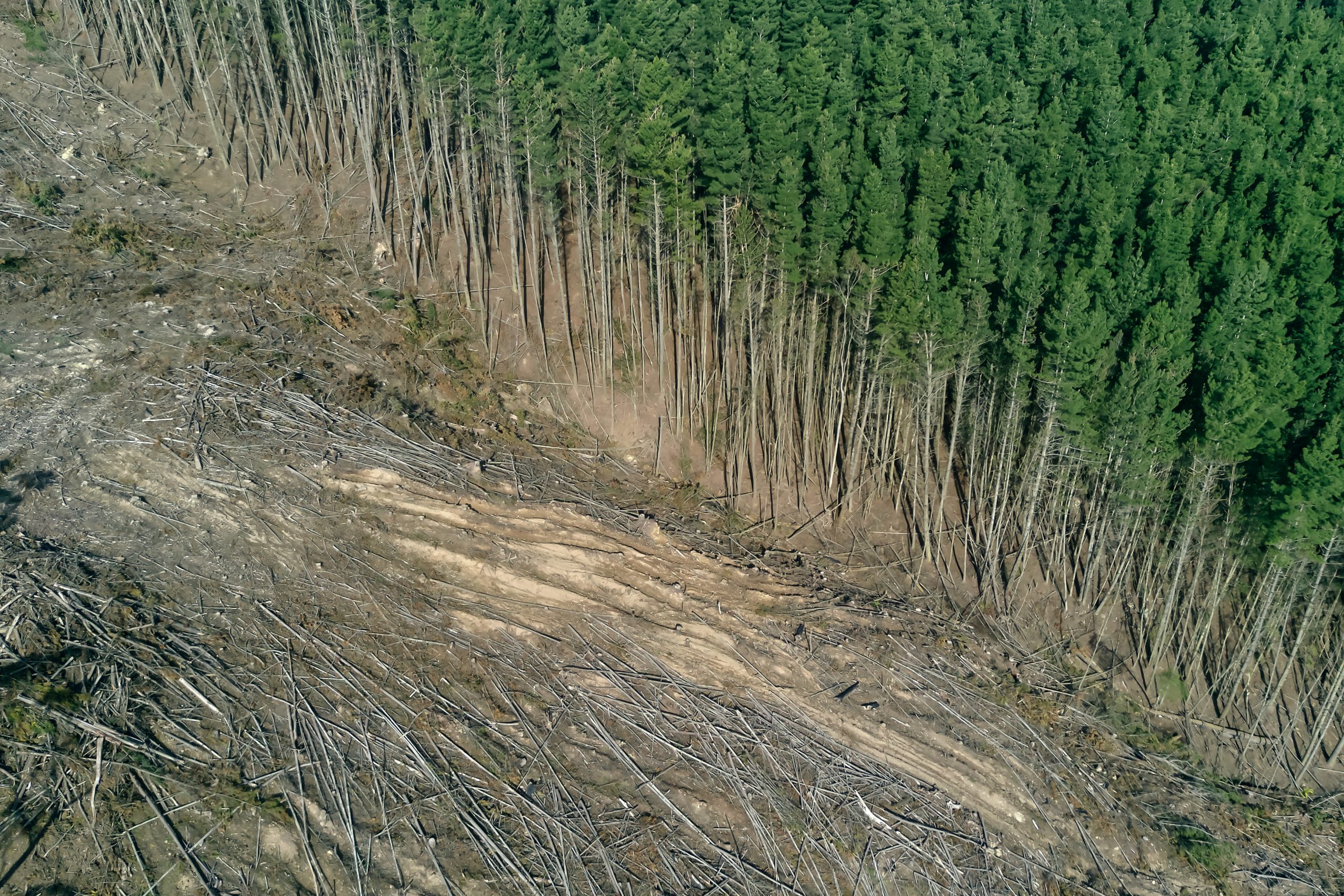
Here, the premise was based upon protection of the ecosystem that sustains the lives of every human being. Our ecosystems have not been sufficiently protected. This is made evident by the widespread, unconscionable deforestation that endangers the lives of indigenous peoples or that becomes a catalyst of modern-day outbreaks, the excessive release of greenhouse gases into the atmosphere that perpetuates the impacts of climate change, the dumping of poisonous chemicals in rivers that downstream communities depend on, or highly polluting mining activities that endanger human, animal, and plant lives.

During the formation of the Rome Statute, crimes against the environment was considered and discussed amongst twelve other crimes. Although it was not called ecocide then, the crime was described as “wilful and severe damage to the environment”. Unfortunately, after some internal debate amongst states, the crime was excluded from the final draft without a vote. The only semblance of ecocide in the Rome Statute exists in Article 8(2)(b)(iv) under war crimes. No one has ever been charged under this provision.

Conclusion

Persons at the highest level of the structure within both government and corporate structures should be held to a higher duty of care standard when it comes to the environment. By introducing accountability for ecocide, a crime of international concern, we may be able to curtail the impacts of humanitarian crises with environmental origins because then we would have the required diligence or policing, prioritization of capacity, investigation-led data and judicial enforcement. Otherwise, decisions taken at the highest levels can cumulatively and through a series of related events, lead to dire crises such as COVID-19 and climate emergencies. The current global economic model is unsustainable and will continue to harm our ecosystems unless the crime of ecocide is introduced to complement the toothless MEAs.

Recognizing the crime of ecocide not only “prevents”, but will dictate how well we “respond” to future environmental-humanitarian crises and from there ensure the best chance to fully “recover”. It is hard law in its highest form. The introduction of the crime of ecocide parallel to soft international law can send a strong signal that man-made activities that are extensive and damaging to the environment can no longer be tolerated and as such will bolster currently weak environmental governance. Preemptive governmental responses can then be planned to minimize inevitable losses in the economy, lives, and nature. As aptly put by the UN’s chief of biodiversity, “if we don’t take care of nature, it will take care of us.” Calls for the crime of ecocide have come from environmental movements such as Extinction Rebellion, Greta Thunberg, Pope Francis, Dr. Jane Goodall, groups of indigenous people in the Amazon, scholars, celebrities, royalties, and even countries like France, Belgium, the Maldives, and Vanuatu.

COVID-19 is a humanitarian tragedy that has crippled the world’s economy, everyday life and killed too many innocent people. The mechanisms that were in place failed to deploy preemptively and thus effectively prevent a global pandemic. Related crises like the climate and ecological crises have shown to have the same crippling effect and should be prevented at all cost. The crime of ecocide is a legal avenue that will ensure the best chance of survival for the most vulnerable and can encourage positive and much-needed shifts multilaterally.

Isn’t it about time to create a legally binding duty of care towards the Earth?

***

The “Stop Ecocide: Change the Law” campaign that Polly Higgins started advocates for the international recognition of ecocide as a fifth atrocity crime, at par with war crimes, crimes against humanity, genocide, and crime of aggression. Since her passing in April 2019, a team of eco-warriors close to her have been carrying on the advocacy campaign, working to mobilize people on the ground as well as working with the highest level of decision making: governments worldwide. Over the course of 2020, the campaign has gained much political traction and at the time of writing, an expert drafting panel co-chaired by Prof. Philippe Sands QC and Dior Fall Sow is working on the legal definition of ecocide. The ecocide campaign is also made in collaboration with Harvard Law School students on a research project on an amendment of the Rome Statute to include the crime of ecocide.

[*] Shirleen represents Stop Ecocide Foundation as their legal/diplomatic focal point for the Pacific. She has nearly ten years of advocacy experience working for NGOs and was featured in Vogue (Spain) in 2020 as one of seven female environmentalists to watch. Shirleen is also involved in a sub-group chaired by the co-deputies of the expert drafting panel on ecocide.

[hr gap=”30″]

More articles from the series:
[hr gap=”30″]
Content, Online Scholarship, Perspectives

If the Shoe Fits, Wear it (and Codify It as a Crime Against the Environment)

Editorial note: This article is part of a series of blog posts on critical subject-matters for the progressive development and codification of International Criminal Law. 

By: Anthony Abato

The student advocates’ report on environmental crimes in The Future of International Accountability is a very important contribution to the decades-old campaign to criminalize harm to the environment under international law. As the students have highlighted, that campaign experienced a renaissance in 1991 with the International Law Commission’s Draft Code of Crimes Against the Peace and Security of Mankind. In the Draft Code, the Commission considered “wilfully caus[ing] or order[ing] the causing of widespread, long-term and severe damage to the natural environment” as a new, autonomous crime.[2] Christian Tomuschat, member of the Commission, prepared a report on this proposal.[3] Before setting out to write this blog, I read his report and reflected on the arduous task that advocates have had since the concept of an international criminal law of the environment was introduced.  It is my intention to consider some of the challenges advocates have faced and to discuss why the campaign for environmental crimes may have lost its place in a policymaker’s agenda.

[hr gap=”15″]

At the time of his report, Mr. Tomuschat was an academic with many publications on the subject of human rights in the German language. Mr Tomuschat’s report was colored with his experience as a human rights advocate, and it was calibrated very carefully to his audience. Cleverly, he focused his report on demonstrating that causing harm to the environment met the criteria that had been generally identified as characterizing crimes against the peace and security of mankind. He identified “seriousness” as one of the important criteria, which could be deduced either from the nature of the act itself or from the magnitude of its effects.[4] He then illustrated brilliantly the “seriousness” of environmental damage and the need for a prohibition at the international level.

However, as Mr. Tomuschat noted in his report, the Special Rapporteur’s view was that governments showed a lack of support for the proposal to include a separate provision on environmental crimes. The Special Rapporteur himself indicated that the time was not yet ripe to go beyond the framework developed at Nuremberg, and he recommended deleting the provision. Despite its persuasive force and its appeal to reason, common sense, and emotion, Mr. Tomuschat’s report did not succeed. The draft provision on crimes against the environment was deleted in whole, and the drafting committee was tasked only with including damage to the environment as a war crime.[5] After many modifications, the draft Code became the language of the founding treaty of the International Criminal Court. Therein, environmental damage is subsumed under war crimes committed during international armed conflict, and it is not recognized as an autonomous crime.[6]

Nevertheless, Mr. Tomsuchat’s report helped to develop the dialogue regarding a full-scale prohibition of environmental crimes because it recognized that the campaign will not be won only by wielding astonishing facts and figures. In spite of the quantifiable loss of ecosystems and species, it is clear from Mr. Tomuschat’s assessment of the opposition voiced during the negotiations of the draft Code that governments were not at the time comfortable with the “seriousness” that may be posed by threats to the environment. After his report, and subsequent to the completion of the Code, similar concerns have been voiced over the years in the United Nations (“UN”) General Assembly and by states’ delegates during the travaux préparatoires for the Statute of the International Criminal Court (“ICC”).

Indeed, only “serious” crimes are prosecuted at the international level. The clever advocate will succeed in unshackling harm to the environment from the laws of international armed conflict only once the international community is convinced that it is by its nature serious enough to warrant full-scale criminal prohibition.[7] A prepared and diligent advocate must directly address this deficit by demonstrating that crimes against the environment are like other autonomous international crimes in that i) they affect certain accepted humanitarian interests (things of value that the international community has decided to preserve) and ii) they carry a certain moral opprobrium.

As to the former, there is now consensus within the international community that certain humanitarian interests are worthy of the full-scale protection of penal law. Criminal law applicable during armed conflict protects civilians, prisoners of war, humanitarian aid personnel, and child soldiers, for example. Irrespective of armed conflict, the law against genocide protects against the destruction of national, racial, ethnic, and religious groups capable of being so defined, and the prohibition of crimes against humanity protects against the persecution of virtually any identifiable group. The consensus within the international community also extends to certain things, in addition to groups. Religious buildings, cultural monuments and institutions, hospitals, and civilian property are protected by penal law applicable during armed conflict. Finally, albeit slightly less tangible, state sovereignty is protected by the prohibition of the crime of aggression.

The Preamble to the Statute of the ICC affirms that infringements upon the groups or things mentioned above may constitute the most serious crimes of concern to the international community as a whole. It cites the need for a permanent international criminal court in part “for the sake of future generations.” But international criminal law still has not expressly acknowledged that many of the same humanitarian and state interests are confronted when human beings inflict severe damage to the natural world. Like the acts committed during a campaign of genocide or persecution, crimes against the environment have the potential to cause the destruction of groups expressly protected by international criminal law. For example, environmental degradation disproportionately affects groups such as indigenous and tribal peoples and agrarian societies. Climate change impinges upon the sovereignty of island nations and coastal communities,[8] and its long-term effects disproportionately threaten today’s youth.[9] Lawsuits for contribution to climate change have been launched by classes of children, farmers, and fishermen, and on behalf of cities and whole political regions.[10]

Thus, policymakers need not look any further than the values expressed in the Statute of the ICC itself to be convinced of the importance of environmental conservation. And if the concern for such groups and things was somewhat abstract and unrealized at the time of Mr. Tomuschat’s report, it has become increasingly more concrete with the decades of cooperation and enforcement that have followed. So much of the budget of member states and the Trust Fund for Victims has been put towards the preservation of indigenous and tribal communities, youth education and development, and natural resource infrastructure. Moreover, so much prosecutorial capital has been invested in crimes directed at ethnic communities. For their part, environmental advocates have the opportunity to rally the support of humanitarian organizations and NGOs already interested in international justice and reparations for vulnerable groups.

Indeed, if at the time of Mr. Tomuschat’s report there was an apparent discomfort felt among policymakers regarding the relationship between environmental degradation and humanitarian interests, that discomfort has been eased. There is an emerging recognition within the international community that the effects of environmental damage are not unlike those of other international crimes. One of the key similarities is inherent in the prohibition of crimes against humanity, which recognizes that certain outrages against personal dignity must be prevented irrespective of whether they take place during armed conflict. The effects of environmental damage are not unlike those of crimes against humanity in this regard. They directly concern fundamental individual rights. There is a growing body of international human rights jurisprudence affirming that the effects of prolonged environmental degradation may violate the right to life as protected by human rights conventions. In particular, the Inter-American Court of Human Rights has determined that the conditions required for a decent life include adequate access to water, food, and health. These conditions have a significant impact on the right to a decent existence and the basic conditions for the exercise of other human rights.[11] There is also a close relationship between the right to life and the right to personal integrity, and human intervention in the natural world may violate both fundamental rights.

Environmental advocates must capitalize on this development by spelling out the link between the right to a healthy environment and access to justice for the victims of environmental harm.[12] It is perplexing, given the human rights norms at play, that human rights groups do not throw their support behind criminalizing harm to the environment at the international level.

But, finally, “seriousness” is not determined solely on the pervasiveness of damage. The international community has made the “seriousness” of a crime a more relativistic assessment, with a view to seeking out and bringing to justice individuals who would otherwise enjoy impunity. Corruption, greed, and aggression at the highest levels of the state and societal apparatus create a sense of injustice and powerlessness felt by ordinary people. And we have countenanced intervention in the affairs of a sovereign state almost invariably when that state has surrendered its jurisdiction or is otherwise not in a position to take sufficient action against the powerful and corrupt perpetrator. These prevailing circumstances underpin the concept of “impunity” expressed in the Statute of the ICC, and they are a prerequisite for an international crime. In the campaign to make crimes against the environment part of the arsenal of full-scale international crimes, it is imperative that policymakers appreciate the perniciousness of the underlying misconduct. And it is the role of the advocate to demonstrate that such misdeeds are morally reprehensible.

Corruption, greed, and aggressive force are at the heart of the destruction of our natural environment,[13] and there is growing recognition of the moral bankruptcy suffered by the individuals behind such misconduct. The student advocates’ assessment of the current landscape demonstrates that perpetrators can no longer hide behind a color of right or a business motive, but are criminals in the eyes of the international community. Countless multilateral instruments call on states to criminalize various forms of harm to the environment.[14] The Council of the European Union (“EU”) has, in the Directive on the Protection of the Environment through Criminal Law, identified the need for criminal penalties for transborder environmental offenses that reflect a “social disapproval of a qualitatively different nature compared to administrative penalties or a compensation mechanism under civil law.”[15] Severe punitive damage awards in U.S. lawsuits involving environmental torts implicitly demonstrate the need not only for compensation but also for behavior modification and punishment. The case can and must be made that impunity abounds, and this warrants a collective response.

As recently as one year ago, one could still have found a sense of apathy in the general public regarding the importance of a collective response to the degradation and abuse of our natural world. The Covid-19 pandemic has no doubt created a renewed sense of awareness about the mutual interdependence of governments. Some have very astutely pointed out that the current health crisis that we face foreshadows the future climate crisis, and there are very close parallels between the two in the need for cooperation and enforcement of preventative measures.[16] There should be no doubt now that our survival as a species depends on such cooperation and collective action. But equally, we have been forced to take stock of the importance of societal norms and rules and the effect that nonconformance can have on our fellow citizens. For those who may feel outrage when they read the headlines about individuals who are not keeping their distance, taking unnecessary risks, and even demonstrating against public safety measures—this outrage is a result of an expectation that individuals act responsibly and cooperate to prevent harm to the wider community.

There has never been a better time to talk about the moral responsibility of individuals to preserve the environment for future generations. Just as we wonder whether our neighbor will receive a penalty for breaking quarantine and putting the community at risk, we should also expect our neighbor who dumps toxic waste and contributes to the destruction of the planet’s ecosystems to be shamed and penalized. This moment must be seized by advocates for environmental crimes before our focus once again shifts inwards and our attention is consumed by some domestic high-profile sex scandal or murder trial.

[hr gap=”15″]

At present, the volume of scientific research is immense and the international community of scientists is clear on the effects of climate change and loss of species. But there is a chasm that exists between the scientific research and the international community of criminal lawyers and policymakers. Advocacy needs to recognize the skepticism held by these latter groups and cater to their interests if there is to be any success in persuading them to adopt new, collective measures. It is unacceptable that since Mr. Tomuschat’s 1996 report, discussions about criminalizing harm to the environment have not taken place at a high level. Almost 25 years later, the environment is still novel, on the lips only of progressives and visionaries. Activists are not power wielding policymakers, but leaders of poorly-funded, “fringe” NGOs. The debates about criminalizing environmental damage are not central to UNGA and ICC governance agendas, but rather, take place at side events and student conferences.

As the Harvard student advocates have revealed in their research, there has been a palpable change in societal attitudes towards the environment and its degradation over the last few decades. The criminalization of environmental harm at the international level represents a logical, incremental step, carried by the tune of the larger environmental movement. Criminalization at the international level would represent merely an expression of the norms already held. The bottleneck is at the policy-making level, and in response, the focus of the campaign must now shift from research to advocacy.

[hr gap=”30″]

[1] The views expressed herein are those of the author alone and do not necessarily reflect the views of the International Criminal Court. The author would like to thank the following individuals who, as students at Harvard Law School contributed to the research and drafting of this blog: Justin Fishman, Samantha Lint, Emma Broches, Celeste Kmiotek, Matthew Farrell, and Jung Min (Jasmine) Shin.

[2] Int’l Law Comm’n, Draft Code of Crimes Against the Peace and Security of Mankind, at 9 (1996).

[3] Christian Tomuschat (Member of the Commission), Document on Crimes Against the Environment, U.N. Doc. ILC (XLVII)/DC/CRD.3 (Mar. 1996).

[4] Id. at ¶14.

[5] A. Gauger et al., University of London, Hum. Rts. Consortium, Ecocide is the Missing 5th Crime Against Peace 10 (2013).

[6] As the student’s report points out, there is already consensus within the international community that attacks against the environment are prohibited by international criminal law provided that i) the damage is long term, widespread and severe, ii) the damage occurs in the course of an international armed conflict, and iii) the attack against the natural environment is intentional.

[7] “Full scale” prohibition, hereinafter, refers to crimes that occur in the context of conflicts not of an international character and in peace time.

[8] H. E. John H. Licht (Ambassador of the Republic of Vanuatu to the European Union), General Debate of the 18th Session of the Assembly of States Parties to the Rome Statute of the International Criminal Court, at 3, (Dec. 2–7, 2019), https://asp.icc-cpi.int/iccdocs/asp_docs/ASP18/GD.VAN.2.12.pdf.

[9] See Juliana v. United States, 947 F.3d 1159, 1175 (9th Cir. 2020) (Though unsuccessful in securing standing, the youth Plaintiffs in Juliana v. United States made a “compelling case that action is needed.”).

[10] Umair Irfan, Pay Attention to the Growing Wave of Climate Change Lawsuits, Vox (June 4, 2019, 11:13AM), https://www.vox.com/energy-and-environment/2019/2/22/17140166/climate-change-lawsuit-exxon-juliana-liability-kids.

[11] The Environment and Human Rights, Advisory Opinion OC-23/17, Inter-Am. Ct. H.R. (ser. A) No. 23, ¶ 109 (Nov. 15, 2017).

[12] See U.N. Dept. of Econ. and Soc. Aff., Sustainable Development Goal 16, https://sdgs.un.org/goals/goal16.

[13] To combat wildlife and forest crime, for example, the UN Office on Drugs and Crime has organized training and education specifically to stamp out corruption and strengthen member States’ tools for law enforcement. See, e.g., U.N. Off. on Drugs & Crime, Scaling Back Corruption: A Guide on Addressing Corruption for Wildlife Management Authorities (2019), https://www.unodc.org/documents/corruption/Publications/2019/19-08373_Scaling_Back_Corruption_ebook.pdf; U.N. Off. on Drugs & Crime, Rotten Fish: A Guide on Addressing Corruption in the Fisheries Sector (2019), https://www.unodc.org/documents/Rotten_Fish.pdf.

[14] Des écocrimes à l’écocide: le droit penal au secours de l’environnement 31 (Laurent Neyret ed., 2015).

[15] Council Directive 2008/99, 2008 O.J. (L 328) (EC).

[16] See Renee Cho, What Can We Learn from COVID-19 to Help with Climate Change, State of the Planet (Mar. 26, 2020), https://blogs.ei.columbia.edu/2020/03/26/covid-19-lessons-climate-change/.

[hr gap=”30″]

More articles from the series:
[hr gap=”30″]
Content, Online Scholarship, Perspectives

ICC Personal Jurisdiction on Corporations for Criminal Liability and/or Civil Liability for Reparations

Editorial note: This article is part of a series of blog posts on critical subject-matters for the progressive development and codification of International Criminal Law. 

By: Juan Pablo Calderon Meza[1]

It is no longer surprising to find influential corporate actors involved in different human rights violations around the world. Nonetheless, corporate actors rarely face justice for those acts. The international fora in charge of enforcing human rights      exclusively have jurisdiction over states, although      states may be liable for the acts of non-state agents.[2] Yet, this implies a gap in the possibility to hold corporations directly accountable for human rights violations before an international human rights court. And even when those violations may amount to crimes for which individuals and corporations could be investigated domestically, often times, when it comes to corporations operating transnationally—multinational corporations (“MNCs”)—both the “host” and “home” states may be unwilling and/or unable to investigate them and their affiliated individuals—also known as industrialists. For one, host states may not have the capacity or may actually be involved in the crimes.[3]  For the other, home states may not see the need to test the scope of their extraterritorial jurisdiction for the activities of their corporations or nationals abroad.[4] MNCs thus benefit from this gap.

1. Closing the Gap at the ICC: the Chiquita Case

The International Criminal Court (“ICC”” or “Court”), with the mandate to “put an end to impunity” for perpetrators of the most serious crimes,[5] could close the gap by investigating industrialists. Article 25(1) of the Rome Statute restricts the personal jurisdiction of the ICC to natural persons. However, Article 25(1) does not prevent investigation and prosecution of industrialists for their role in directly or accessorily participating, as per Article 25(3), in crimes under ICC jurisdiction. This would be in keeping with the post-Nuremberg precedent of Zyklon B, where the accused were agents of the company that supplied poison gas to the Nazi concentration camps.[6] The accused in that case held different positions in the company—Tesch was the owner and Weinbacher was the second in the chain of command, while Drosihn was merely a technician.[7] The court acquitted Drosihn,[8] and held both Tesch and Weinbacher liable after hearing the Judge Advocate’s reasoning that knowledge of the use given to the gas, together with a position to influence or prevent the transfer of gas, were the main criteria to assess liability.[9] The Judge Advocate highlighted that Tesch and Weinbacher were “both competent business men, were sensitive about admitting that they knew at the relevant time of the size of the deliveries of poison gas to Auschwitz.”[10]

At the ICC, the Office of the Prosecutor (“OTP”) has hinted at possibilities to investigate and prosecute industrialists. In its “Policy Paper on Case Selection and Prioritisation,” the OTP noted that it would prioritize the investigation and selection of cases whose manner of commission and impact may include crimes affecting vulnerable communities, by grabbing their land and/or destroying the environment.[11] Moreover, the OTP has included crimes allegedly committed by, inter alios, industrialists within its preliminary examination in Colombia. In its 2012 report, the OTP noted that the Autodefensas Unidas de Colombia (“AUC”) allegedly committed crimes against humanity in Colombia.[12] In 2017, the OTP received an Article 15(2) communication from the Harvard Law School’s International Human Rights Clinic, reporting that some executives from Chiquita Brands International (“Chiquita”) approved payments that Chiquita’s Colombian branch made to the AUC from 1997 through 2004.[13] It reveals memoranda of Chiquita indicating that an executive believed the payments were, in his own words, the “[c]ost of doing business in Colombia.”[14] The communication further reports that when alerted to the mass crimes to which the payments were contributing, one of the executives said, “Just let them sue us, come after us.”[15] In its 2018 report on preliminary examinations, the OTP noted within its examination of Colombia, the domestic investigation into 13 executives of Chiquita and its subsidiary, Banadex.[16] The OTP also referred to investigations on other industries that supported the AUC, for “contributions of cattle breeders, flour makers, merchants and some businessmen allegedly linked to the sugar industry operating in Colombia.”[17] In its 2019 report, it observed that the indictment against 10 out the 13 Chiquita executives was confirmed.[18] The OTP continued to follow up the Chiquita investigation in its 2020 report.[19]

It is alleged that some of the Chiquita executives who have been left off the investigation, and thus off the hook, are not Colombians but precisely foreigners who had power of decision.[20] The question is thus who of the Chiquita executives, who are under investigation, as well as those who are not under investigation, had both knowledge of the crimes and decision-making power.

Cases such as Chiquita pose the question whether the factors leading corporate executives to be involved in mass crimes, putting profit over people’s lives, are rather structural within some corporations. If that is the case, prosecuting an industrialist might have the following effects: (i) if convicted and imprisoned, the executive would be incapacitated, and (ii) this could deter further executives from similarly making wrong decisions. Instead, they would resign and leave the corporation. Yet, the structure will continue and while some might too prefer to resign, another person will eventually be promoted to make the same wrongdoings. In addition to the prosecution of industrialists, either domestically or before the ICC, incapacitation or rehabilitation on a more collective level within the corporation would be an effective intervention to prevent industrialists from engaging in criminal activities again and again. To that end, individual liability could be complemented with corporate liability.

2. Rome Statute Travaux Préparatoires on Corporate Liability

The travaux préparatoires of the Rome Statute show that the original wording of Article 25 would have allowed prosecution of corporations as well as individuals. Article 17(5)–(6) of the Working Group on General Principles of Criminal Law’s draft of April 1, 1998  included personal jurisdiction over legal persons, other than states “when the crimes committed were committed on behalf of such legal persons or by their agencies or representatives.”[21]  It added that “criminal responsibility of legal persons shall not exclude the criminal responsibility of natural persons who are perpetrators or accomplices in the same crimes.”[22] Article 23(5)–(6) of the draft of July 3, 1998 placed the necessary condition for corporations to be tried only if the natural person who controls the legal person is convicted and the Prosecutor included in the charges against that natural person that he/she was in control of the legal person and acted under “consent” of the latter.[23]  This would have allowed the prosecution of both industrialists and MNCs.

However, paragraphs (5) and (6) were not included in the final wording of Article 25. Drafters such as Ambassador Scheffer notes that some delegations indicated that their jurisdictions lacked legislation on criminal liability of legal persons, thereby having a barrier to prosecute them domestically as per the complementarity principle.[24] Ambassador Per Saland, who was the Chairman of this discussion during the Rome Conference, noted that “[t]ime was running out” to include corporate liability within the Rome Statute.[25]

3. Momentum to Amend the Rome Statute to Include Corporate Liability

Today, the international community may be prepared to address this proposal. The concerns over lack of domestic legislation on corporate accountability to fulfil the complementary obligations to investigate and prosecute domestically may have been attenuated. Different jurisdictions currently provide for criminal liability of corporations under domestic law.[26] In recent years, corporate liability has been included in various criminal codes[27], and a civil claims to collect damages from corporate actors have also been incorporated in some jurisdictions.[28] As indicated by the International Commission of Jurists, “[i]n the majority of those jurisdictions that already recognize the potential criminal responsibility of companies, companies can be held responsible for […] crimes under international law.”[29] Additionally, civil society and states have shown their interest in regulating corporate accountability in the international level. In 2011, the United Nations adopted the Guiding Principles on Business and Human Rights,[30] and in 2014, the Human Rights Council established a working group to create an international legally binding instrument on business and human rights.[31] With these changes in the international policymaking community, it is time to reconsider corporate accountability at the ICC.

a. Amendments to Incorporate Criminal Liability of Corporations

The Rome Statute could be amended according to the proposals of the Rome Conference. That is, Article 25 could be amended to incorporate paragraphs (5) and (6) of the draft of July 3, 1998.[32]

Alternatively, Ambassador David Scheffer has made the following proposal to amend Article 25 of the Rome Statute:

Amend Article 25(1) to read: ‘The Court shall have jurisdiction over natural and juridical persons pursuant to this Statute.’

Amend the second sentence of Article 1 to read: ‘It shall be a permanent institution and shall have the power to exercise its jurisdiction over natural and juridical persons for the most serious crimes of international concern, as referred to in this Statute, and shall be complementary to national criminal jurisdictions. Any use of ‘person’ or ‘persons’ or the ‘accused’ in this Statute shall mean a natural or juridical person unless the text connotes an exclusive usage.’

Either way would provide the necessary provisions to prosecute corporations in addition to industrialists. The political will required to achieve such an overhaul of the Rome Statute would admittedly be considerable but not impossible to obtain.

b. Alternative Amendment to Incorporate Civil Liability of Corporations

The draft of April 1, 1998 indicated that there was a middle ground as to the divergence regarding criminal liability of corporations:[33]

Some delegations hold the view that providing for only the civil or administrative responsibility/liability of legal persons could provide a middle ground. This avenue, however, has not been thoroughly discussed. Some delegations, who favour the inclusion of legal persons, hold the view that this expression should be extended to organizations lacking legal status.[34]

It is the time to explore this possibility. Inspired in the partie civile system,[35] victims could implead corporations in reparations proceedings against convicted industrialists.[36] This would require that Articles 75 and 77 of the Rome Statute be amended.

Article 75(2) could be amended as follows:

2. The Court may make an order directly against a convicted person specifying appropriate reparations to, or in respect of, victims, including restitution, compensation and rehabilitation. If the convicted person is a member of a group of persons as provided for in Article 25(3)(c)-(d) or an organization as provided for in Article 7(3)(a), the victims of the crime may attach civil claims for damages against that organization or group of persons. Where appropriate, the Court may order that the award for reparations be made through the Trust Fund provided for in article 79. (New language emphasized)[37]

Additionally, Article 77(2) could be modified to include the corporation’s vicarious liability for civil damages, in addition to fines levied on individuals, as follows:

In addition to imprisonment, the Court may order:

(a) A fine under the criteria provided for in the Rules of Procedure and Evidence;

(b) A forfeiture of proceeds, property and assets derived directly or indirectly from that crime, without prejudice to the rights of bona fide third parties.

(c) In a case where the victims have attached a civil claim for damages against an organization, damages are to be paid by the organization to the victims, directly or through the Trust Fund as provided for in Article 79. (New language emphasized)[38]

4. If No Amendment is Possible, the Victims, the TFV, and Even the Convicted Person Could Try Novel Avenues to Seek Contribution for Reparations from Liable Corporate Actors

Lastly, if none of the alternative amendments seem to have any reception among states, the victims, the TFV, and the convicted person could explore novel possibilities to seek contribution from corporate actors who have acted as co-perpetrators and accessories.

a. Impleading Corporate Actors to Appear in Reparations at the ICC

Although it has never been tried, Rule 94(1) of the Rules of Procedure and Evidence (“Rules”) does not prevent a victim to name accessory corporate actors in their request for reparations, so that the Court, under Rule 94(2), “ask the Registrar to provide notification of the request to the person or persons named in the request or identified in the charges and, to the extent possible, to any interested persons.” Corporate actors could be called as impleaders named in the request. Likewise, in proceedings started under the Court’s motion, the Court could call corporate actors as impleaders, considering that Rule 95(1) provides that the Court “shall ask the Registrar to provide notification of its intention to the person or persons against whom the Court is considering making a determination.”

Certainly, neither rule limits the interpretation of the terms “person or persons named in the request” and “person or persons against whom the Court is considering making a determination” to natural persons, let alone to the convicted person. Either the victims in their request or the Court on its own motion could thus call companies or, at the very least, industrialists to appear as impleaders in the reparations proceedings. This would of course require that their liability as contributors to the harm caused by the crimes can be proved. The victims could do so to secure that the payment of the award against the person convicted be paid by either the convicted person or the corporate actors so impleaded.

b. Seeking Contribution of Corporate Actors at Local Courts

Another possibility that has not yet been tried either is to seek contribution from corporate actors that are jointly liable for the harm caused by the crimes of which the convicted person is liable. It is a common rule in several jurisdictions that a party who is held jointly liable to pay the entirety of the award can seek contributory damages from other liable parties. As Judge Simma found in the ICJ case Oil Platforms case, the principle of joint liability for multiple tortfeasors is a general principle of law.[39] Several jurisdictions furthermore provide that a party who is held jointly liable to pay the entirety of the award can seek contributory damages from other liable parties. On the basis of domestic legislation from 24 jurisdictions, Professor Alford notes, “It is the very general rule that if a tortfeasor’s behaviour is held to be a cause of the victim’s harm, the tortfeasor is liable to pay for all of the harm so caused, notwithstanding that there was a concurrent cause of that harm and that another is responsible for that cause.”[40] According to Professor J. E. Noyes and Professor B. D. Smith, principles preventing unjust enrichment across jurisdictions explain that “the availability of contribution does make a system of joint and several liability more palatable.”[41]

Although the forum to seek contributory damages from tortfeasors would be the domestic courts that have jurisdiction over the other liable parties, either the convicted person or eventually the TFV could seek contribution from corporate actors, corporations, and/or industrialists, that contributed to the harm caused by the crimes. In the case of the convicted person, he or she could seek contribution from other liable individuals or corporations. As for the TFV, in cases where the convicted person lacks funds, the reparations order is made against the convicted person but the TFV disburses money to pay the award.[42] Having done so, the TFV could subrogate and seek contribution from the liable corporate actors that also participated in the harm caused by the crimes.

In fact, judging from the TFV’s submissions, it does not seem to oppose the idea to subrogate for the money it pays to the victims. In support of Victims V01’s appeal in Lubanga, the TFV submitted in Lubanga that it “reiterates its legal opinion that a reparations order has to be directed against the convicted person regardless of his or her financial situation” and that it “plays only an intermediary role to implement the order against the convicted person.”[43] Importantly, the TFV noted that an order against the convicted person “remains liable even if reparations were advanced by the Trust Fund” and did not discard the possibility that, “even at a later stage, the convicted person fulfils this part of the Court’s order,” serving reconciliation purposes.[44] The Appeals Chamber observed:

In cases where the convicted person is unable to immediately comply with an order for reparations for reasons of indigence, the Appeals Chamber agrees with the parties and participants’ submissions that were made before the Trial Chamber, namely that the Trust Fund may advance its ‘other resources’ pursuant to regulation 56 of the Regulations of the Trust Fund, but such intervention does not exonerate the convicted person from liability. The convicted person remains liable and must reimburse the Trust Fund.[45]

In situations where companies are involved in crimes for which the convicted person was held liable for reparations but was declared indigent or has not paid the award, the TFV could pay and thus subrogate to seek payment from co-perpetrators or accessories. This could be feasible through civil litigation in fora with personal jurisdiction over the companies or their assets. The fact that this subrogation action exists or is actually filed might furthermore serve as collateral for the TFV to seek funding, and it might give some security to people who want to invest in the TFV.

5. Conclusion

In an effort to close many of the loopholes that have allowed some corporate actors to escape accountability for their role in atrocity crimes, this blog summarizes proposals that have been the fruit of research conducted by Harvard Law School’s student organization, Advocates for Human Rights. For one, corporate accountability could be implemented through statutory amendments providing for criminal and/or civil liability of corporations. In any event, if the time had not yet come to table such amendments, the Rome Statute and the Rules could be interpreted to allow the victims or the convicted person to implead corporate actors, both natural and juridical persons who have co-perpetrated or contributed to the crimes, to appear as impleaders in the reparations stage at the ICC. Otherwise, with a reparations order issued against the convicted person in such cases, the convicted person himself could seek contribution from jointly corporate actors before local courts. In cases where the TFV pays for the reparations award, it could subrogate on the convicted person’s rights to seek contribution from such jointly liable corporate actors.

In memoriam of Felipe Michelini, former Head of the Board of Directors of the Trust Fund, it is worth recalling the words he told the students who were working on this project when they told him about his novel ideas. As per the student’s notes of their interview with Mr. Michelini, he “mentions that the history of the ICC itself is defined by pushback from States’ but ‘the environment around the Court has changed significantly in recent years.”[46] Regarding corporate accountability, “Michelini reasons that in order to improve corporate accountability, the Court could interpret “organizations” in the category of crimes against humanity as including corporations.”[47] Similarly, Professor Nerlich is of the view that “language of Article 7(2)(a) ICC Statute appears to be sufficiently broad to encompass any type of organization and therefore could also cover business corporations.”[48]

While there may still be some skeptical views regarding corporate liability at the ICC, one thing is true: There is an emerging interest on the matter and a lot to be discussed. This blog and the abovementioned project want to resume that conversation.

[hr gap=”30″]

[1] The views expressed herein are those of the author alone and do not reflect the views of the International Criminal Court. The author would like to thank the following individuals who, as students at Harvard Law School, contributed to the research supporting the footnotes of this blog: Johanna Lee, Rebecca Tweedie, Celeste Kmiotek, Samantha Lint, Emma Broches, Isha Jain, Stephanie Gullo, Matthew Farrell, and Jung Min (Jasmine) Shin.

[2] See, e.g., UN Human Rights Committee, General Comment No. 31: the Nature of the General Legal Obligation Imposed on States Parties to the Covenant, UN Doc. CCPR/C/21/Rev.1/Add.13, 26 May 2004, ¶¶ 8, 10.

[3] Martin-Joe Ezeudu, Revisiting Corporate Violations of Human Rights in Nigeria’s Niger Delta Region: Canvassing the Potential Role of the International Criminal Court, 11 Afr. Hum. Rts. L.J. 23, 27 (2011).

[4] Id. at 44.

[5] Rome Statute, UN Doc. A/CONF. 183/9; 37 ILM 1002 (1998); 2187 UNTS 90, Preamble.

[6] Case No. 9, the Zyklon B, Case Trial of Bruno Tesch and Two Others [1946] Gr. Brit. Military 93.

[7] Id. at 102.

[8] In the case of Drosihn, the Judge Advocate questioned “whether there was any evidence that he was in a position either to influence the transfer of gas to Auschwitz or to prevent it.”  In the Judge Advocate’s view, “[i]f he were not in such a position, no knowledge of the use to which the gas was being put could make him guilty.” Id. at 102.

[9] Id. at 101–102.

[10] Id. at 102.

[11] See Int’l Crim. Court, The Off. of the Prosecutor, Policy Paper on Case Selection and Prioritisation, ¶¶ 40–41 (2016).

[12] See Int’l Crim. Court, The Off. of the Prosecutor, Situation in Colombia: Interim Report ¶¶ 25, 51 (Nov. 2012).

[13] Harvard Law School’s International Human Rights Clinic et al., The Contribution of Chiquita Corporate Officials to Crimes Against Humanity in Colombia. Article 15 Communication to the International Criminal Court ¶ 1 (May 2017).

[14] Id. ¶¶ 21–43.

[15] In re Chiquita Brands International, Inc., Report of the Special Litigation Committee Chiquita Brands International Inc., February 2009, p. 89, fn. 132. See also In re Chiquita Brands International, Inc., Order Granting In Part & Denying In Part Defendant’s Joint Consolidated Motion to Dismiss (1 June 2016) pp. 11–12 (citing Cyrus Freidheim on the “just let them sue us sentiment”).

[16] Int’l Crim. Court, The Off. of the Prosecutor, Report on Preliminary Examinations Activities, ¶ 151 (Dec. 2018): “During the reporting period, the AGO initiated proceedings against businessmen allegedly involved in financing the operations of paramilitary groups operating in different regions of Colombia since at least 2002. In August 2018, the AGO issued an indictment (‘resolución de acusación’) against 13 executives and employees of the company Chiquita brands (Banadex and Banacol branches), for the alleged agreement (‘concierto para delinquir’) to finance the paramilitary front ‘Arlex Hurtado’ which operated in the regions of Urabá and Santa Marta from 1996 to 2004”. See also Int’l Crim. Court, The Off. of the Prosecutor, Report on Preliminary Examinations Activities, ¶ 98 (Dec. 2019) (the OTP further noted that “former executives and employees of the company Chiquita brands (Banadex and Banacol branches), accused by the AGO in August 2018 for the alleged agreement (‘concierto para delinquir’) to finance the paramilitary front ‘Arlex Hurtado’, requested the annulment of the accusation. The Deputy Attorney General rejected the request and continued to pursue the accusation against 10 former employees after considering that there was sufficient evidence to call them for trial.”).

[17] Int’l Crim. Court, The Off. of the Prosecutor, Report on Preliminary Examinations Activities, ¶ 151 (Dec. 2018).

[18] Int’l Crim. Court, The Off. of the Prosecutor, Report on Preliminary Examinations Activities, ¶ 98 (Dec. 2019).

[19] Int’l Crim. Court, The Off. of the Prosecutor, Report on Preliminary Examinations Activities, ¶ 98 Id. at ¶¶ 114-15 (Dec. 2020).

[20] While the Colombian investigation includes two non-Colombian executives, there are allegations against a total of 37 non-Colombian executives, in civil litigation in the United States, where plaintiffs seek civil rather than criminal liability. See In re Chiquita Brands International, Inc., Order granting in part and denying in part defendant’s joint consolidated motion to dismiss, 1 June 2016, p. 7, fn. 10, pp. 8-15; In re Chiquita Brands International, Inc., Plaintiffs’ notice of information supplementing their opposition to defendants’ motion to dismiss on the basis of forum non conveniens, 9 March 2016, No. 08-MD-019116, pp. 5-12; In Re: Chiquita Brands Int’l, Inc., Declaration of Michael Evans, 9 March, 2016, No. 08-MD-019116, paras 6(b), 7(f).

[21] Int’l Crim. Court, Text of the Draft Statute for the International Criminal Court, U.N. Doc. A/AC.249/1998/CRP.9 (1998) at 2. See also U.N. Diplomatic Conference of Plenipotentiaries on the Establishment of an International Criminal Court, Report of the Preparatory Committee on the Establishment of an International Criminal Court. Addendum, U.N. Doc. A/CONF-183/2/Add-1 (Apr. 14, 1998) ¶ 49.

[22] Id.

[23] U.N. Diplomatic Conference of Plenipotentiaries on the Establishment of an International Criminal Court, Working Group on General Principles of Criminal Law, U.N. Doc. A/CONF.183/C.1/WGGP/L.5/Rev.2 (July 3, 1998).

[24] See David Scheffer and Caroline Kaeb, The Five Levels of CSR Compliance: The Resiliency of Corporate Liability under the Alien Tort Statute and the Case for a Counterattack Strategy in Compliance Theory, 29 Berkeley J. Int’l L. 334, 380 (2011).

[25] Roy S. Lee, The International Criminal Court: The Making of the Rome Statute 199 (1999).

[26] See e.g. Law on the Responsibility of Associations (Verbandsverantwortlichkeitsgesetz) of 2005 (Austria); Belgian Criminal Code, Article 5 (Belgium); Law 20.393 (2009) (Chile); Chinese Criminal Code, Article 30 (China); Act No. 151/03 on the Responsibility of Legal Persons for Criminal Offences (Croatia); Guatemalan Criminal Code, Article 38 (Guatemala); Belgian Criminal Code, Article 5 (Belgium); Chinese Criminal Code, Article 30 (China); Criminal Code of Cyprus, Section 4 (Cyprus); Criminal Procedure Law, Sections 46 (1) (b), 72, 95 (Cyprus); Act No. 418/2011 Coll., on Corporate Criminal Liability, §§ 2-3 (Czech Republic); French Criminal Code, Article 121-2 (France); Guatemalan Criminal Code, Article 38 (Guatemala); Hungarian Criminal Code, Section 70(1)(8), (3) (Hungary); Act CIV of 2001 on Criminal Measures Applicable to Legal Persons (Hungary); General Criminal Code of Iceland, Article 19 a-c (Iceland); Law No. 23 of 1997 (Law Concerning Environmental Management), Articles I (24) and 41-48 (Indonesia); Law 31 of 1999 (Eradication of the Criminal Act of Corruption), Article I (3) (Indonesia); Act Preventing Escape of Capital to Foreign Countries (1932) (Japan); Securities and Exchange Act of 2002, Article 207 (Japan); Corporation Tax Act of 2013, Article 163 (1) (Japan); Unfair Competition Prevention Act 2005, Article 22(I) (Japan); Lebanese Criminal Code, Article 210 (Lebanon); Lithuanian Criminal Code, Art. 20 (Lithuania); Moroccan Criminal Code, Article 127 (Morocco); Dutch Criminal Code, Article 51 (Netherlands); Norwegian Civil Penal Code, Chapter 3 a, Article 48 a-b (Norway); Portuguese Criminal Code, Article 11(2) (Portugal); Act on Preventing Bribery of Foreign Public Officials in International Business Transactions of 1998, Art. 4 (Republic of Korea); Romanian Criminal Code, Article 45 (1) (Romania); Senegalese Penal Code (Senegal), Article 163 bis; Spanish Criminal Code, Article 31 (Spain); Swiss Criminal Code, Article 102 (Switzerland); Syrian Criminal Code (Syria), Article 209 (2); United Arab Emirates Penal Code, Article 65 (United Arab Emirates).

[27] David Scheffer, Is the Presumption of Corporate Impunity Dead, 50 Case W. Res. J. Int’l L. 213, 217 (2018), https://scholarlycommons.law.case.edu/jil/vol50/iss1/12/.

[28] Caroline Kaeb, The Shifting Sands of Corporate Liability Under International Criminal Law, 49 Geo. Wash. Int’l L. Rev. 351, 396 (2016).

[29] Int’l Comm. of Jurists, Corporate Complicity and Legal Accountability Volume 2: Criminal Law and International Crimes 57 (2008). See also Danielle Olson, Corporate Complicity in Human Rights Violations under International Criminal Law, 1 DePaul Int’l Hum. Rts. L.J. 1, 5 (2015). But see Wolfgang Kaleck & Miriam Saage-Maaß. Corporate Accountability for Human Rights Violations Amounting to International Crimes,” 8 J. of Int’l Crim. Just. 699, 701 (2010) (“even though criminal liability of corporations has been introduced in several national jurisdictions, there are no known criminal law cases regarding international crimes against corporations as such”); Int’l Comm. of Jurists, Corporate Complicity and Legal Accountability Volume 1: Facing the Facts and Charting a Legal Path 4, 6 (2008) (“as national legal systems incorporate international criminal law into their domestic legislation, they often include legal entities”). Note that in the United States, certain circuits have ruled that corporations can be sued civilly under international law for human rights violations, causing European human rights organizations to pursue similar avenues. See W. Kaleck & M. Saage-Maaß, Corporate Accountability for Human Rights Violations Amounting to International Crimes, 8 J. Int’l Crim. Just. 699, 701 (2010); A. Walker, The Hidden Flaw in Kiobel: Under the Alien Tort Statute the mens rea standard for corporate aiding and abetting is knowledge, 10 Nw. U. J. Int’l Hum. Rts. 119, 123 (2011); Kiobel v. Royal Dutch Petroleum Co., 621 F.3d 111 (2d Cir. 2010).

[30] Office of the High Commissioner for Human Rights, Guiding Principles on Business and Human Rights, https://www.ohchr.org/Documents/Publications/GuidingPrinciplesBusinessHR_EN.pdf  (last visited Apr. 12, 2021).

[31] Office of the High Commissioner for Human Rights, Open-ended Intergovernmental Working Group on Transnational Corporations and Other Business Enterprises with Respect to Human Rights, https://www.ohchr.org/en/hrbodies/hrc/wgtranscorp/pages/igwgontnc.aspx (last visited Apr. 12, 2021).

[32] Int’l Crim. Court, Text of the Draft Statute for the International Criminal Court, U.N. Doc. A/AC.249/1998/CRP.9 (1998), p. 2. See also UNDCPICC, Report of the Preparatory Committee on the Establishment of an International Criminal Court. Addendum, 14 April 1998, A/CONF-183/2/Add-1, para. 49.

[33] Int’l Crim. Court, Text of the Draft Statute for the International Criminal Court, U.N. Doc. A/AC.249/1998/CRP.9 (1998) at fn. 3. See also U.N. Diplomatic Conference of Plenipotentiaries on the Establishment of an International Criminal Court, Report of the Preparatory Committee on the Establishment of an International Criminal Court. Addendum, U.N. Doc. A/CONF-183/2/Add-1 (Apr. 14, 1998) ¶ 49.

[34] Id.

[35] Caroline Kaeb, A New Penalty Structure for Corporate Involvement in Atrocity Crimes: about Prosecutors and Monitors, 57 Harv. Int’l J. 20, 21 (2016).

[36]Id. at 21–22.

[37] Rome Statute art. 75, UN Doc. A/CONF. 183/9; 37 ILM 1002 (1998); The reference to “organizations” in Article 7 has been the subject of some scrutiny by international lawyers, as it suggests that Crimes Against Humanity can be committed by non-state actors, which may facilitate jurisdiction over some business practices in international criminal law. See Volker Nerlich, Core Crimes and Transnational Business Corporations, 8 J. Int’l Crim. Just. 895, 904 (2010). Furthermore, Mr Felipe Michelini “reasons that in order to improve corporate accountability, the Court could interpret “organizations” in the category of crimes against humanity as including corporations”. See Interview conducted on January 2019, p. 9 (in file with the author).

[38] See Rome Statute art. 77, UN Doc. A/CONF. 183/9; 37 ILM 1002 (1998).

[39] In the ICJ case Oil Platforms case, Judge Bruno Simma concluded that the principle of joint and several liability “can properly be regarded as a ‘general principle of law’” (ICJ, Oil Platforms (Iran v. U.S.), 6 November 2003, Separate Opinion of Judge Simma, 2003 I.C.J. 161, at 358). To address the issue whether Iran had violated its treaty obligations by laying mines during the Iran-Iraq War, whereas the U.S. could not prove whether Iran or Iraq had laid the mines, Judge Simma found the principle of joint liability in different domestic laws addressing the problem of multiple tortfeasors: “I have engaged in some research in comparative law to see whether anything resembling a ‘general principle of law’ […] can be developed from solutions arrived at in domestic law to come to terms with the problem of multiple tortfeasors. I submit that we find ourselves here in what I would call a textbook situation calling for such an exercise in legal analogy….[R]esearch into various common law jurisdictions as well as French, Swiss and German tort law indicates that the question has been taken up and solved by these legal systems with a consistency that is striking.” (ICJ, Oil Platforms (Iran v. U.S.), 6 November 2003, Separate Opinion of Judge Simma, 2003 I.C.J. 161, at 354).

[40] R. Alford, Apportioning Responsibility Among Joint Tortfeasors for International Law Violations, 38 Pepp. L. Rev. 233, 241 (2011) (referring to applicable law in Austria, Belgium, Canada, China, the Czech Republic, Denmark, England, Finland, France, Germany, Ireland, Israel, Italy, Netherlands, New Zealand, Poland, Portugal, Scotland, South Africa, Spain, Sweden, Switzerland, and the United States); see also T. Weir, Complex Liabilities, in 11 International Encyclopedia of Comparative Law §§ 1, 79-104 (André Tunc ed., 2013).

[41] J. E. Noyes & B. D. Smith, State Responsibility and the Principle of Joint and Several Liability, 13 Yale J. Int’l. L. 255, 256 (1988). It is also pointed out that ‘the conditions to its availability vary significantly. For example, in different legal systems, contribution may derive from wide-ranging sources, including subrogation, independent right, or statutory terms. In some systems, contribution may not be available unless a claim has formally been reduced to judgment, or unless all the joint tortfeasors have been named in the complaint or the judgment. In addition, the amount or availability of contribution varies among legal systems when one tortfeasor has settled with the plaintiff.’ J. E. Noyes & B. D. Smith, State Responsibility and the Principle of Joint and Several Liability, 13 Yale J. Int’l. L. 2, 256 (1988) (referring to T. Weir, Complex Liabilities, in 11 International Encyclopedia of Comparative Law §§ 109-140 (André Tunc ed., 2013).

[42] Prosecutor v. Thomas Lubanga Dyilo, Case No. ICC-01/04-01/06-3129, ¶ 115 (Mar. 3, 2015).

[43] Prosecutor v. Thomas Lubanga Dyilo, Observations of the Trust Fund for Victims on the Appeals Against Trial Chamber I’s “Decision Establishing the Principles and Procedures to be Applied to Reparations,” Case No. ICC-01/04-01/06-3009, ¶ 107 (Apr. 8, 2013) (“The Trust Fund reiterates its legal opinion that a reparations order has to be directed against the convicted person regardless of his or her financial situation. That the Trust Fund plays only an intermediary role to implement the order against the convicted person is very clearly stated in the French version of Article 75 (2), second sentence: ‘Le cas échéant la Cour peut decider que l’indeminité accordée à titre de réparation est versée par l’intermédiaire du Fonds visé à l’article 79’”.). See also id. at ¶ 108 (“If the Trust Fund plays the role of an intermediary, an order for reparations is the prerequisite for the implementation through the Trust Fund and this order must be made against somebody, which necessarily means in the current setting of the Statute, an order against the convicted person.”).

[44] See id. at ¶ 110 (“The Trust Fund observes that the high significance of a Court decision should not be underestimated for both the convicted person and the victim. Civil liability for reparations is of high symbolic value for victims, because this clearly sends the message that the convicted person is obliged to remedy the harm caused. A reparations order by the Court would also mobilise State Parties to give effect to the order. Beside a conviction and a punishment, it is also of high importance to have the burden of a reparations order rest on the shoulders of the convicted person, reminding him or her that the reparations order was issued against him or her, and that he or she remains liable even if reparations were advanced by the Trust Fund. It could also be a measure which aims at future reconciliation if, even at a later stage, the convicted person fulfils this part of the Court’s order.”).

[45] Prosecutor v. Thomas Lubanga Dyilo, Judgment on the Appeals Against the “Decision Establishing the Principles and Procedures to be Applied to Reparations” of 7 August 2012 with AMENDED Order for Reparations (Annex A) and Public Annexes 1 and 2, Case No. ICC-01/04-01/06-3129, ¶ 115 (Mar. 3, 2015).

[46] Interview conducted on January 2019, p. 3 (in file with the author).

[47] Interviews conducted on January 2019, p. 9 (in file with the author).

[48] See Volker Nerlich, Core Crimes and Transnational Business Corporations, 8 J. Int’l Crim. Just. 895, 904 (2010).

[hr gap=”30″]

More articles from the series:
[hr gap=”30″]

Content, Online Scholarship, Perspectives

Taking Down One of the World’s Largest and More Profitable Criminal Industries: Trafficking in Persons (Part II: Libya and Central America)

Editorial note: This article is part of a series of blog posts on critical subject-matters for the progressive development and codification of International Criminal Law. 

By: Frederika Schweighoferova[1]

Due to its limited jurisdiction over certain international crimes, the International Criminal Court (“ICC”) tends to be overlooked as an adequate tool to address many contemporary crises which entail grave violation of human rights. One such situation is the rampant crime of human trafficking, further exacerbated by the current migration crisis. Despite the efforts to curb it, the crime of human trafficking continues to represent the third largest and most profitable crime industry worldwide. While states parties to the United Nations (“UN”) Trafficking Convention are under the obligation to investigate and prosecute the crime, the current statistics worldwide demonstrate the insufficient capacity of domestic jurisdiction to address it effectively.

The ICC was created to fight against the impunity of those responsible for the gravest crimes when states are unable or unwilling to do so. While many consider trafficking in persons as being already encompassed under enslavement or other inhumane acts as crimes against humanity as defined in the Rome Statute, the crime of human trafficking contains certain elements that would fall short of the existing framework. Therefore, amending the Rome Statute to include human trafficking as either a separate underlying act of crimes against humanity, or a stand-alone crime, might be necessary to prosecute the crime effectively.

This article intends to demonstrate, by describing crimes committed against migrants in Libya and in the Americas, the need to, first, prioritize the prosecution of trafficking in persons under the existing Rome Statute framework and, second, to amend the Rome Statute to allow its complete and effective prosecution.

1. Prosecuting Human Trafficking under the Existing Rome Statute Framework

1.1. Prevailing Chaos in Libya and Vulnerable Migrants in Hands of Criminals

Irregular migrants and asylum seekers experience unimaginable suffering and exploitation during their time in Libya, waiting to be smuggled to Europe, or being locked up in detention centers under terrible conditions before being deported. The International Organization for Migration (“IOM”) estimated that as of 2019, there are between 700,000 and 1,000,000 migrants in the country. As the latest joint report of the United Nations Support Mission in Libya (“UNSMIL”) and Office of the High Commissioner for Human Rights (“OHCHR”) on the situation of migrants in Libya highlights:

 “From the moment they step onto Libyan soil, they become vulnerable to unlawful killings, torture and other ill-treatment, arbitrary detention and unlawful deprivation of liberty, rape and other forms of sexual and gender-based violence, slavery and forced labour, extortion and exploitation by both State and non-State actors.”

The tragic consequences of detaining tens of thousands of refugees and migrants in an escalating war zone were demonstrated on July 2, 2019, where over 40 migrants and refugees were killed and around 80 injured following an airstrike on the Tajoura refugee detention center outside Tripoli. However, this is not the only danger these vulnerable persons are exposed to.

As a consequence of bilateral agreements concluded among Libya, the European Union, and Italy, followed by a series of measures taken unilaterally by the Italian government, departure attempts from the Libyan shores to Italy substantially decreased throughout 2018. While the number of migrants decreased, the death rate has increased sharply as traffickers have been taking more risk to avoid the reinforced surveillance exercised by the Libyan coastguards. This has led to exacerbation of the vulnerable position of migrants who have become fully dependent on the will of the smugglers. Armed groups and traffickers, reportedly working in tandem with the Libyan Government of National Accord (“GNA”) and Libyan Coast Guard, have seized this opportunity to make profits, turning the smuggling of migrants into one of the most profitable businesses in this region. As reported in an award-winning undercover report by CNN, one of the direct consequences was the creation of “slave auctions” in Libya.

Even though Libya is a party to the UN Trafficking Protocol, and therefore is obliged to prevent and combat trafficking in human beings, the lack of the institutional capacity and resources makes it difficult to pursue. However, even with more effort and resources allocated to this problem, with the alleged involvement of state officials as accomplices to this crime, it appears highly unlikely that a solution to this dehumanizing practice can feasibly be achieved at the domestic level.

1.2. ICC as a Tool to Address Accountability

Given the gravity and wide scale of human trafficking of migrants in Libya and the unlikelihood of addressing these crimes at the domestic level, the solution should be sought internationally. While Libya is not a party to the Rome Statute, the treaty that established the ICC, the UN Security Council referred the situation in Libya to the ICC granting it jurisdiction over crimes under the Rome Statute committed in Libya’s territory or by its nationals from February 15, 2011 onwards.

In May 2017, the ICC Prosecutor, Fatou Bensouda, indicated that the ICC may investigate migrant-related crimes in Libya. In her remarks to the UN Security Council, she noted that “[her] Office continues to collect and analyze information relating to serious and widespread crimes allegedly committed against migrants attempting to transit through Libya” including trafficking in persons, and “is carefully examining the feasibility” of opening an investigation into these crimes.

Nevertheless, despite the arrest warrants issued by the ICC for crimes against humanity and war crimes committed in Libya, there is no—at least no publicly known—arrest warrant relating to Libya’s migrant-related crimes.

1.3. Human Trafficking in Libya as a Crime against Humanity

The traffickers in Libya, including state officials who have allegedly aided and been involved in the illegal enterprise, could fall under the ICC jurisdiction.

Acts of trafficking against migrants in Libya have been long reported. Already in 2009, the U.S. Department of State’s human rights report on Libya indicated that approximately 1% of the estimated 1.5 to 2 million foreign residents in Libya have been trafficked to the country for commercial sexual exploitation and forced labor purposes with the direct involvement of government officials in the process. Since then, crimes against migrants have been regularly reported by UN Special Rapporteurs, NGOs, as well as the U.S. Department of State (2017; 2018; 2019). While the total number of victims of the crimes has not been publicly available, it is estimated that in 2019, around 48,000 people were enslaved in Libya, while between 5,000 and 6,000 refugees and migrants are held arbitrarily in Libya’s detention centers under the authority of the Ministry of Interior. As such, the figures available show the systematic commission of the acts over many years. This demonstrates their regular recurrence and large-scale nature in terms of the number of victims, likely satisfying the criterion of both “widespread” or “systematic” as required by the chapeau of the crimes against humanity provision in the Rome Statute.

Large groups of civilians—migrants and refugees who have not been members of armed forces or other legitimate combatants—have been a primary target of the continuous and multiple commission of acts of human trafficking, likely satisfying the “attack against civilian population” element.

Further, if established that Libyan officials consistently committed or abetted crimes against migrants, it would also to satisfy the “state policy” requirement. Numerous reports have documented GNA state officials abusing migrants and cooperating with traffickers. In particular, UNSMIL and the ICC Office of the Prosecutor (“OTP”) have indicated the complicity of some state actors, including local officials, members of armed groups formally integrated into state institutions, and representatives of the Ministry of Interior and Ministry of Defense, in the smuggling or trafficking of migrants and refugees, as a means of enrichment through exploitation of and extortion from vulnerable migrants and refugees.

The available information therefore suggests that the “systematic or widespread attack directed against a civilian population” and the “policy” requirements are satisfied, given the involvement of state officials in the commission of the acts, which, as the following part explains, amount to underlying acts under Article 7, and were committed following a regular pattern at least since 2009.

The information collected by the ICC OTP, further corroborated by the UN Refugee Agency (“UNHCR”), and media indicates that the migrants have been subjected to torture, rape, sexual exploitation, slavery, forced labor, and unlawful imprisonment throughout their journeys in both official and unofficial detention centers. UNSMIL and OHCHR have well-documented the deplorable conditions migrants have faced in prisons and detention centers run by the Libyan Ministry of Interior, militia, and armed groups. In addition to subjecting migrants to grave human rights abuses, including forced labor, they have also helped traffickers gain access to migrants, who were then sold for forced labor or prostitution in the slave auctions. As such, several underlying acts under Article 7(1) of the Rome Statute could be brought in the absence of the existence of a separate crime of human trafficking.

The information available strongly indicates the existence of the required mens rea, i.e., the intent and knowledge of the crimes by the Libyan officials, militia, and armed groups committed either in the detention centers or once handed over to traffickers. The detainees give chilling testimonies of labelling the detention centers as “stores for smugglers.”

While a more thorough analysis is required, it appears that even if the ICC does not have jurisdiction over human trafficking, the crimes committed in the context of the Libyan situation include constitutive elements that are associated with the existing Rome Statute crimes, such as enslavement, unlawful imprisonment, torture, rape, and sexual slavery. Alternatively, the residual provision under the Rome Statute on “other inhumane acts,” which are acts that inflict “great suffering, or serious injury to body or to mental or physical health,” and are of a similar “character” as Article 7(1) acts, could be equally applied.

Despite the nonexistent material jurisdiction over human trafficking, the ICC OTP could prosecute Libyan officials as well as militia and armed groups, either as direct perpetrators or under the modes of liability of aiding and abetting, for the crimes connected to human trafficking in Libya under the existing Rome Statute framework.

2. Prosecuting Human Trafficking under the Amended Rome Statute Framework

2.1. Human Trafficking in Central America

Mexico and Northern Triangle—comprised of El Salvador, Guatemala, and Honduras have for decades accounted for one of the world’s highest homicide rates. To flee gang violence and poverty, it is estimated that every year, around 300,000-376,000 people leave Mexico to enter the United States and between 400,000500,000 people flee the Northern Triangle to endure a treacherous journey north through Mexico to the United States.

Victims tend to pay everything they have to a smuggler who promises them a better life in the United States. However, these smugglers, working directly with human traffickers as part of a mutually profitable business, hand them over to human trafficking networks, controlled by gangs, acting in collusion with state authorities, who force them into the forced prostitution or labor to pay off their debts for their journey north. All irregular migrants are at risk of abuse, but women and children—particularly unaccompanied children—are especially vulnerable.

Women and girls travelling north become subjected to exploitative labor, sexual exploitation, or begging, especially indigenous girls. There are estimates that for every reported case there are 30 hidden victims, which, according to the U.S. Department of State 2019 report, brings the estimated numbers of victims of human trafficking every year to 21,200 in Mexico, 11,130 in Guatemala, 2,200 in Honduras, and around 1,600 in El Salvador. In Mexico, the numbers have sharply increased in 2019 as a result of the controversial immigration policy, “Migrant Protection Protocols,” also called “Remain in Mexico,” implemented by the Trump administration. The policy requires asylum seekers to stay in Mexico until their court hearings in the United States, leaving them exposed to become easy prey for human traffickers and extortionists.

While states have acted to counter the trafficking through adoption of legislation and creation of designated institutions, they lack clear policies to address the crimes effectively, which is further exacerbated by the involvement of corrupt authorities in the commission of the crimes.

The next part will examine the practicality of prosecuting the above-mentioned crimes under a crime against humanity of human trafficking—if it existed under the Rome Statute—and as stand-alone crime under the Rome Statute, falling outside of the scope of crimes against humanity.

2.2. Human Trafficking in Central America as a Crime against Humanity

The above-mentioned crimes satisfy the previously listed requirements of an “attack against civilian population” given the multiple commission of acts of human trafficking against migrants who are not merely randomly selected individuals. Their magnitude, number of victims, and non-accidental repetition of similar criminal conduct on a regular basis would satisfy the requirements of “widespread or systematic.”

As stemming from the Rome Statute criterion of “state or organizational policy” requirement, crimes against humanity can be perpetrated by government forces, as well as by organized armed groups. Some criminal organizations in Mexico and Northern Triangle qualify as an “organization” under the Rome Statute due to their hierarchical structure, their control over territory, their capability to carry out widespread or systematic attack against civilians as well as having expressed an intention to launch such attacks, and having done so in fact (see OSJI, p. 89). Despite the governments’ genuine efforts to tackle the crimes, this element is further compounded by the involvement of some state authorities of Mexico in the commission of the crimes, demonstrating the organizations’ capability to control the territory, including, de facto, its state authorities.

Nevertheless, even if these chapeau elements of crimes against humanity might be satisfied, the shortcomings of effectively addressing human trafficking without amending the Rome Statute are demonstrated by the inability of covering all elements of the crimes committed. The crimes would only be limited to the prosecution under the crime of enslavement where the perpetrator exercised the right of ownership over the trafficked person, or in other way deprived the victims of their liberty. While most human trafficking may indeed satisfy this element, there are numerous situations where traffickers lure victims by abusing their vulnerable position without necessarily depriving them of liberty or exercising ownership over them. It is also unclear whether the brief Rome Statute reference to human trafficking would be sufficient to cover the exploitation purposes applicable in the present example—prostitution and forced labor.

For this reason, including a new act under Article 7 of the Rome Statute of human trafficking, which would follow the definition of the UN Trafficking Protocol, while still requiring the chapeau elements of crimes against humanity, would equip the ICC with the necessary tools to address the crimes committed by the organized networks.

However, much human trafficking is not committed by large organized networks, but rather by individual criminals or groups of criminals which would not reach the threshold of an organization under the Rome Statute. Consequently, these would not satisfy the requirement that an act must be committed pursuant to or in furtherance of an organizational policy. For this reason, a stand-alone crime under the Rome Statute, using the definition of the UN Trafficking Protocol, would offer the widest—and for the moment the only—legal avenue to investigate and prosecute human trafficking, irrespective of whether it satisfied the chapeau elements of crimes against humanity, in cases where states with primary jurisdiction would be unwilling or unable to do so genuinely.

Without the necessity of satisfying the chapeau elements of crimes against humanity, the ICC would dispose—as the only non-domestic judicial institution—of unique force to address these global and far-reaching crimes effectively and not only offer an appropriate remedy to victims of these crimes, but also to deter their future commission.

Conclusion

Both situations have demonstrated the need to explore a new mechanism to address the widespread crimes of human trafficking. The absence of effective responses at domestic and regional levels suggests the need to engage an international jurisdictional body to investigate and prosecute this widespread crime. Under the current international legal framework, the ICC represents the most viable option.

In Libya, given the continuing climate of impunity for crimes against migrants in Libya and the inability of Libyan authorities to address them, the ICC, even with certain material jurisdiction limitations, represents a viable mechanism to bring justice for victims and help to hold to account the state officials involved in human trafficking.

In the Americas, while the situation could satisfy the chapeau elements of crimes against humanity, the prosecution of the underlying crimes would be unsatisfactory under the existing Rome Statute framework. This could be partially remedied by adding a new underlying act under Article 7 of the Rome Statute of human trafficking, applicable to the crimes committed by organized criminal networks. However, to effectively address the multitude of human trafficking acts committed by criminals not reaching the organizational threshold, an inclusion of a stand-alone crime under the Rome Statute would represent the most practical and feasible solution.

The journey to such a development might still be far. Nevertheless, given the continuing glaring impunity enjoyed by human traffickers, these matters should be discussed with gravity and urgency to tackle the world’s third most profitable illegal business.

[1] Ms. Frederika Schweighoferova is a human rights lawyer from Slovakia, working at Parliamentarians for Global Action (PGA) as the Director of the Campaign for the Universality and Effectiveness of the Rome Statute of the International Criminal Court System and Senior Legal Officer of the International Law and Human Rights Programme.

[hr gap=”30″]

More articles from the series:
[hr gap=”30″]

Content, Online Scholarship, Perspectives

Taking Down One of the World’s Largest and More Profitable Criminal Industries: Trafficking in Persons (Part I)

Editorial note: This article is part of a series of blog posts on critical subject-matters for the progressive development and codification of International Criminal Law. 

By: Romina Morello[1] and Frederika Schweighoferova[2][*]

Human trafficking is one of the gravest violations of human rights that affects every country of the world. With annual profit as high as $150 billion, it represents the world’s third largest and most profitable crime industry after illicit drug and arms trafficking.

According to the International Labour Organization and the United Nations (“UN”) Migration Agency, in 2016 alone, over 40 million people were victims of “modern slavery.” To break it down, more than 25 million have been victims of forced labor, including forced labor exploitation, forced sexual exploitation of adults, commercial sexual exploitation of children, and state-imposed forced labor and over 15 million people were victims of forced marriage. Of this 40 million, the report estimates, 71% of victims of “modern slavery” are women and girls, and one in four victims is a child.

The most widely accepted definition of human trafficking is included in the 2003 UN Trafficking Protocol (“Trafficking Protocol”), adopted by 178 states. According to Article 3(a) of the Protocol, to constitute trafficking in persons, three basic elements need to be established: an action (“recruitment, transportation, transfer, harbouring or receipt of persons”) by certain means (“threat or use of force or other forms of coercion, of abduction, of fraud, of deception, of the abuse of power or of a position of vulnerability or of the giving or receiving of payments or benefits to achieve the consent of a person having control over another person”), for the purpose of exploitation (which “includes at a minimum, the exploitation of the prostitution of others or other forms of sexual exploitation, forced labour or services, slavery or practices similar to slavery, servitude or the removal of organs”).

This Protocol, which calls on states parties to establish policies to prevent and combat trafficking in persons, aims at creating consistency in domestic criminal systems around the world, rather than criminalizing the act internationally. However, the numbers given above indicate the insufficiency of the existing legal frameworks, and their enforcement, in curbing the crime effectively.

Under the current system, the only judicial body capable of adjudicating crimes beyond the remit of domestic jurisdictions is the International Criminal Court (“ICC”). While the crime of human trafficking is not criminalized under the Rome Statute, the founding treaty of the ICC, the inclusion of the crime could be warranted given the scale, gravity, and brutality of the crime.

This article explores the possibility of prosecuting human trafficking under (i) the current framework of the Rome Statute system; (ii) through amending the Rome Statute to include human trafficking as a separate underlying act of crimes against humanity, or (iii) through an amendment to the Rome Statute to include a new stand-alone core crime of human trafficking, as defined under the UN Trafficking Protocol.

1. “Premiers Responsables”: States

As a preliminary matter, before prosecution under any of the three avenues discussed in this article could take place at the ICC, the Court must first determine if it is able to exercise jurisdiction. As enshrined in paragraph 6 of the preamble of the Rome Statue, states have the primary duty to exercise jurisdiction over international crimes. Only when states are unable or unwilling to prosecute a crime can the ICC intervene. This is one of the core principles of the system created by the Rome Statute: the principle of complementarity.

As of February 2020, all but seven ICC states parties have ratified or signed the Trafficking Protocol, which requires states to adopt national legislation in line with the treaty so they can then prosecute human trafficking domestically. According to the 2018 Global Study on Trafficking in Persons from the UN Office on Drugs and Crime (“UNODC”), which covered 100 ICC states parties, most states have enacted human trafficking-related domestic legislation.

However, despite the increase in the adoption of comprehensive trafficking in persons in the domestic legislations in recent years and pronounced increasing trends in the numbers of convictions, many countries in Africa and Asia continue to have very low numbers of detection of victims and convictions for human trafficking. The inclusion of human trafficking as a new core crime under the Rome Statute would create individual responsibility independent of domestic legal systems and could serve not only as an additional prosecution channel, but also as a much-needed deterrent in light of the current climate of impunity.

2. Prosecuting Human Trafficking under Existing Provisions of the Rome Statute

Human trafficking is neither a core crime under the Rome Statute nor an underlying act under the existing core crimes: genocide, crimes against humanity, war crimes, and crime of aggression. The travaux préparatoires of the Rome Statute do not offer much insight into why human trafficking was not explicitly included in the Rome Statute. However,  Article 7 of the Rome Statute on crimes against humanity may be read as encompassing human trafficking, whether under enslavement or as other inhumane acts, two of the underlaying acts of crimes against humanity.

In order for an act to amount to a crime against humanity, it must meet the requirements included in the chapeau of its definition. That is, it must be part of a “systematic or widespread attack against the civilian population” done “pursuant to or in furtherance of a state or organizational policy.”

The term “widespread” has mainly a quantitative meaning referring to the scale of the attack or to the number of victims. It covers situations involving a multiplicity of victims, as a result of the cumulative effect of a series of inhumane acts or the singular effect of one inhumane act of extraordinary magnitude.  The term “systematic” refers to the “organised nature of the acts of violence and the improbability of their random occurrence.” An attack’s systematic nature can “often be expressed through patterns of crimes, in the sense of non- accidental repetition of similar criminal conduct on a regular basis.”

An attack under Article 7 of the Rome Statute does not have to be a military attack but can entail “a campaign or operation carried out against the civilian population,” “consist[ing] of a course of conduct involving multiple commission of acts referred to in article 7(1).” “Civilian population” refers to persons who are civilians, as opposed to members of armed forces and other legitimate combatants. The attack needs to be directed against the civilian population and not merely against randomly selected individuals.

The “state or organizational policy” requirement can be satisfied by circumstantial evidence showing that the “attack follow[ed] a regular pattern” and was not an “isolated act of violence.” The policy does not need to be formalized and it can be deducted from the “systematic” element.

a) Enslavement

Beyond the chapeau, one of the enumerated prohibited acts under Article 7 is the act of enslavement, defined in the Rome Statute as “the exercise of any or all of the powers attaching to the right of ownership over a person and includes the exercise of such power in the course of trafficking in persons, in particular women and children.” The essential element under this article is the existence of a right of ownership over the trafficked persons acquired “by purchasing, selling, lending or bartering such a person or persons, or by imposing on them a similar deprivation of liberty.”

Prosecuting human trafficking under the already existing crime of enslavement as crime against humanity would not require an amendment to the Rome Statute. However, despite presenting the most feasible way to prosecute human trafficking at the ICC at this moment, this option would require that the act of human trafficking complies with all the elements of the definition of crimes against humanity in addition to the elements of the crime of enslavement.

b) Other Inhumane Acts

Another potential provision under which to prosecute human trafficking under the Rome Statute is Article 7(1)(k): “other inhumane acts of a similar character intentionally causing great suffering, or serious injury to body or to mental or physical health.” This provision covers acts which are “of a character similar to any other act” referred to in Article 7(1) of the Rome Statute.

The classification of trafficking in human persons as inhumane clearly does not require further discussion. The serious social, psychological, and physical harm human trafficking victims suffer is of comparable gravity to other Article 7(1) acts.

c) Practical Implications

Despite the overlap of the existing Rome Statute provisions with the crime of human trafficking crime, the current legal framework is insufficient to effectively address most human trafficking crimes.

Using the underlying acts of crimes against humanity would limit the prosecution to human trafficking that takes place in the context of “widespread or systematic attack against civilians,” “pursuant to or in furtherance of a State or organizational policy.” Even when most trafficking is committed by criminal networks, these, while organized, may not meet the requirements of “organizational policy” developed by the ICC jurisprudence for organized groups:

(i) whether the group is under a responsible command, or has an established hierarchy; (ii) whether the group possesses, in fact, the means to carry out a widespread or systematic attack against a civilian population; (iii) whether the group exercises control over part of the territory of a state; (iv) whether the group has criminal activities against the civilian population as a primary purpose; (v) whether the group articulates, explicitly or implicitly, an intention to attack a civilian population; (vi) whether the group is part of a larger group, which fulfils some or all of the abovementioned criteria.

Such interpretation suggests that only high-level organized criminal networks de facto governing a part of state territory, may satisfy the element of “organizational policy.” As such, the trafficking groups which, although not reaching the “organizational policy” threshold are nevertheless capable of committing systematic or widespread attacks against a civilian population, would not be prosecutable under the existing Rome Statute provisions.

Despite the overlap of the crime of enslavement and other inhumane acts with human trafficking and the corresponding jurisprudence of the International Criminal Tribunal for the former Yugoslavia (“ICTY”) and regional courts, which have used the crime of enslavement against human traffickers, these crimes are insufficient to cover all elements defined in the Trafficking Protocol.

In particular, the definition of enslavement under the Rome Statute would only cover the prosecution of acts resulting in the enslavement of the victim—which forms only one of the purposes of exploitation under the Trafficking Protocol. This would exclude the ability to capture other forms of exploitation which do not entail the right of ownership or deprivation of liberty as they are done by, e.g., abusing power or victim’s vulnerable position.

Further, as stemming from the Trafficking Protocol definition, trafficking actually does not require the exercise of any powers of ownership over the trafficked person as required under the crime of enslavement. While trafficking can serve as one of the vehicles for the exercise of a power attaching to the right of ownership of the kind required to constitute enslavement, in many instances, it will not give rise to the power of ownership. For instance, this could encompass the transportation of individuals—by, e.g., deception or other means in case of adult victims—for a service amounting to exploitation. The conduct in question may—but also may not—amount to the control of someone’s movement and/or psychological control over an individual, yet the difference is a matter of degree and an assessment of a person as another’s “possession” and “exercise of ownership.” In the above example, it could not be determined the victim is “enslaved” at that stage. Obtaining someone’s consent—to be transported/recruited/harbored etc.—by fraud, deception, abuse of power or of a position of vulnerability, does not equate to “exercising ownership” or “enslaving the person.”

Another important distinction lies in the element of consent. Trafficking requires a proof of “means”—coercive circumstances to demonstrate the adult victims’ lack of consent, whereas the slave trade/enslavement does not require such proof. Consent is neither an element nor a defense to the slave trade.

While it could be argued that the residual provision of “other inhumane acts” could compensate for these shortcomings, it would be an imperfect solution to addressing this grave widespread crime to simply call it “other inhumane act” and not accord it the qualification as required. Naming a crime is an essential part of criminal law which not only gives it the force, but also offers legal certainty to the defendants and victims. Or else we would not need to have any specific underlying acts of crimes against humanity whatsoever.

Finally, the absence of certain elements under the existing Rome Statute provisions, which form an integral part of human trafficking, would also limit the prosecution’s options in terms of applicable modes of liabilities. In particular, the acts of recruitment, transportation, transfer, harboring, or receipt would likely only be prosecutable under alternative modes of indirect perpetration liability (ordering, soliciting, inducing, aiding, abetting, or otherwise assisting in the commission of the crime) or contribution liability (“in any other way contribut[ing] to the commission or attempted commission of such a crime by a group of persons acting with a common purpose”) rather than under direct (co-) perpetration of the human trafficking—simply because the crimes of enslavement or other inhumane acts do not include these acts within their elements. This could, therefore, lead to shorter sentences in case of adjudication of criminal liability, potentially limiting the deterrence effect of the ICC for these crucial parts of the crime of trafficking in persons.

3. Amendment to the Rome Statute

None of the existing international or regional human rights treaties addressing human trafficking create a mechanism to establish individual criminal responsibility. Adding human trafficking as a new crime under the Rome Statute would allow for a precise definition of the offense which international law seeks to address. The inclusion of human trafficking under the Rome Statute as defined in the UN Trafficking Protocol could be pursued in two ways: through adding an underlying act of human trafficking under the existing provision of crimes against humanity, or as a new Article 5 core crime.

The first option would already expand the material jurisdiction of the ICC to the elements that the crime of enslavement or other inhumane acts would not cover. While potentially more likely to be accepted by states parties, the disadvantage of opting for an amendment expanding the underlying acts of Article 7 of the Rome Statute to acts of human trafficking are, as explained above, glaring: prosecuting trafficking as a crime against humanity would require the satisfaction of the core crime’s chapeau elements, limiting the ICC jurisdiction to human trafficking committed in a widespread or systematic manner pursuant to or in furtherance of an organizational policy. This would, as a result, disregard the majority of the crimes as the organized groups would not reach the organization threshold criteria required by the Rome Statute.

For this reason, a stand-alone crime under the Rome Statute would offer the widest—and for the moment the only—international legal avenue to investigate and prosecute human trafficking not limited to the required elements of crimes against humanity.

Creating a new core crime would allow the Court to pursue specific, tailored cases without needing to jump through jurisdictional hurdles or to cherry-pick facts to fit the existing crimes. Prosecutions would address the multiple and diverse stages of the crime of human trafficking, tailored to the specific elements of the crime. This guidance will not only aid the Prosecutor in developing the case, but will allow focused and effective investigations that target the key individuals in trafficking operations, rather than individuals whose actions best match the current existing crimes.

Gang leaders and heads of criminal organizations could be prosecuted in the same manner that commanders and armed forces leaders may be, including through the principle of command responsibility. Given the publicity and exposure of proceedings at the ICC, such prosecutions could deter traffickers and end the prevailing impunity.

The definition of trafficking in persons enshrined in the UN Trafficking Protocol could serve as the basis for an amendment to the Rome Statute, with its specificities added to the Elements of Crimes. This definition has not only achieved almost universal acceptance, as mentioned above, but has also been transposed into the domestic legislation of many states parties to the Rome Statute.

4. Conclusion

Given the widespread commission of trafficking in human beings, further exacerbated by the reported government complicity in several countries and regions, it is imperative to continue contemplating innovative solutions to enforce accountability on traffickers. The ICC, while limited through its resources and capacity to change the trafficking in human being’s landscape, nonetheless has the potential to contribute meaningfully to bringing justice for trafficking victims.

Whether and how the ICC should get involved with prosecuting trafficking in persons is a question that requires continued reflection and engagement on behalf of states impacted by human trafficking. Amending the Rome Statute to include human trafficking as a crime would nevertheless be a first step to cope with the reality of modern slavery.

Given the gravity of the crime and the absence of any other criminal jurisdiction willing or able of ending the current impunity enjoyed by traffickers in the face of voluntary or involuntary inaction by states and regional bodies, the debate on whether to establish a direct role for the ICC in prosecuting human traffickers is not only highly anticipated, but also very foreseeable.

[*] The authors would like to thank the following individuals, who as students at Harvard Law School contributed to the research and drafting of this article: Katerina Simonova, Jung Min (Jasmine) Shin, Samantha Lint, Emma Broches, Chetna Beriwala, Janet (Ji Soo) Park, Rebekah Carey, Isha Jain, Stephanie Gullo, Alexia Tizzano, Fraciah Muringi Njoroge, Sondra Anton, Celeste Kmiotek, and Matthew Farrell.

[1] Ms. Romina Morello holds the position of Regional Legal Advisor for the Americas at International Committee of the Red Cross. She contributed to writing this article in her capacity of supervising attorney for Harvard Law School’s Advocates for Human Rights. The views expressed herein are those of the author’s alone and do not reflect the views of the International Committee of the Red Cross.

[2] Ms. Frederika Schweighoferova is a human rights lawyer from Slovakia, working at Parliamentarians for Global Action (PGA) as the Director of the Campaign for the Universality and Effectiveness of the Rome Statute of the International Criminal Court System and Senior Legal Officer of the International Law and Human Rights Programme.

[hr gap=”30″]

More articles from the series:

[hr gap=”30″]

Scroll to Top